360-Degree Symphonic Domes: Classical Concerts Meet Generative Art
Advertisements
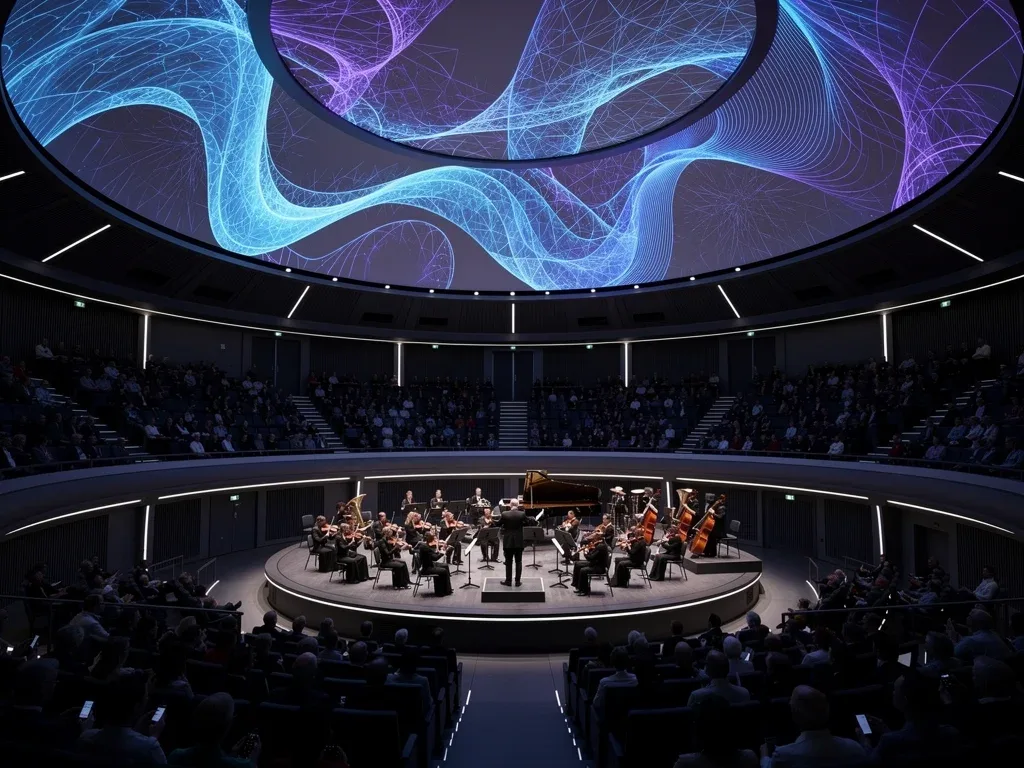
The emergence of 360-degree symphonic domes in 2026 has revolutionized classical concerts by seamlessly merging traditional orchestral performances with dynamic, live generative art, creating unparalleled immersive experiences for audiences worldwide.
In 2026, a groundbreaking innovation has transformed the landscape of live classical music: the emergence of 360-degree symphonic domes. These architectural and technological marvels are redefining how audiences experience orchestral performances, blending the rich tradition of classical compositions with the dynamic, ever-evolving world of live generative art. This fusion creates an immersive spectacle that engages every sense, drawing attendees into a multi-dimensional artistic journey unlike anything seen before.
The Dawn of Immersive Classical Experiences
The concept of a concert hall has evolved dramatically. No longer confined to static proscenium arches, the new 360-degree symphonic domes offer an all-encompassing environment where sound and vision intertwine seamlessly. This technological leap represents a significant shift from conventional concert experiences, providing a canvas for artists to explore new dimensions of expression.
These domes are not just venues; they are sophisticated ecosystems designed to optimize both acoustic purity and visual impact. Advanced projection mapping systems cover every inch of the interior surface, allowing generative art to flow, shift, and respond in real-time to the music being performed. This creates a symbiotic relationship where the visual narrative enhances the auditory one, and vice-versa.
Technological Pillars of the Dome
The success of these domes relies on several key technological advancements:
- High-Resolution Projection Systems: Multiple synchronized projectors create seamless, ultra-high-definition visuals across the entire dome surface.
- Spatial Audio Engineering: Advanced sound systems deliver pristine acoustics from every direction, enveloping the audience in a rich soundscape.
- Real-time Generative Art Algorithms: Sophisticated AI-driven software creates dynamic visual patterns that respond to musical parameters like tempo, pitch, and dynamics.
- Integrated Sensor Networks: Microphones and other sensors capture live performance data, feeding it directly into the generative art engines for instantaneous visual interpretation.
The integration of these technologies ensures that each performance within a 360-degree symphonic dome is a unique, unrepeatable event. The visuals are not pre-recorded; they are born in the moment, a direct consequence of the musicians' interpretations and the algorithms' creative responses. This constant evolution keeps audiences captivated and encourages repeat visits.
Ultimately, these domes are pushing the boundaries of what a classical concert can be. They are attracting new audiences who might have previously found classical music intimidating, by offering an accessible and visually stunning entry point. The immersive nature of these experiences fosters a deeper connection with the music, allowing listeners to perceive nuances and emotions amplified by the dynamic visual accompaniment.
Generative Art: A New Brushstroke for Classical Music
Generative art, at its core, is art created by an autonomous system. In the context of 360-degree symphonic domes, this system is intricately linked to the live performance. It's not merely a backdrop; it's a co-performer, interpreting the music's structure, emotion, and energy into breathtaking visual forms.
Imagine a crescendo in a Beethoven symphony manifesting as a swirling vortex of colors, or a delicate piano solo blossoming into intricate, fractal patterns. This real-time translation of sound into sight adds a profound layer of depth to the classical experience, making the abstract nature of music more tangible and relatable.
The algorithms behind this art are often trained on vast datasets of visual aesthetics and musical theory, allowing them to make intelligent, artistically coherent decisions. They can be programmed to evoke specific moods, respond to particular instruments, or even follow the narrative arc of a composition. This level of sophistication ensures that the visuals are always in harmony with the music, never distracting but always enhancing.
The Artist-Technologist Collaboration
Creating these experiences requires a unique collaboration between classical musicians, visual artists, and software engineers. Conductors and composers work closely with generative artists to define the aesthetic parameters and emotional responses desired for each piece. This interdisciplinary approach is fostering a new generation of creative professionals fluent in both artistic expression and technological innovation.
- Conductor's Vision: The conductor's interpretation of a piece heavily influences the generative art's behavior.
- Generative Artist's Code: Artists write and fine-tune algorithms to create specific visual effects and responses.
- Software Engineer's Infrastructure: Engineers build and maintain the robust systems that power the real-time projections and audio.
This collaborative environment is leading to entirely new forms of artistic expression, where the boundaries between disciplines blur. The resulting performances are not just concerts; they are multi-sensory narratives that engage the audience on intellectual, emotional, and aesthetic levels. The ephemeral nature of generative art ensures that each viewing is distinct, offering a fresh perspective on even the most well-known classical pieces.
The integration of generative art also provides an opportunity to reinterpret classical works for contemporary audiences. By adding a dynamic visual component, these domes make classical music more accessible and engaging, especially for younger generations who are accustomed to rich multimedia experiences. It’s a bridge between tradition and innovation, preserving the integrity of the music while presenting it in a novel and exciting way.
Architectural Marvels: Designing the Domes
The architecture of 360-degree symphonic domes is as innovative as the technology within them. These structures are designed from the ground up to provide optimal acoustic performance and a perfect canvas for immersive visuals. Their spherical or hemispherical shapes are not just aesthetically pleasing; they are acoustically ideal, minimizing echoes and distributing sound evenly throughout the space.
Materials science plays a crucial role in their construction. Advanced sound-absorbing and reflecting panels are strategically placed to fine-tune the acoustics, ensuring that every note from the orchestra is heard with crystal clarity. The internal surfaces are often made from specialized materials that maximize projection quality, preventing glare and distortion.
Key Design Principles
Several principles guide the design of these architectural wonders:
- Acoustic Precision: Every element is engineered to optimize sound propagation and absorption.
- Visual Continuity: Seamless, non-reflective surfaces ensure uninterrupted projection of generative art.
- Audience Comfort and Engagement: Seating arrangements are designed to offer optimal viewing angles and personal space within the immersive environment.
- Sustainable Construction: Many domes incorporate eco-friendly materials and energy-efficient systems.
The exterior of these domes often features striking, modern designs, making them iconic landmarks in their respective cities. They are not merely buildings but statements of artistic and technological ambition. Inside, the design prioritizes the audience experience, with comfortable seating that allows for hours of immersive enjoyment.
Beyond the technical specifications, the design also considers the psychological impact on the audience. The enclosed, enveloping space fosters a sense of intimacy and wonder, enhancing the emotional connection to the music and art. This holistic approach to design ensures that the 360-degree symphonic domes are more than just concert venues; they are transformative spaces for cultural engagement.
The thoughtful integration of design and function is what truly sets these domes apart. From the moment an audience member steps inside, they are transported to a different realm, where the physical boundaries of the space dissolve, leaving only the music and the art to guide their experience. This innovative architecture is foundational to the success of the new classical concert paradigm.
The Economic and Cultural Impact of Dome Concerts
The emergence of 360-degree symphonic domes has had a ripple effect, not only on the arts but also on local economies and cultural landscapes. These venues have become significant tourist attractions, drawing visitors who seek out unique and cutting-edge experiences. This influx of tourism boosts local businesses, from hospitality to retail.
Culturally, these domes are democratizing classical music. By presenting it in such an accessible and visually stunning format, they are attracting a more diverse audience, including younger demographics and individuals who might not typically attend traditional classical concerts. This expansion of the audience base is vital for the long-term sustainability and relevance of classical music.
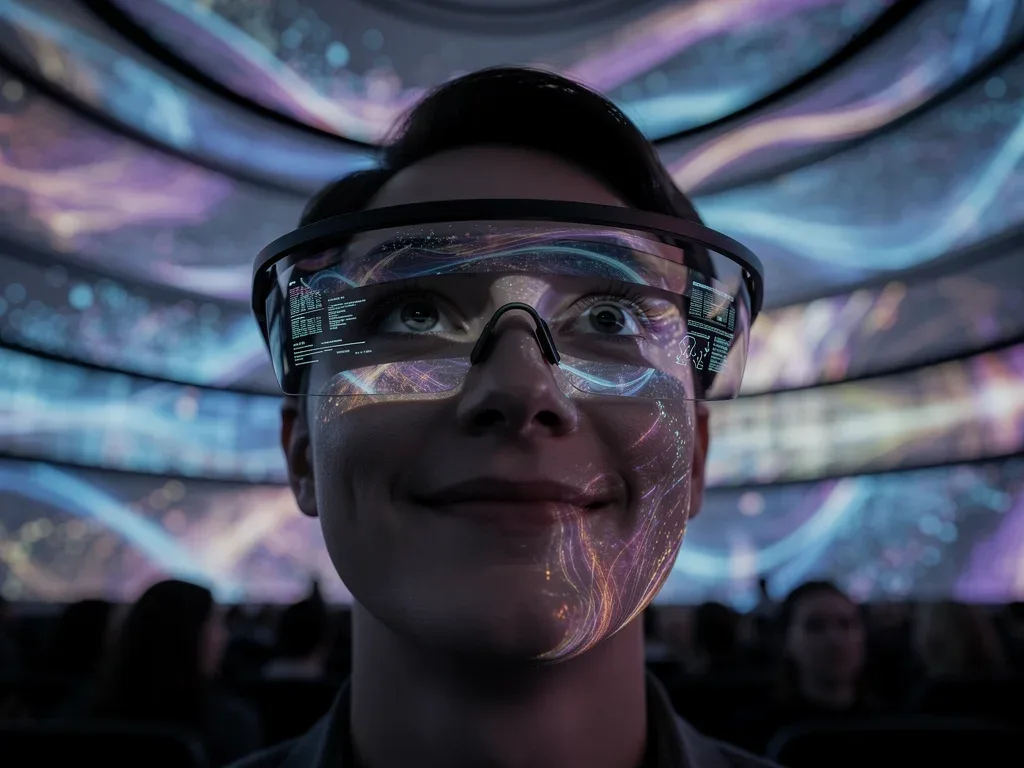
New Revenue Streams and Artistic Opportunities
The innovative nature of dome concerts also opens up new revenue streams and artistic opportunities:
- Premium Ticket Sales: The unique experience commands higher ticket prices, contributing to the financial health of orchestras and venues.
- Merchandising and Digital Content: Exclusive merchandise and digital recordings of dome performances offer additional income.
- Educational Programs: Domes host workshops and educational events, fostering interest in classical music, generative art, and STEM fields.
- Commissioning New Works: The unique environment encourages composers and artists to create new works specifically designed for the 360-degree format.
Beyond the direct economic benefits, these domes are fostering a vibrant ecosystem of innovation. They are incubators for new artistic collaborations, pushing the boundaries of what is possible at the intersection of music, art, and technology. This creative ferment attracts talent and investment, further solidifying their role as cultural hubs.
The cultural impact extends to the preservation and reinterpretation of classical heritage. By presenting timeless compositions in a contemporary context, these domes ensure that classical music remains relevant and engaging for future generations. They are not replacing traditional concert halls but complementing them, offering a different, equally valid way to experience and appreciate the art form.
In essence, 360-degree symphonic domes are proving to be powerful engines for both economic growth and cultural enrichment, demonstrating how technological innovation can breathe new life into established art forms and create entirely new modes of engagement.
Challenges and Future Prospects
While the advent of 360-degree symphonic domes is exciting, it's not without its challenges. The initial investment required to build and equip these venues is substantial, necessitating significant funding and long-term financial planning. Maintaining the complex technological infrastructure also requires a skilled technical team and continuous updates.
Another challenge lies in the artistic integration. Ensuring that the generative art truly enhances, rather than overwhelms, the classical music requires careful curation and a deep understanding of both art forms. The risk of novelty wearing off is also a concern, pushing artists and technologists to continually innovate and evolve their offerings.
Overcoming Obstacles and Looking Ahead
Despite these hurdles, the future prospects for 360-degree symphonic domes are incredibly promising:
- Technological Advancements: Continued improvements in projection technology, AI algorithms, and spatial audio will make experiences even more seamless and immersive.
- Global Expansion: More cities are planning to build these domes, making the experience accessible to a wider international audience.
- Diverse Programming: Beyond classical music, domes are exploring other genres, from electronic music to cinematic experiences, broadening their appeal.
- Interactive Elements: Future domes may incorporate audience interaction, allowing patrons to subtly influence the generative art or choose different visual interpretations.
The educational aspect also holds immense potential. Domes can serve as living laboratories for students interested in digital arts, music technology, and architectural design, fostering the next generation of innovators. Partnerships with universities and research institutions could lead to further breakthroughs in immersive entertainment.
As the technology becomes more refined and the artistic language of generative art matures, the experiences offered by these domes will only become more sophisticated and emotionally resonant. The initial investment, while high, is often justified by the unique value proposition and the long-term cultural and economic returns. The trajectory suggests a future where these domes are an integral part of the global cultural landscape, offering unparalleled artistic encounters.
The Audience Experience: Beyond Sight and Sound
What truly sets the 360-degree symphonic domes apart is the profound impact on the audience experience. It transcends passive listening, transforming it into an active, multi-sensory journey. The enveloping visuals and pristine spatial audio work in concert to create a feeling of being inside the music, rather than merely observing it.
Many attendees report a heightened emotional response to the performances. The synchronized visuals can amplify the drama of a symphony, the tranquility of a nocturne, or the intensity of a concerto. This deeper engagement fosters a more memorable and often transformative experience, leaving a lasting impression long after the final note fades.
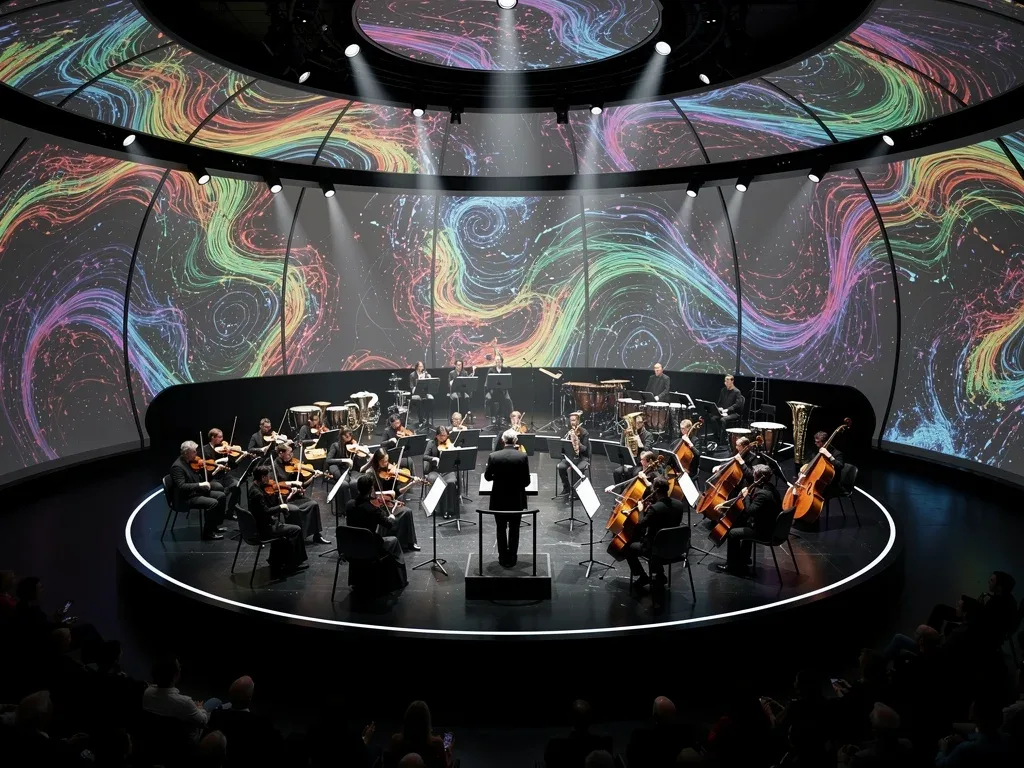
Sensory Immersion and Emotional Resonance
The immersive environment taps into several aspects of human perception:
- Visual Storytelling: Generative art can weave abstract narratives that complement the musical journey, guiding the listener's imagination.
- Spatial Awareness: The 360-degree projection creates a sense of infinite space, breaking down the traditional boundaries of a concert hall.
- Emotional Amplification: Synchronized visual cues can enhance the emotional impact of musical passages, making them more visceral.
- Reduced Distractions: The all-encompassing nature of the dome minimizes external distractions, allowing for complete focus on the performance.
Feedback from early audiences has been overwhelmingly positive, with many describing the experience as "mind-bending" or "transcendent." The domes are not just about seeing and hearing; they are about feeling the music in a way that was previously unimaginable. This innovative approach is attracting a new generation of concert-goers, eager to explore the frontiers of artistic expression.
Moreover, the communal aspect of experiencing such a spectacle together enhances the overall enjoyment. Audiences share a collective sense of wonder and discovery, fostering a unique bond. This shared, immersive journey elevates the classical concert from a mere performance to a truly communal artistic event, cementing the role of 360-degree symphonic domes as pioneers in the new experiences category.
The Evolution of Performance Art in the Digital Age
The integration of classical concerts and generative art within 360-degree symphonic domes is a testament to the ongoing evolution of performance art in the digital age. This fusion represents a deliberate move away from static, traditional presentations towards dynamic, interactive, and technologically-enhanced experiences. It acknowledges that contemporary audiences, accustomed to rich digital media, seek more than just auditory stimulation.
This trend is not isolated; it mirrors similar developments across various art forms, from interactive museum exhibits to augmented reality theatrical productions. The difference here is the scale and the seamless integration of live performance with real-time digital creation. It signifies a future where technology is not just a tool but an integral part of the artistic narrative.
Key Shifts in Performance Paradigms
This evolution highlights several critical shifts:
- From Passive to Immersive: Audiences are no longer passive observers but active participants in a sensory environment.
- From Fixed to Fluid: Performances become fluid, ever-changing entities, with generative art ensuring no two shows are identical.
- From Analog to Hybrid: The blend of acoustic instruments with digital visuals creates a powerful hybrid art form.
- From Exclusive to Accessible: The visual spectacle makes classical music more approachable for a broader audience.
The digital age offers unprecedented opportunities for artists to connect with audiences in novel ways. Generative art provides a new language for visual expression that can be intimately tied to the emotional and structural complexities of music. This allows for a deeper, more nuanced interpretation of artistic intent, enriching the overall experience.
Furthermore, these domes act as living laboratories for exploring the symbiotic relationship between human creativity and artificial intelligence. The algorithms learn and adapt, sometimes surprising even their creators with unexpected visual interpretations. This dynamic interplay pushes the boundaries of both technology and art, ensuring a continuous cycle of innovation.
Ultimately, the 360-degree symphonic domes are not just a fleeting trend; they are a significant milestone in the ongoing evolution of performance art. They demonstrate how tradition and innovation can coalesce to create powerful, engaging, and deeply meaningful artistic experiences for the 21st century and beyond, setting a new standard for live entertainment.
| Key Aspect | Brief Description |
|---|---|
| Immersive Environment | 360-degree projection and spatial audio create an all-encompassing sensory experience. |
| Generative Art Integration | Live, AI-driven visuals respond dynamically to orchestral music in real-time. |
| Cultural Impact | Attracting diverse audiences to classical music, boosting local economies. |
| Technological Fusion | Combines advanced projection, audio, and AI for unprecedented artistic expression. |
Frequently Asked Questions About Symphonic Domes
What exactly are 360-degree symphonic domes?▼They are advanced architectural venues designed with spherical or hemispherical interiors, equipped with high-resolution projection systems and spatial audio. These domes host classical concerts where live orchestral music is seamlessly merged with dynamic, real-time generative art, creating a fully immersive sensory experience for the audience.
How does generative art interact with the live music?▼Generative art algorithms are programmed to interpret musical parameters like tempo, pitch, and dynamics in real-time. Sensors capture the live performance data, which is then fed into the art engine. This allows the visuals to evolve and react spontaneously, creating a harmonious and dynamic visual accompaniment that enhances the auditory experience.
What are the main benefits for audiences attending these concerts?▼Audiences experience an unparalleled level of immersion, feeling truly "inside" the music. The visual spectacle makes classical music more accessible and engaging, particularly for new audiences. It fosters a deeper emotional connection to the performance, creating memorable and transformative artistic encounters that combine tradition with cutting-edge technology.
Are these domes replacing traditional concert halls?▼No, 360-degree symphonic domes are not intended to replace traditional concert halls. Instead, they complement them by offering a distinct and innovative way to experience classical music. They expand the artistic landscape, attracting diverse audiences and providing new platforms for creative expression, thus enriching the overall cultural offering.
What kind of future developments can we expect from symphonic domes?▼Future developments include even more advanced projection and audio technologies, global expansion of these venues, and diverse programming beyond classical music. We can also anticipate increased audience interaction, allowing patrons to influence the generative art, and greater integration with educational programs to foster new talent in digital arts and music technology.
Conclusion
The year 2026 marks a pivotal moment in the history of live performance with the widespread adoption of 360-degree symphonic domes. These remarkable venues have successfully forged an unprecedented synergy between the timeless beauty of classical music and the dynamic allure of live generative art. By offering an experience that transcends traditional boundaries, these domes are not merely entertaining; they are redefining cultural engagement, attracting new demographics, and pushing the very definition of what a concert can be. As technology continues to evolve, the potential for these immersive spaces to inspire, educate, and transform the artistic landscape remains boundless, promising a vibrant future where every performance is a unique, multi-sensory masterpiece.
