Contrast Therapy Blueprints: Sauna & Cold Plunge for Recovery
Advertisements
Contrast therapy blueprints, integrating 15 minutes of sauna with 2-minute cold plunges, offer a powerful strategy for accelerated muscle recovery, reduced inflammation, and enhanced overall well-being, optimizing physiological responses for peak physical and mental performance.
Have you ever wondered how to accelerate your body's recovery process after an intense workout or simply boost your overall well-being? The answer might lie in the ancient yet increasingly popular practice of contrast therapy blueprints, specifically balancing 15 minutes of sauna with 2-minute cold plunges for muscle recovery. This dynamic duo of extreme temperatures isn't just a trend; it's a science-backed method designed to optimize your physiological responses, leaving you feeling refreshed, rejuvenated, and ready to tackle anything.
The science behind contrast therapy
Contrast therapy, often referred to as hot-cold therapy, involves alternating between hot and cold environments. This practice has been utilized for centuries across various cultures for its purported health benefits, ranging from pain relief to enhanced athletic performance. Modern research is now shedding light on the physiological mechanisms that make this approach so effective, particularly when applied to muscle recovery.
The fundamental principle behind contrast therapy is vasodilation and vasoconstriction. When exposed to heat, blood vessels expand (vasodilation), increasing blood flow to the tissues. Conversely, cold exposure causes blood vessels to constrict (vasoconstriction), reducing blood flow. This rapid alternation creates a 'pumping' action that is believed to enhance circulation, flushing out metabolic waste products like lactic acid and bringing in nutrient-rich blood to aid in repair.
Circulatory benefits and inflammation reduction
One of the primary advantages of contrast therapy is its profound impact on the circulatory system. The rapid expansion and constriction of blood vessels improve lymphatic drainage, which is crucial for reducing swelling and inflammation. This is particularly beneficial after strenuous exercise, where micro-tears in muscle fibers lead to inflammatory responses.
- Improved lymphatic circulation: Helps remove waste products and reduce edema.
- Reduced muscle soreness: Lessens delayed onset muscle soreness (DOMS).
- Enhanced nutrient delivery: Brings oxygen and nutrients to damaged tissues.
- Decreased inflammation markers: Contributes to a faster recovery process.
Beyond the physical benefits, contrast therapy also influences the nervous system. The cold exposure activates the sympathetic nervous system, leading to a release of endorphins and improved mood, while the heat promotes relaxation through the parasympathetic nervous system. This dual action contributes to both physical and mental recovery, making it a holistic approach to well-being. Understanding these intricate biological processes helps appreciate why carefully structured contrast therapy blueprints are gaining traction among athletes and wellness enthusiasts alike.
Designing your optimal contrast therapy blueprint
Creating an effective contrast therapy routine requires more than just jumping between hot and cold. The specific timings and transitions are crucial for maximizing benefits while minimizing potential risks. For muscle recovery, a carefully designed blueprint often involves a longer exposure to heat followed by a shorter, intense cold plunge. This particular strategy focuses on leveraging the anti-inflammatory and circulatory benefits of the temperature fluctuations.
The recommended protocol of 15 minutes in a sauna followed by a 2-minute cold plunge is not arbitrary; it's based on physiological responses. The longer sauna session allows for deep tissue heating, promoting significant vasodilation and relaxation. This primes the body for the subsequent cold shock, which then triggers a powerful vasoconstrictive response, creating the desired 'pumping' effect on the circulatory and lymphatic systems. Consistency and proper execution are key to unlocking the full potential of these contrast therapy blueprints.
Sauna selection and preparation
Choosing the right type of sauna can also influence your experience. Traditional Finnish saunas, which use dry heat and often involve pouring water over hot rocks to create steam (löyly), are popular. Infrared saunas, on the other hand, use infrared light to directly heat the body, often at lower ambient temperatures. Both offer therapeutic benefits, but traditional saunas typically reach higher temperatures, leading to a more intense heat exposure.
- Traditional sauna: Higher temperatures, promotes sweating and detoxification.
- Infrared sauna: Deeper tissue penetration, potentially more comfortable for some.
- Hydration: Drink plenty of water before and after your sauna session.
- Listen to your body: If you feel dizzy or unwell, exit the sauna immediately.
Preparing for your cold plunge is equally important. Ensure the water is genuinely cold, ideally between 39-59°F (4-15°C). Having a clear path to and from the cold plunge, and perhaps a towel or robe readily available, can make the transition smoother. The initial shock of cold water can be intense, but focusing on controlled breathing can help manage the physiological response and allow your body to adapt more quickly. This preparation ensures safety and enhances the therapeutic effect of each session.
The 15-minute sauna: reaping the benefits of heat
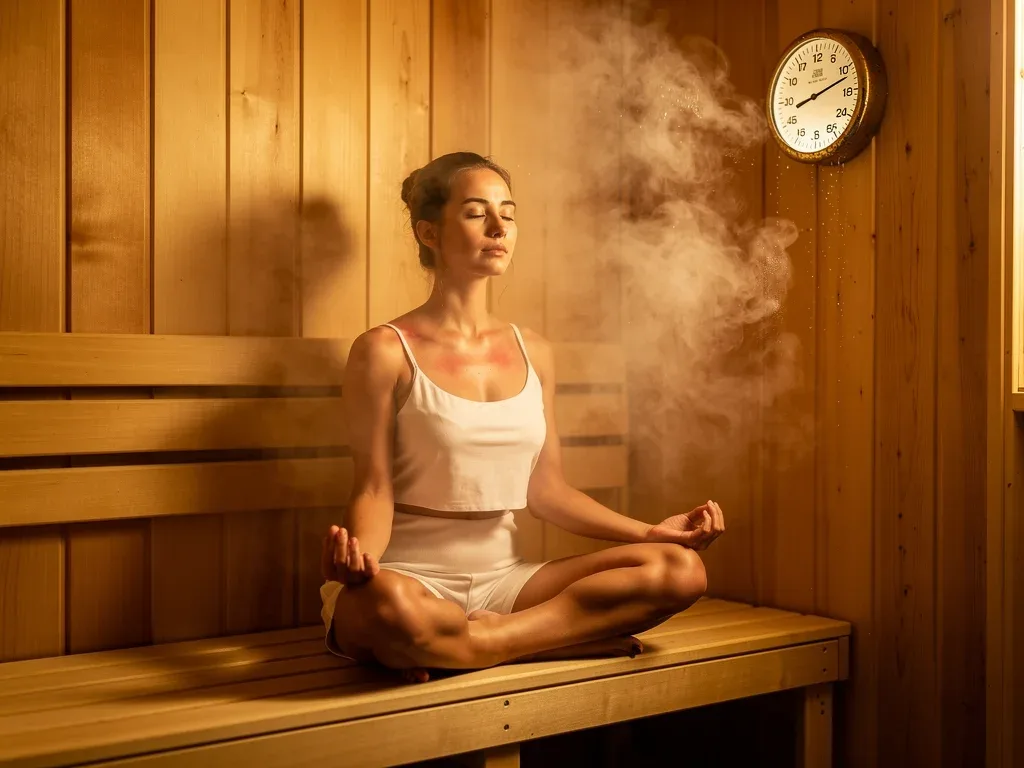
The 15-minute sauna session is the cornerstone of many effective contrast therapy blueprints, particularly those aimed at muscle recovery. This duration is often cited as ideal for allowing the body to fully engage with the heat, promoting a cascade of beneficial physiological responses. During this time, your core body temperature rises, leading to increased heart rate and blood flow, mimicking a light cardiovascular workout.
The heat from the sauna helps to relax muscles, reduce stiffness, and improve flexibility. It also stimulates the release of heat shock proteins, which play a crucial role in cellular repair and adaptation to stress. Furthermore, the intense sweating induced by the sauna aids in detoxification, expelling heavy metals and other toxins from the body. This comprehensive physiological response prepares your body for the subsequent cold exposure, maximizing the overall therapeutic impact of the contrast therapy.
Physiological responses to heat exposure
Beyond muscle relaxation, the sauna's heat triggers several other important bodily functions. Blood vessels dilate significantly, increasing circulation to the skin and muscles. This enhanced blood flow facilitates the delivery of oxygen and nutrients to recovering tissues, accelerating the repair process after physical exertion. The increased heart rate also provides a mild cardiovascular challenge, contributing to overall heart health over time.
- Increased blood circulation: Supports muscle repair and recovery.
- Muscle relaxation: Alleviates tension and stiffness.
- Detoxification: Promotes sweating and toxin elimination.
- Endorphin release: Contributes to a sense of well-being and pain relief.
The psychological benefits of a sauna session are also noteworthy. The warm, quiet environment provides a perfect opportunity for mindfulness and stress reduction. This mental relaxation is just as vital as physical recovery, helping to lower cortisol levels and improve sleep quality. A well-executed 15-minute sauna session is not just about heating the body; it's about creating an optimal internal environment for healing and rejuvenation, setting the stage for the powerful effects of the cold plunge.
The 2-minute cold plunge: embracing the chill for recovery
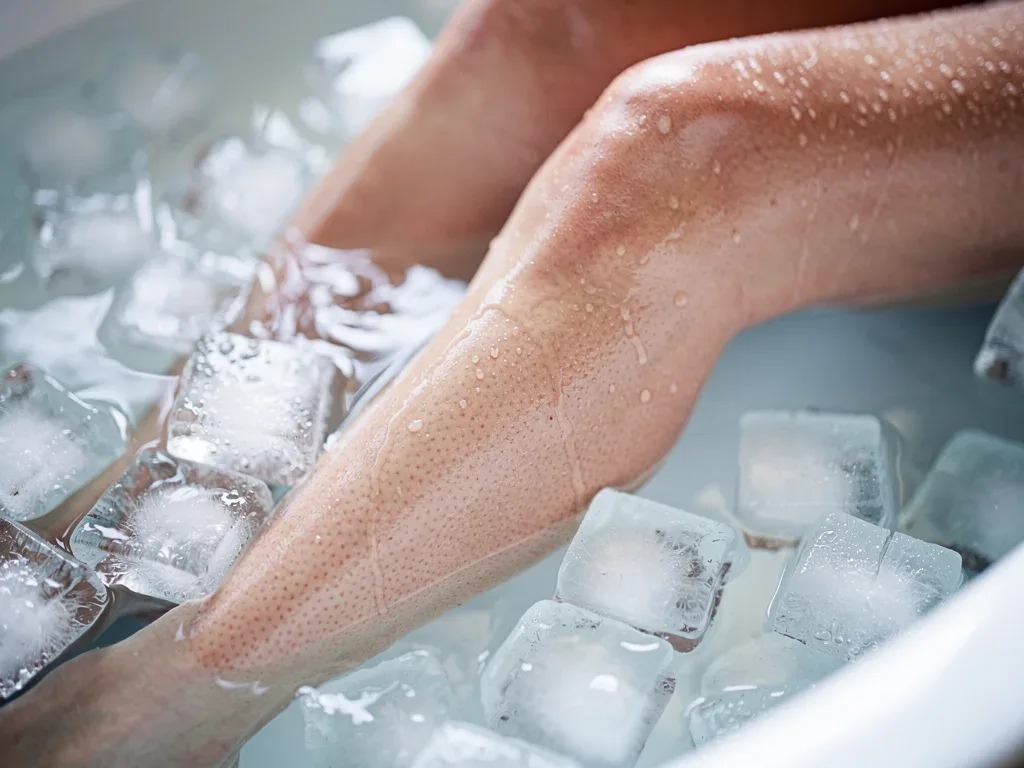
Following the warming embrace of the sauna, the 2-minute cold plunge delivers a powerful shock to the system, initiating a distinct set of physiological responses critical for muscle recovery. This brief but intense exposure to cold water, typically between 39-59°F (4-15°C), immediately triggers vasoconstriction, reducing blood flow to the extremities and directing it towards the core. This is a key mechanism for reducing inflammation and swelling in fatigued muscles.
The immediate cold shock also activates the sympathetic nervous system, leading to a sudden release of adrenaline and noradrenaline. While this might sound daunting, these hormones contribute to alertness, improved mood, and a heightened sense of well-being. Over time, regular cold exposure can also enhance cold tolerance and promote brown fat activation, which is linked to improved metabolism. Integrating this intense cold phase is what truly defines the effectiveness of contrast therapy blueprints for optimal recovery.
Managing the cold shock and maximizing benefits
The initial moments in a cold plunge can be challenging. Many individuals experience an involuntary gasp reflex and a feeling of breathlessness. Learning to control your breath is paramount during this phase. Deep, diaphragmatic breathing helps to calm the nervous system, reduce the sensation of shock, and allow your body to adapt more quickly to the cold. Focusing on slow exhales can be particularly effective.
- Controlled breathing: Helps manage the initial cold shock response.
- Reduced muscle inflammation: Constriction of blood vessels minimizes swelling.
- Pain relief: Numbing effect of cold can alleviate muscle soreness.
- Mental resilience: Regular exposure builds mental toughness and focus.
Despite the initial discomfort, the benefits of the 2-minute cold plunge are substantial. The rapid cooling helps to constrict blood vessels, pushing metabolic waste out of the muscles and reducing localized inflammation. Upon exiting the cold water, the body quickly re-warms, causing a rapid vasodilation that floods the muscles with fresh, oxygenated blood and nutrients. This 'vascular pump' effect is central to accelerating muscle repair and reducing delayed onset muscle soreness (DOMS), making it an indispensable part of comprehensive contrast therapy blueprints.
Integrating contrast therapy into your routine
Successfully incorporating contrast therapy blueprints into your lifestyle requires planning and consistency. While the benefits are clear, making it a regular practice means understanding when and how to best utilize these powerful tools. For most individuals, especially athletes or those engaging in regular strenuous activity, scheduling sessions post-workout or on active recovery days can yield the best results. The goal is to facilitate muscle repair and reduce recovery time, allowing for more consistent and effective training.
Consider your personal schedule and access to facilities. Many gyms, wellness centers, and even dedicated cold plunge/sauna studios now offer these amenities. If home setup is an option, invest in a quality cold plunge tub and consider a portable sauna or a dedicated sauna room. Starting gradually and building up your tolerance to both heat and cold is crucial. Don't feel pressured to dive into the full 15-minute sauna and 2-minute cold plunge immediately; ease in and adjust as your body adapts.
Optimal timing and frequency
The timing of your contrast therapy sessions can significantly impact their effectiveness. For muscle recovery, performing contrast therapy within a few hours after a strenuous workout is often recommended. This allows the circulatory benefits to kick in when muscles are most in need of repair and waste removal. However, some individuals also find benefits from morning sessions to boost alertness and energy, or evening sessions for relaxation and improved sleep.
- Post-workout: Ideal for immediate muscle recovery and inflammation reduction.
- Active recovery days: Can aid in flushing out toxins and promoting circulation.
- Morning sessions: Boosts energy, focus, and mood for the day.
- Evening sessions: Promotes relaxation and can improve sleep quality.
Regarding frequency, two to three sessions per week are often sufficient for most people to experience significant benefits. Overtraining or excessive exposure to extreme temperatures can be counterproductive, so listening to your body is paramount. Pay attention to how you feel after each session and adjust the frequency and duration as needed. Consistent, mindful application of contrast therapy blueprints will lead to the most sustainable and impactful results for your overall health and performance.
Beyond muscle recovery: holistic benefits of contrast therapy
While muscle recovery is a primary focus for many adopting contrast therapy blueprints, the benefits extend far beyond athletic performance. This practice offers a holistic approach to well-being, impacting various physiological systems and contributing to overall health and vitality. The deliberate exposure to extreme temperatures challenges the body in a controlled manner, leading to adaptations that can enhance resilience and improve general health markers.
One significant area of benefit is immune system support. Regular exposure to cold has been shown to increase white blood cell count and activate immune cells, potentially making the body more resistant to common illnesses. The detoxification aspect of sauna use also contributes to a cleaner internal environment, further supporting immune function. This dual action makes contrast therapy a powerful tool for maintaining robust health, especially during challenging seasons or periods of high stress.
Mental clarity and stress reduction
The mental and emotional benefits of contrast therapy are often overlooked but are profoundly impactful. The intense sensory experience of alternating between hot and cold requires a significant degree of mental focus and presence. This forced mindfulness can act as a powerful form of meditation, helping to quiet the incessant chatter of the mind and reduce mental stress.
- Improved mood: Release of endorphins and neurotransmitters.
- Enhanced focus: The intense experience demands present-moment awareness.
- Stress reduction: Lowers cortisol levels and promotes relaxation.
- Better sleep quality: Contributes to a more restful night's sleep.
Moreover, the challenge of enduring a cold plunge builds mental resilience and self-discipline. Successfully navigating the discomfort of cold exposure can translate into greater mental fortitude in other areas of life. The subsequent warmth of the sauna then provides a sense of deep relaxation, further balancing the nervous system. This interplay of challenge and calm makes contrast therapy a unique and effective strategy for improving both physical and mental well-being, solidifying its place as a comprehensive wellness tool.
| Key Aspect | Brief Description |
|---|---|
| Sauna Duration | 15 minutes for deep tissue heating, relaxation, and detoxification. |
| Cold Plunge Duration | 2 minutes for intense vasoconstriction, inflammation reduction, and mental boost. |
| Primary Benefit | Accelerated muscle recovery and reduced delayed onset muscle soreness (DOMS). |
| Holistic Impact | Improved circulation, immune function, mental clarity, and stress reduction. |
Frequently asked questions about contrast therapy
How often should I practice contrast therapy for muscle recovery?▼For optimal muscle recovery, practicing contrast therapy 2-3 times per week, especially after intense workouts, is generally recommended. Consistency is key, but always listen to your body and adjust frequency based on your recovery needs and how you feel. Overtraining with temperature extremes can be counterproductive.
What is the ideal temperature for the cold plunge?▼The ideal temperature for a cold plunge typically ranges between 39-59°F (4-15°C). Colder temperatures provide more intense benefits but also require greater adaptation. Start at the higher end of the range and gradually decrease the temperature as your body becomes more accustomed to the cold exposure for 2-minute durations.
Are there any risks associated with contrast therapy?▼While generally safe for healthy individuals, contrast therapy can pose risks for those with certain conditions, such as heart disease, high blood pressure, or circulatory issues. Always consult a healthcare professional before starting, especially if you have pre-existing health concerns, to ensure it's safe for your specific situation.
Can contrast therapy help with chronic pain?▼Yes, contrast therapy can potentially help manage chronic pain by reducing inflammation, improving circulation, and promoting muscle relaxation. The alternating temperatures may alleviate stiffness and discomfort. However, it's crucial to consult with a medical professional to integrate it safely into a comprehensive pain management plan for chronic conditions.
What should I do if I feel dizzy or unwell during a session?▼If you experience dizziness, lightheadedness, or any other discomfort during a contrast therapy session, exit the sauna or cold plunge immediately. Hydrate, rest, and allow your body to recover. It's essential to listen to your body's signals and not push yourself beyond your limits to ensure a safe and beneficial experience.
Conclusion
The strategic implementation of contrast therapy blueprints, specifically balancing 15 minutes of sauna with 2-minute cold plunges, offers a robust and scientifically supported path to superior muscle recovery and holistic well-being. This potent combination harnesses the power of extreme temperatures to optimize physiological processes, from enhancing circulation and reducing inflammation to boosting mental resilience and promoting detoxification. By understanding the underlying mechanisms and carefully integrating these practices into your routine, you can unlock a new level of physical and mental vitality. Embrace the heat and the chill, and discover the profound benefits that await in this ancient yet ever-relevant wellness practice.
