De-Influencing 2.0: The $1.4 Billion Anti-Consumerist Movement
Advertisements
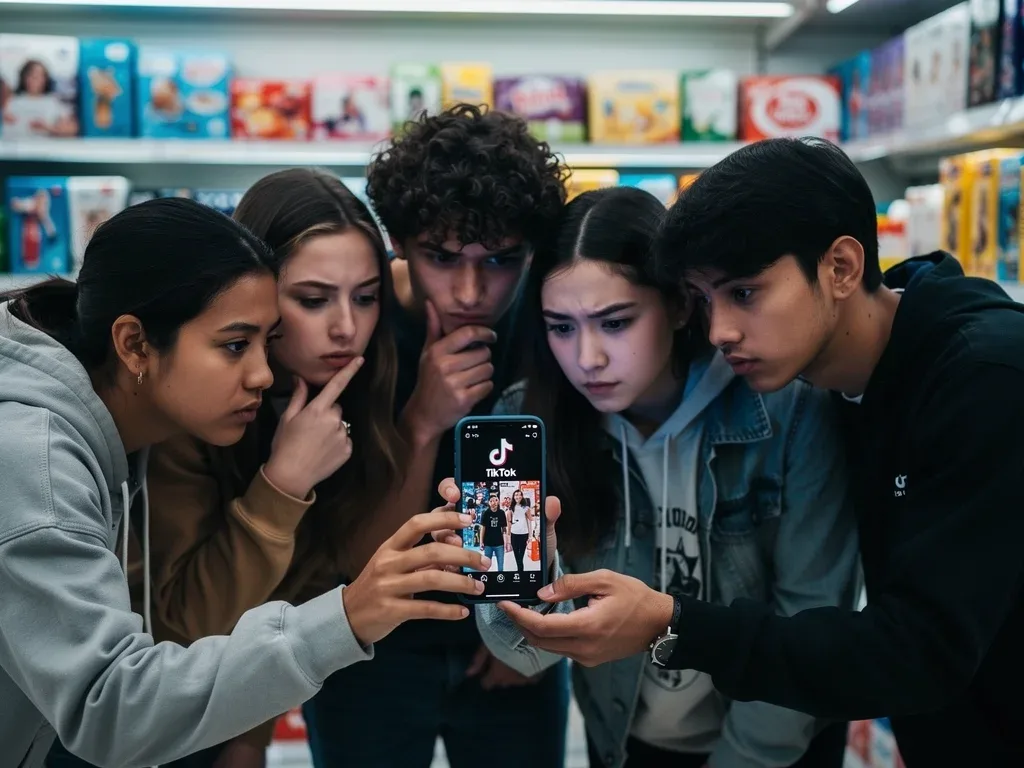
De-influencing 2.0 is a burgeoning anti-consumerist movement on TikTok, significantly impacting the $1.4 billion influencer market by encouraging conscious consumption and challenging traditional product recommendations.
In an era dominated by relentless digital marketing, a powerful counter-movement is gaining unprecedented traction: De-Influencing 2.0: Inside the $1.4 Billion Anti-Consumerist Movement Taking Over TikTok. This phenomenon is not merely a fleeting trend but a significant cultural shift reshaping how consumers, particularly Gen Z, interact with products and brands online.
The Genesis of De-Influencing: From Recommendation to Renunciation
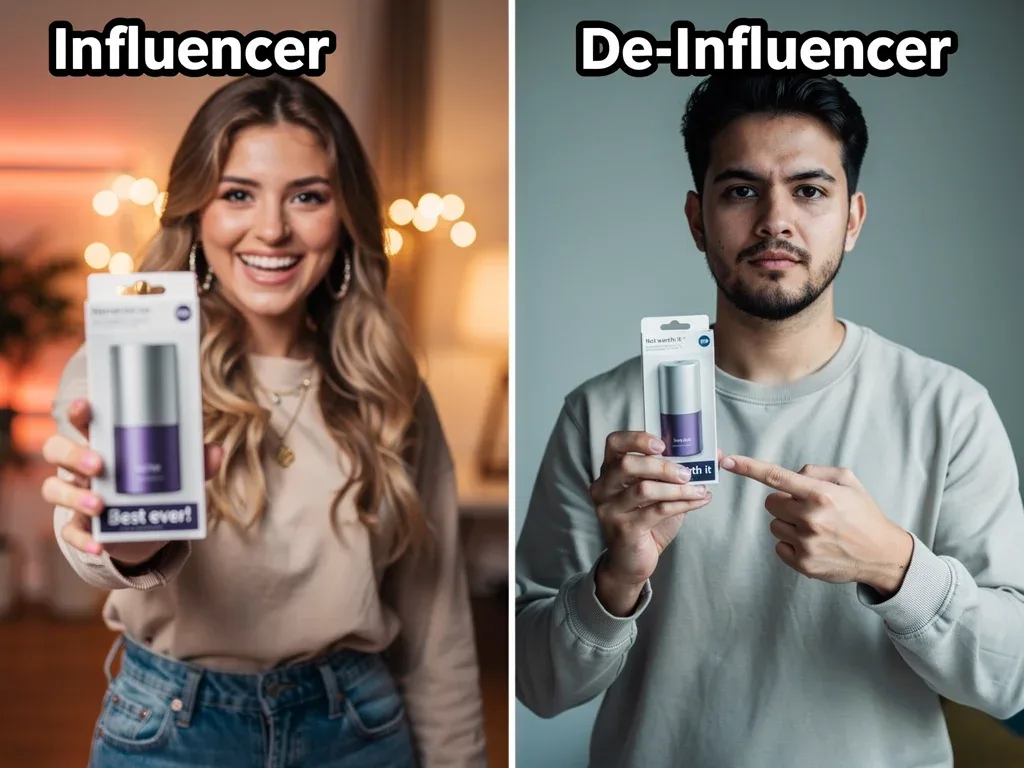
De-influencing began as a subtle pushback against the incessant product recommendations that flooded social media feeds. Initially, it involved creators simply suggesting products they didn't find worthwhile, offering a refreshing dose of honesty in a landscape often perceived as overly curated and commercially driven. This early form was about managing expectations and preventing buyer's remorse.
However, De-Influencing 2.0 represents a far more profound and systemic critique. It has evolved beyond individual product reviews to challenge the very foundations of consumer culture, questioning the necessity of purchases, promoting sustainable alternatives, and advocating for a more minimalist lifestyle. This evolution reflects a growing disillusionment with hyper-consumerism and a desire for authenticity and environmental responsibility among younger demographics.
The Shift from Individual Products to Systemic Critique
The transition from critiquing single products to questioning the entire consumerist system is a hallmark of De-Influencing 2.0. Creators are now dissecting marketing tactics, calling out greenwashing, and urging followers to consider the ethical implications of their spending habits. This broader scope elevates de-influencing from mere product reviews to a socio-economic commentary.
- Questioning Necessity: Encouraging viewers to evaluate if they truly need an item.
- Promoting Alternatives: Suggesting more sustainable, affordable, or ethical options.
- Exposing Marketing Gimmicks: Highlighting misleading advertising and brand promises.
- Advocating for Minimalism: Inspiring a lifestyle with fewer material possessions.
This deeper dive into the mechanics of consumerism resonates deeply with an audience increasingly concerned about climate change, social inequality, and personal financial strain. The movement empowers individuals to make more informed decisions, fostering a sense of collective responsibility and challenging the relentless pressure to constantly acquire new goods.
TikTok's Role in Amplifying Anti-Consumerist Voices
TikTok, with its short-form video format and algorithmic virality, has proven to be the perfect breeding ground for the de-influencing movement. The platform's ability to quickly disseminate authentic, unpolished content allows de-influencers to connect directly with their audience, fostering trust and rapport in a way that traditional advertising often fails to achieve. The raw, unfiltered nature of these videos stands in stark contrast to the glossy perfection often associated with sponsored content.
The platform's emphasis on user-generated content and trending sounds also means that de-influencing videos can rapidly reach millions, turning niche critiques into mainstream conversations. This democratic aspect of TikTok gives a powerful voice to ordinary consumers, allowing their collective skepticism to coalesce into a formidable cultural force. The sheer volume of content and the speed at which it spreads makes TikTok an indispensable tool for this movement.
The Algorithm's Unintended Impact
While TikTok's algorithm is designed to maximize engagement, it has inadvertently become a catalyst for de-influencing. By prioritizing content that sparks discussion and controversy, the algorithm often pushes de-influencing videos to broader audiences, further amplifying their message. This creates a feedback loop where critical content gains more visibility, encouraging more creators to join the movement.
- Rapid Dissemination: Short videos and trending audio facilitate quick spread.
- Authenticity Over Polish: Raw content builds trust with viewers.
- Community Building: Comment sections foster discussions and shared skepticism.
- Algorithmic Boost: Content challenging norms often gains viral traction.
The virality of de-influencing content on TikTok demonstrates a significant shift in consumer trust. Audiences are increasingly wary of overtly promotional content and are actively seeking out voices that offer genuine, unbiased opinions. This preference for authenticity over aspiration is a key driver of the movement's success on the platform.
The $1.4 Billion Question: Economic Impact on Influencer Marketing
The rise of de-influencing poses a direct challenge to the lucrative influencer marketing industry, estimated to be worth $1.4 billion. Brands have historically relied on influencers to drive sales and build brand loyalty. However, as de-influencers gain prominence, they are effectively eroding the trust once solely placed in traditional influencer recommendations, forcing brands to rethink their strategies.
The economic impact is multifaceted. Some brands are seeing a direct dip in sales for products that have been 'de-influenced,' while others are scrambling to adjust their marketing campaigns to align with the new consumer sentiment. This necessitates a move towards more transparent and value-driven marketing, rather than relying on aspirational selling. The shift is not just about losing sales, but about a fundamental re-evaluation of marketing effectiveness.
Brands Re-evaluating Strategies and Partnerships
Brands are now faced with the difficult task of navigating this new landscape. Many are moving away from purely transactional influencer partnerships towards collaborations that emphasize genuine advocacy and long-term relationships. There's a growing understanding that authenticity, even if it means acknowledging product limitations, can build stronger brand trust in the long run.
- Reduced ROI for Traditional Campaigns: Brands see diminishing returns from standard influencer ads.
- Shift to Authentic Collaborations: Partnering with creators who genuinely use and believe in products.
- Increased Demand for Transparency: Consumers expect brands and influencers to be more honest.
- Focus on Value and Longevity: Marketing messages emphasize utility and sustainability over trends.
The financial implications extend beyond individual campaigns. The entire ecosystem of affiliate marketing, sponsored posts, and product placements is under scrutiny. Brands that fail to adapt risk being perceived as out of touch or disingenuous, further alienating a consumer base that values transparency and ethical practices above all else.
Conscious Consumption: A Driving Force of De-Influencing
At its core, de-influencing is deeply intertwined with the broader movement of conscious consumption. Consumers are increasingly aware of the environmental and social costs associated with their purchasing decisions. De-influencers tap into this awareness by highlighting issues such as fast fashion's impact, the ethical sourcing of products, and the sheer volume of waste generated by overconsumption.
This isn't just about saving money; it's about making deliberate choices that align with personal values. The movement encourages individuals to consider the entire lifecycle of a product, from its production to its disposal, fostering a more thoughtful and responsible approach to shopping. Conscious consumption is becoming a lifestyle choice, not just a fleeting trend, and de-influencing is its digital manifestation.
The Ethical and Environmental Imperative
De-influencers often weave ethical and environmental concerns into their content, providing a holistic view of consumption. They might discuss the labor practices behind a popular brand or the carbon footprint of a trending product, pushing viewers to look beyond surface-level aesthetics. This educational aspect is crucial in empowering consumers to make more sustainable choices.
- Environmental Impact: Highlighting issues like waste and pollution.
- Ethical Sourcing: Discussing fair labor practices and supply chain transparency.
- Durability and Longevity: Promoting products built to last over disposable items.
- Mindful Spending: Encouraging purchases based on need, not impulse.
The emphasis on conscious consumption reflects a generational shift where purpose and values often outweigh price and convenience. De-influencing provides a platform for these values to be articulated and amplified, creating a ripple effect that encourages more sustainable habits across a wider audience.
The Future of Influence: Authenticity, Niche, and Value
As de-influencing continues to evolve, the future of influence will undoubtedly be shaped by its principles. The era of generic, mass-market recommendations may be waning, replaced by a demand for authenticity, niche expertise, and genuine value. Influencers who can adapt to this new paradigm will thrive, while those who cling to old models may find themselves irrelevant.
This shift suggests a move towards micro and nano-influencers who have cultivated highly engaged, trusting communities around specific interests. Their smaller scale often allows for more personalized and authentic recommendations, which align perfectly with the de-influencing ethos. The focus will be less on sheer follower count and more on the depth of connection and perceived trustworthiness.
Evolving Influencer Archetypes
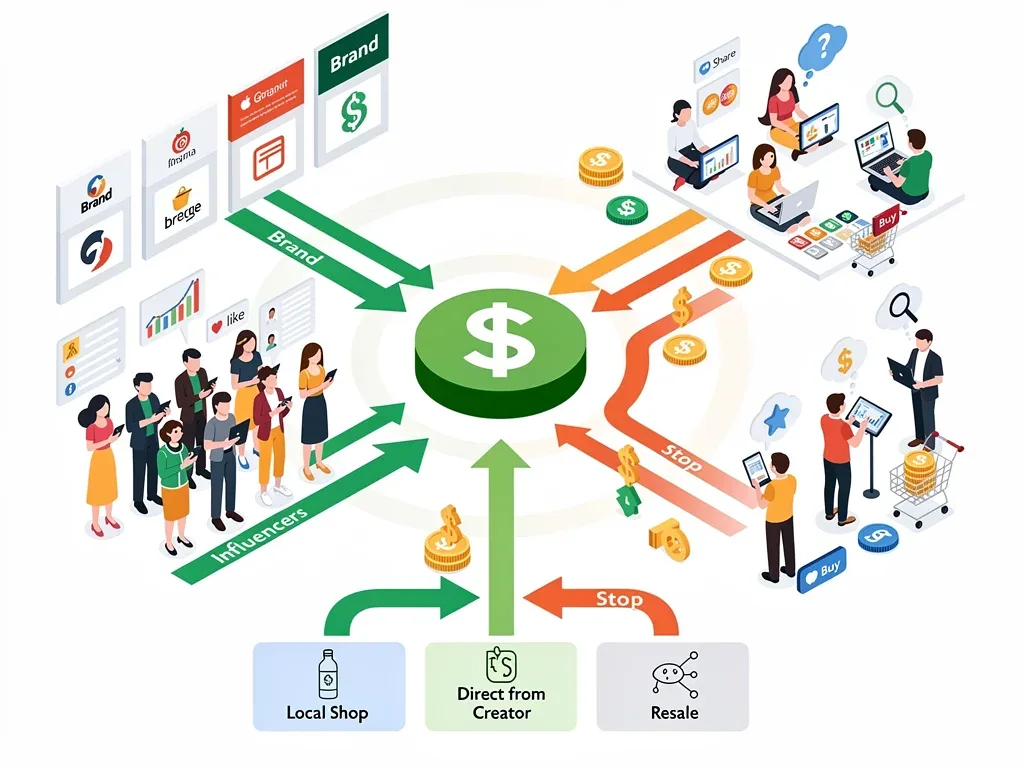
New archetypes of influencers are emerging: the 'expert,' the 'educator,' and the 'advocate.' These creators focus on providing in-depth information, teaching skills, or championing causes, rather than simply promoting products. Their influence stems from their knowledge and values, not just their aesthetic appeal or popularity.
- Expert Influencers: Providing deep dives and informed opinions.
- Educator Influencers: Teaching practical skills and consumer literacy.
- Advocate Influencers: Championing ethical brands and sustainable practices.
- Community-Centric Approach: Building loyal, engaged audiences through shared values.
The future of influence will likely see a more diverse and fragmented landscape, where influence is earned through genuine connection and shared values, rather than through paid endorsements alone. Brands that embrace this shift and partner with authentic voices will be better positioned to navigate the evolving consumer landscape.
Navigating the De-Influenced Landscape: Tips for Consumers and Brands
For consumers, de-influencing offers a powerful tool for making more informed and responsible purchasing decisions. It encourages critical thinking and provides a counterbalance to the constant pressure to buy. For brands, it presents both a challenge and an opportunity to reassess their values and marketing approaches. Adapting to this new landscape requires a proactive and honest strategy.
Consumers can leverage de-influencing by actively seeking out diverse perspectives before making purchases, questioning the narratives presented by traditional advertising, and prioritizing needs over wants. Brands, on the other hand, must focus on transparency, ethical practices, and creating genuine value that resonates with a more discerning audience. This means moving beyond superficial marketing to build authentic relationships.
Strategies for Consumers and Brands
Consumers should cultivate a healthy skepticism towards all online recommendations, seeking out multiple reviews and considering the source's motivations. They should also explore alternatives like buying secondhand, repairing items, or opting for experiences over material goods. For brands, the path forward involves embracing transparency and purpose.
- For Consumers:
- Seek diverse opinions, not just sponsored content.
- Prioritize quality and longevity over trendiness.
- Support brands aligned with personal values.
- Consider the environmental and social impact of purchases.
- For Brands:
- Embrace transparency in sourcing and production.
- Focus on product quality and genuine utility.
- Partner with authentic creators who share brand values.
- Highlight sustainability and ethical practices.
Ultimately, navigating the de-influenced landscape requires a fundamental shift in mindset for both consumers and brands. It's about moving towards a more thoughtful, responsible, and sustainable approach to consumption, driven by authenticity and a collective desire for a better future.
| Key Aspect | Brief Description |
|---|---|
| Movement Evolution | De-influencing evolved from product critiques to a systemic anti-consumerist challenge. |
| TikTok's Role | Platform's virality amplifies authentic, critical content, reaching vast audiences. |
| Economic Impact | Challenges the $1.4 billion influencer market, forcing brands to rethink strategies. |
| Future of Influence | Shifting towards authenticity, niche expertise, and value-driven content creators. |
Frequently Asked Questions About De-Influencing 2.0
What is de-influencing 2.0 and how does it differ from traditional influencing?▼De-influencing 2.0 is an anti-consumerist movement on TikTok where creators discourage specific purchases or overconsumption in general. Unlike traditional influencing, which promotes products, de-influencing often highlights flaws, suggests alternatives, or questions the necessity of buying certain items, fostering more conscious consumption.
How is de-influencing impacting the influencer marketing industry?▼De-influencing is causing a significant shift in the $1.4 billion influencer marketing industry. It's eroding consumer trust in purely promotional content, forcing brands to adopt more transparent, authentic, and value-driven marketing strategies to resonate with a skeptical audience.
Why is TikTok the primary platform for the de-influencing movement?▼TikTok's short-form video format, algorithmic virality, and emphasis on authentic, user-generated content make it ideal. The platform allows de-influencers to quickly disseminate unpolished, honest critiques that resonate deeply with viewers, fostering trust and community around shared anti-consumerist values.
What are the core principles behind conscious consumption in de-influencing?▼Conscious consumption in de-influencing revolves around making deliberate purchasing decisions. It involves considering the environmental and social impact of products, prioritizing necessity over impulse, seeking sustainable alternatives, and advocating for ethical sourcing and production practices from brands.
How can brands adapt to the rise of de-influencing and maintain consumer trust?▼Brands can adapt by embracing transparency, focusing on genuine product value, and engaging in authentic collaborations with creators. Prioritizing ethical practices, sustainability, and clear communication about product benefits and limitations will help rebuild and maintain consumer trust in this evolving landscape.
Conclusion
De-Influencing 2.0 is more than just a passing trend; it's a powerful cultural and economic force reshaping the digital landscape and consumer behavior. Driven by a desire for authenticity, sustainability, and mindful consumption, this TikTok-led movement challenges the very fabric of traditional influencer marketing. As consumers become increasingly discerning, brands and content creators alike must adapt, prioritizing transparency, genuine value, and ethical practices to thrive in an era where skepticism often trumps aspiration. The future of influence lies in building trust through honesty, fostering a more responsible and conscious approach to consumption for everyone involved.