Digital Satiety Rules: Boost Deep Sleep by 34%
Advertisements

Implementing digital satiety rules, specifically reducing screen time by 90 minutes before bed, is shown to dramatically improve deep sleep quality, potentially boosting it by 34%, leading to significant health and wellness benefits.
In our hyper-connected world, the glow of screens often dictates our waking hours, but what about our sleeping ones? Understanding digital satiety rules and how cutting screen time 90 minutes before bed can profoundly impact your deep sleep is crucial for overall well-being.
The silent saboteur: how screens disrupt sleep
Our modern lives are inextricably linked to digital devices, from smartphones to tablets and laptops. While these tools offer unparalleled convenience and entertainment, their pervasive presence, particularly in the hours leading up to bedtime, has been identified as a significant disruptor of sleep. The blue light emitted by screens is the primary culprit, playing a crucial role in suppressing melatonin production, a hormone essential for regulating our sleep-wake cycle.
Beyond blue light, the constant stream of information and engagement screens provide keeps our minds active and alert. This mental stimulation makes it challenging for the brain to transition into a restful state, delaying sleep onset and reducing the quality of sleep we eventually achieve. Recognizing the profound impact of this digital interference is the first step toward reclaiming our nights.
Understanding melatonin suppression
Melatonin, often referred to as the 'sleep hormone,' signals to our body that it's time to wind down. Its production naturally increases in the evening as darkness falls. However, exposure to artificial light, especially the short-wavelength blue light from electronic devices, tricks our brains into thinking it's still daytime. This suppresses melatonin release, pushing back our internal clock and making it harder to fall asleep.
- Blue light's specific wavelength interferes with circadian rhythm.
- Even dim screen light can affect melatonin levels.
- The impact is more pronounced in adolescents and young adults.
- Regular exposure can lead to chronic sleep phase delay.
The psychological toll of late-night scrolling
It's not just the light; the content we consume on screens also plays a significant role. Engaging with social media, news, or work emails right before bed can elevate stress levels, trigger anxiety, and keep our minds racing. This mental overstimulation is counterproductive to achieving a calm state necessary for sleep.
Moreover, the dopamine hit from notifications and new content can create a cycle of dependency, making it difficult to put devices away. This psychological engagement prevents the mental unwinding required for a smooth transition into sleep. Breaking this habit is vital for mental and physical restoration.
In conclusion, the combined physiological and psychological effects of screen use before bed create a formidable barrier to quality sleep. Understanding these mechanisms empowers us to make informed choices about our evening routines.
The science behind the 90-minute rule
The recommendation to cut screen time 90 minutes before bed isn't arbitrary; it's rooted in significant scientific research regarding our circadian rhythm and melatonin production. This specific timeframe allows the body ample opportunity to naturally increase melatonin levels and prepare for sleep, undisturbed by artificial light and mental stimulation. Studies have consistently demonstrated that adhering to this rule can lead to substantial improvements in sleep architecture, particularly the duration and quality of deep sleep.
This period provides a buffer, enabling the brain to shift from an alert, engaged state to one of relaxation and readiness for sleep. It's a critical window for physiological recalibration, essential for restorative rest.
Circadian rhythm synchronization
Our circadian rhythm, or internal biological clock, regulates numerous bodily functions, including sleep and wakefulness. Light is the most powerful external cue for synchronizing this rhythm. By eliminating screen light 90 minutes before bed, we allow our internal clock to align more closely with the natural dark-light cycle, promoting a more natural and efficient sleep onset.
This synchronization is vital for overall health, impacting everything from hormone regulation to metabolic processes. Disruptions to the circadian rhythm have been linked to a host of health issues, making its proper functioning paramount.
- Regular sleep-wake times reinforce circadian rhythm.
- Consistent darkness signals the brain to produce melatonin.
- Artificial light exposure at night can desynchronize the clock.
- A stable circadian rhythm improves sleep efficiency.
Melatonin's critical window for release
Melatonin production typically begins to rise about two hours before habitual sleep time. The 90-minute screen-free window ensures that this crucial hormone can be released unimpeded. This period allows melatonin levels to reach their optimal concentration, facilitating a smoother transition into sleep and enhancing the depth of sleep achieved.
Without this window, even a brief exposure to blue light can set back melatonin production, delaying sleep and potentially reducing the amount of deep, restorative sleep. It's a small change with a significant physiological payoff.
In summary, the 90-minute rule is a scientifically sound strategy to optimize our body's natural sleep processes. By respecting our circadian rhythm and allowing melatonin to do its job, we pave the way for significantly better sleep quality.
Deep sleep: the ultimate restorative stage
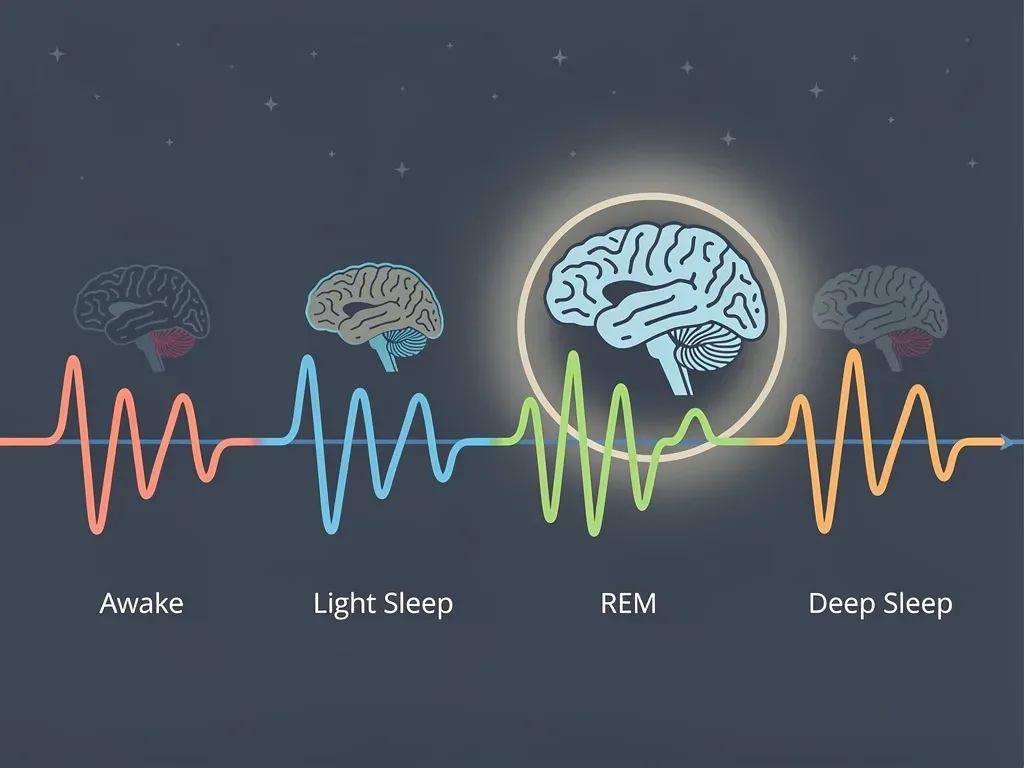
Deep sleep, also known as slow-wave sleep (SWS), is arguably the most crucial stage of the sleep cycle for physical and mental restoration. During this phase, our brain activity slows significantly, and our bodies engage in vital repair and regeneration processes. It's when growth hormone is released, tissues are repaired, and energy stores are replenished. Moreover, deep sleep plays a critical role in memory consolidation and learning, helping us process and store information from the day.
The impact of sufficient deep sleep extends beyond mere rest; it influences our cognitive function, emotional regulation, and overall physical health. When deep sleep is compromised, we often feel sluggish, irritable, and struggle with concentration.
Physical repair and growth
During deep sleep, the body undergoes extensive repair work. Muscle tissue is rebuilt, cellular regeneration accelerates, and the immune system is strengthened. This is why a good night's sleep is often prescribed for recovery from illness or injury. The release of human growth hormone (HGH) is at its peak during SWS, facilitating these restorative processes.
Without adequate deep sleep, these vital functions are hampered, leading to slower recovery times, weakened immunity, and an overall decline in physical vitality. It's a non-negotiable component of health.
Cognitive function and memory consolidation
Beyond physical restoration, deep sleep is a powerhouse for brain health. It's the stage where memories are transferred from short-term to long-term storage, a process critical for learning and retaining new information. The brain also clears out metabolic waste products during this time, a process essential for preventing neurodegenerative diseases.
- Deep sleep enhances declarative memory.
- It helps clear amyloid-beta, a protein linked to Alzheimer's.
- Sufficient SWS improves problem-solving skills.
- Lack of deep sleep impairs decision-making and creativity.
Emotional regulation and mental well-being
The restorative power of deep sleep also extends to our emotional state. Adequate SWS helps regulate mood, reduce stress, and improve emotional resilience. When we are deprived of deep sleep, we are more prone to irritability, mood swings, and difficulty managing stress.
It acts as a reset button for our emotional circuits, allowing us to face the next day with a clearer mind and a more balanced perspective. Prioritizing deep sleep is thus an investment in our mental fortitude.
In conclusion, deep sleep is not merely a component of rest but a fundamental pillar of our health, impacting every aspect of our physical and mental well-being. Protecting and enhancing this sleep stage is paramount.
The 34% deep sleep boost: what the numbers mean
The statistic that cutting screen time 90 minutes before bed can boost deep sleep by 34% is a compelling testament to the power of digital satiety rules. This isn't just a marginal improvement; it represents a significant enhancement in the most restorative phase of sleep. A 34% increase can translate into profound benefits for an individual's daily functioning, long-term health, and overall quality of life.
To put this into perspective, if someone typically gets two hours of deep sleep, a 34% increase would mean an additional 40 minutes of this vital restorative sleep. This additional time can make a noticeable difference in how refreshed and energized one feels upon waking.
Quantifying the improvement in sleep architecture
The 34% figure is derived from studies that meticulously measure sleep stages using polysomnography, a comprehensive sleep study that records brain waves, oxygen levels, heart rate, breathing, and eye and leg movements. These studies objectively demonstrate the shift in sleep patterns when screen use is limited before bed.
The increase in deep sleep often comes at the expense of lighter sleep stages or reduced sleep latency (the time it takes to fall asleep). This rebalancing of sleep architecture means more efficient and higher-quality rest.
- Polysomnography is the gold standard for sleep measurement.
- Increased SWS correlates with better daytime alertness.
- Improvements are noted across various age groups.
- Consistent adherence amplifies the positive effects.
Real-world impact on daily life
What does a 34% boost in deep sleep actually feel like in daily life? It means waking up feeling genuinely rested, with less grogginess and more sustained energy throughout the day. Cognitive functions like focus, problem-solving, and memory are sharper. Emotional resilience is enhanced, making it easier to navigate daily stressors.
Long-term, this improvement can contribute to a stronger immune system, better metabolic health, and a reduced risk of chronic diseases. It's a powerful argument for making a conscious effort to disconnect before drifting off.
Ultimately, the 34% deep sleep boost isn't just a number; it's a measurable pathway to a healthier, more vibrant life, underscoring the critical importance of digital satiety for optimal rest.
Implementing digital satiety rules effectively
Adopting digital satiety rules requires more than just knowing the benefits; it demands a conscious and consistent effort to change long-ingrained habits. The 90-minute screen-free window before bed is a powerful starting point, but integrating it effectively into your routine involves practical strategies and a commitment to prioritizing sleep. It's about creating a conducive environment for rest, both physically and mentally.
This transition might feel challenging at first, given our reliance on devices, but the long-term gains in sleep quality and overall well-being are well worth the initial effort. Consistency is key to establishing new, healthier patterns.

Creating a pre-sleep routine
The 90 minutes leading up to bedtime should be dedicated to calming activities that signal to your body and mind that it's time to wind down. This can include reading a physical book, listening to soothing music, practicing gentle stretching or yoga, or engaging in light conversation with family members. The goal is to replace screen time with activities that promote relaxation and reduce mental stimulation.
Establishing a consistent routine helps reinforce the body's natural sleep cues, making it easier to fall asleep and stay asleep. This predictability helps regulate your circadian rhythm.
Practical tips for disconnecting
Making the switch from screen-gazing to sleep-prepping requires deliberate action. Start by setting alarms on your phone to remind you when the 90-minute digital detox period begins. Designate a 'charging station' outside your bedroom to avoid the temptation of late-night scrolling. Inform family or friends about your new routine to gain their support and understanding.
- Set a 'digital curfew' and stick to it.
- Charge devices outside the bedroom.
- Explore alternative evening activities.
- Communicate your new boundaries to others.
Managing the urge to check devices
The urge to check notifications or browse online can be strong, especially initially. To combat this, consider turning off notifications for non-essential apps during your digital detox period. Remind yourself of the profound benefits you're working towards, such as improved deep sleep and better overall health. Over time, the habit will become easier to maintain.
Patience and self-compassion are important during this adjustment phase. Celebrate small victories and don't be discouraged by occasional slip-ups. The journey to better sleep is a continuous one.
In essence, successfully implementing digital satiety rules involves a holistic approach: creating a relaxing pre-sleep routine, employing practical disconnection strategies, and actively managing the temptation to engage with screens. These steps collectively pave the way for significantly improved sleep.
Beyond sleep: extended benefits of digital satiety
While the profound impact on deep sleep is a primary motivator for adopting digital satiety rules, the benefits extend far beyond the bedroom. Disconnecting from screens, especially in the evening, can positively influence various aspects of our physical, mental, and emotional health. It fosters a greater sense of presence, reduces stress, and strengthens real-world connections, contributing to a more balanced and fulfilling life.
This intentional reduction in digital consumption allows for a recalibration of our attention and priorities, leading to unexpected improvements in daily well-being and productivity. It's a holistic approach to modern living.
Improved mental clarity and focus
Reducing screen time, particularly before bed, gives our brains a much-needed break from constant stimulation. This can lead to improved mental clarity, enhanced focus, and better cognitive performance during waking hours. Our minds are less cluttered with digital noise, allowing for deeper concentration and creative thought.
The absence of constant notifications and information overload can significantly reduce mental fatigue, making it easier to tackle complex tasks and maintain attention.
Reduced stress and anxiety
The digital world, with its endless news cycles, social comparisons, and work emails, can be a significant source of stress and anxiety. Implementing digital satiety rules creates a buffer zone, allowing us to disengage from these stressors before bed. This intentional disconnection can lower cortisol levels, promote relaxation, and reduce feelings of overwhelm.
- Less exposure to negative news cycles.
- Reduced social media comparison pressures.
- More time for calming, stress-reducing activities.
- Improved emotional regulation from better sleep.
Enhanced real-world connections
When screens are put away, we naturally create more space for genuine human interaction. This can mean more quality time with family, deeper conversations with partners, or simply more moments of present connection with those around us. Strengthening these real-world bonds is vital for emotional well-being and combating feelings of isolation often exacerbated by excessive digital use.
It encourages engagement with our immediate environment and the people in it, fostering a sense of community and belonging that digital interactions often cannot replicate.
In conclusion, the practice of digital satiety offers a cascade of benefits that permeate every aspect of life. From sharper minds to calmer spirits and stronger relationships, disconnecting from screens is an investment in a richer, more balanced existence.
Addressing common challenges and maintaining consistency
Adopting any new habit, especially one that challenges deeply ingrained behaviors like screen use, comes with its own set of challenges. The initial enthusiasm for digital satiety rules might wane, and the temptation to revert to old patterns can be strong. However, understanding these common hurdles and developing strategies to overcome them is crucial for maintaining consistency and reaping the long-term benefits of improved sleep and overall well-being.
It's important to approach this change with patience and self-awareness, recognizing that progress is often gradual rather than instantaneous. Resilience in the face of setbacks is key.
Overcoming digital dependence
Many people experience a form of digital dependence, feeling an urge to constantly check their devices. Breaking this cycle requires conscious effort and alternative coping mechanisms. Identify the triggers that make you reach for your phone—is it boredom, stress, or a habit? Once identified, replace the urge with a non-screen activity, such as journaling, listening to a podcast, or engaging in a hobby.
Gradually extending the screen-free period can also help ease into the habit, rather than attempting a drastic change overnight. Small, consistent steps lead to lasting change.
Dealing with social and professional pressures
In a world that often demands constant availability, setting boundaries around screen time can sometimes feel challenging due to social or professional pressures. Communicate your new digital satiety rules to colleagues and friends, explaining the health benefits you're seeking. Set expectations about response times, letting others know you'll respond to non-urgent messages in the morning.
- Inform close contacts about your digital curfew.
- Set an 'out of office' reply for late-night emails.
- Prioritize urgent communications during the day.
- Encourage friends to join your digital detox challenge.
Strategies for long-term adherence
To ensure digital satiety rules become a sustainable lifestyle change, integrate them into your broader wellness routine. This could involve creating a 'tech-free zone' in your home, regularly reviewing your screen time habits, and celebrating milestones. Find an accountability partner who also wants to reduce screen time before bed, offering mutual support and encouragement.
Continuously remind yourself of the tangible benefits you've experienced, such as better sleep, improved mood, and increased energy. This positive reinforcement can be a powerful motivator for long-term adherence.
Ultimately, maintaining consistency with digital satiety rules involves a proactive approach to managing digital dependence, navigating external pressures, and embedding these practices into your daily life for sustained well-being.
| Key Point | Brief Description |
|---|---|
| Screen Time Impact | Blue light from screens suppresses melatonin, delaying sleep and reducing sleep quality. |
| The 90-Minute Rule | Cutting screen time 90 minutes before bed allows natural melatonin production and circadian rhythm alignment. |
| Deep Sleep Boost | Adhering to digital satiety rules can increase deep sleep by 34%, enhancing physical and mental restoration. |
| Holistic Benefits | Beyond sleep, benefits include improved focus, reduced stress, and stronger real-world connections. |
Frequently asked questions about digital satiety and sleep
What exactly are digital satiety rules?▼Digital satiety rules refer to intentionally limiting and managing your exposure to digital devices, especially during critical periods like before bedtime. The core idea is to achieve a 'satiated' state with digital content, preventing overconsumption that can negatively impact health and well-being, particularly sleep quality.
Why 90 minutes specifically for cutting screen time?▼The 90-minute window is scientifically supported because it allows sufficient time for the body's natural melatonin production to increase without blue light interference. This duration helps re-synchronize your circadian rhythm, preparing your brain and body for a smoother transition into sleep and optimizing deep sleep cycles.
Can blue light filters on devices help?▼While blue light filters and 'night mode' settings on devices can reduce some blue light exposure, they are not a complete substitute for completely abstaining from screens. The mental stimulation from engaging with content can still keep your brain active, even if the light is warmer. Complete disconnection is generally more effective.
What activities can replace screen time before bed?▼Instead of screens, consider relaxing activities like reading a physical book, listening to calming music or podcasts, journaling, gentle stretching or yoga, meditating, or engaging in quiet conversation with family. The goal is to choose activities that promote relaxation and mental unwinding.
How long does it take to see results in sleep quality?▼Many individuals report noticeable improvements in sleep quality within a few days to a week of consistently applying digital satiety rules. The full 34% deep sleep boost, however, may take a few weeks as your body fully adjusts and your circadian rhythm recalibrates. Consistency is the most important factor.
Conclusion
The journey to optimal sleep in our digitally saturated world begins with intentional choices. Embracing digital satiety rules, particularly the practice of cutting screen time 90 minutes before bed, is a powerful and scientifically validated strategy to significantly enhance deep sleep quality. The remarkable 34% boost in this restorative sleep phase translates into a cascade of benefits, from improved physical repair and cognitive function to enhanced emotional resilience and overall well-being. While challenges may arise in breaking old habits, the profound improvements in health and daily life make this commitment an invaluable investment. By prioritizing a screen-free wind-down routine, we not only reclaim our nights but also enrich our waking hours, paving the way for a healthier, more balanced existence.
