Dining in Darkness: Hype or Heightened Flavor Perception?
Advertisements
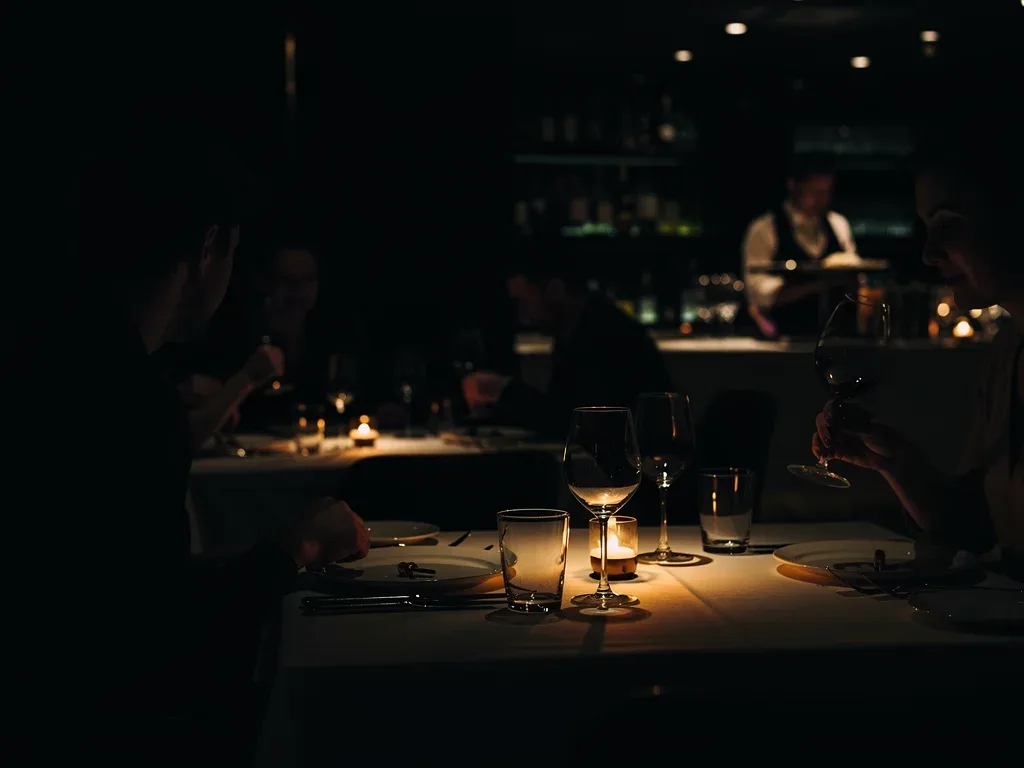
Dining in total darkness is touted to enhance flavor perception by up to 50%, a claim rooted in sensory science, challenging diners to rely solely on taste, smell, and touch, transforming a meal into a profound exploration of the senses.
Have you ever wondered if depriving one sense could heighten others? The concept of dining in darkness promises a revolutionary culinary experience, claiming to boost flavor perception by an astonishing 50%. But is this just a clever marketing gimmick, or is there genuine science behind the sensory shift?
The allure of dining in darkness: more than just a meal
Dining in total darkness is not merely about eating food; it's an immersive experience designed to challenge perceptions and awaken dormant senses. Without the dominant sense of sight, diners are forced to engage more deeply with their food, relying on taste, smell, touch, and even sound to navigate their meal. This unique approach transforms a routine activity into an adventure, promising a profound connection to the culinary art.
The trend, which originated in Zurich in the 1990s and gained international traction with establishments like Dans le Noir?, aims to strip away visual biases. Imagine savoring a dish without any preconceived notions based on its appearance. This absence of visual input is hypothesized to redirect cognitive resources, intensifying the remaining sensory experiences and potentially leading to a richer, more nuanced appreciation of flavors.
sensory deprivation and cognitive load
When we eat with our eyes, our brains are constantly processing visual information: the color of the food, its presentation, the size of the portion, and even the ambiance of the dining space. This visual input can significantly influence our expectations and, consequently, our perception of taste. By eliminating sight, the brain's cognitive load related to visual processing is dramatically reduced, freeing up resources.
- Enhanced focus: Without visual distractions, attention shifts entirely to the food.
- Reduced bias: Preconceived notions based on appearance are eliminated.
- Increased engagement: Diners actively engage other senses to identify ingredients.
- Memory formation: The novelty of the experience often leads to vivid memories.
This redirection of cognitive effort is a core tenet of the dark dining philosophy. It suggests that by not seeing what you eat, you truly begin to taste it, smell it, and feel its texture in a way that is often overlooked in traditional dining settings. The experience is not just about the food itself, but about the journey of discovery through non-visual cues.
Ultimately, the allure of dark dining lies in its promise of an altered reality, a temporary escape from the visual-centric world we inhabit. It's an invitation to explore the familiar in an unfamiliar way, fostering a deeper appreciation for the intricate dance of flavors and textures that often go unnoticed. This heightened awareness is what many seek when they venture into the darkness for a meal.
The science behind heightened flavor perception
The claim of a 50% increase in flavor perception in dark dining environments is a bold one, and it warrants a deeper look into the scientific mechanisms at play. Our perception of flavor is a complex interplay of multiple senses, primarily taste and smell, but also texture (touch), temperature, and even sound. When one sense is removed, the brain attempts to compensate by amplifying the input from the remaining senses.
Neuroscientific studies suggest that the brain reallocates neural resources to processing non-visual information when sight is absent. This phenomenon, known as cross-modal plasticity, means that areas of the brain typically involved in visual processing might become more responsive to auditory, tactile, or olfactory stimuli. In the context of dining, this could translate to a more intense and detailed experience of taste and aroma.
olfactory and gustatory pathways
The human nose can detect thousands of different odors, and these olfactory cues are intrinsically linked to our perception of taste. Without visual information to guide us, our brains rely more heavily on the intricate dance between our olfactory and gustatory systems. The aromas rising from the plate become paramount, providing crucial information about the food's identity and quality.
- Rethinking taste buds: While taste buds detect basic tastes (sweet, sour, salty, bitter, umami), smell contributes significantly to flavor complexity.
- Retronasal olfaction: Aromas perceived when food is in the mouth and exhaled through the nose play a huge role in flavor.
- Sensory integration: The brain combines taste and smell signals to create a holistic flavor profile.
The absence of visual information also encourages a more deliberate approach to eating. Diners tend to chew more slowly, allowing more time for retronasal olfaction to occur and for taste receptors to fully engage. This mindful eating can naturally enhance the perception of flavors, as the brain has more time to process and integrate the sensory inputs.

Furthermore, the psychological aspect cannot be ignored. The novelty and slight apprehension of dining in darkness can heighten arousal, which in turn can make sensory experiences more vivid. This combination of neurological compensation and psychological enhancement contributes to the reported intensification of flavor, making the 50% claim, while perhaps an average, plausible for many individuals.
Psychological impact and expectation bias
Beyond the purely physiological aspects, the psychological impact of dining in darkness plays a significant role in shaping the overall experience and, crucially, the perception of flavor. Our expectations, biases, and emotional state can profoundly influence how we interpret sensory information. In a dark dining setting, these psychological factors are amplified, contributing to the unique and often memorable nature of the meal.
The element of surprise is a powerful psychological tool employed in dark dining. Diners are often unaware of what they are eating until they taste it, which removes any preconceived notions based on visual appeal or ingredient lists. This creates a sense of adventure and discovery, making the experience more engaging and exciting. The brain, freed from visual confirmation, actively seeks other cues to identify and understand the food.
the power of suggestion and anticipation
The very concept of dining in darkness often comes with the suggestion that flavors will be enhanced. This expectation, consciously or subconsciously, can lead to a self-fulfilling prophecy. When diners anticipate a heightened sensory experience, their brains are primed to focus more intensely on taste and smell, potentially leading them to perceive nuances they might otherwise miss.
- Placebo effect: The belief that the experience will be better can genuinely make it so.
- Novelty effect: The unusual nature of the setting creates a memorable and exciting experience.
- Emotional connection: Sharing a unique, slightly challenging experience can foster stronger social bonds.
Moreover, the absence of visual distractions can foster a deeper connection with dining companions. Conversations often become more intimate and focused, as diners rely on auditory cues and verbal communication. This social aspect, combined with the shared novelty, can elevate the overall enjoyment and positive emotional response to the meal, further influencing flavor perception.
The slight discomfort or vulnerability experienced in complete darkness can also contribute to a heightened state of awareness. This mild stress can sharpen the senses, making diners more attuned to subtle flavors and textures. Therefore, while scientific mechanisms undoubtedly play a part, the psychological framework of expectation, novelty, and social interaction is equally crucial in understanding why dining in darkness can feel so impactful.
Navigating the dark: challenges and adaptations
Dining in total darkness presents a unique set of challenges that require diners to adapt quickly and rely on senses they might typically take for granted. From finding cutlery to distinguishing between different food items on the plate, the experience demands a new level of awareness and coordination. These challenges, while initially daunting, are an integral part of what makes dark dining so intriguing and rewarding.
One of the most immediate challenges is simply locating and manipulating utensils and food. Without sight, diners must use touch to identify forks, knives, and glasses. This often leads to a more tactile exploration of the plate, as fingers become extensions of the eyes. Servers, who are typically visually impaired themselves or expertly trained, play a crucial role in guiding diners and ensuring a smooth experience, offering verbal cues and assistance.
tactile exploration and spatial awareness
The texture of food takes on new importance in the dark. A crunchy vegetable, a smooth sauce, or a chewy piece of meat becomes a primary identifier. Diners might find themselves using their hands more than usual to explore the different components of their meal, an act that is often discouraged in traditional dining but embraced in the darkness.
- Utensil navigation: Learning to locate and use cutlery by feel alone.
- Food identification: Relying on texture, shape, and temperature to distinguish dishes.
- Spillage prevention: Increased caution and slower movements to avoid accidents.
Spatial awareness also becomes critical. Diners must mentally map out their plate, remembering where each item is placed. This cognitive exercise further engages the brain, contributing to the overall heightened sensory experience. The sounds of other diners, the clinking of glasses, and the rustling of clothes also become more pronounced, forming a unique auditory landscape that complements the meal.
Ultimately, adapting to dining in darkness is a journey of sensory recalibration. It forces individuals to step outside their comfort zone and trust their non-visual senses, leading to a deeper appreciation for the complex ways in which we interact with our environment and, specifically, our food. This adaptation is not just about overcoming obstacles; it's about unlocking new dimensions of sensory perception.
The culinary aspect: what chefs create for the dark
For chefs, designing a menu for a dark dining experience presents a fascinating challenge and an opportunity for immense creativity. The absence of visual presentation means that dishes must excel purely on their taste, aroma, and texture. This forces chefs to think beyond aesthetics and focus on the fundamental elements that make food truly delicious and engaging for the non-visual senses.
Chefs often select ingredients with distinct and recognizable flavors, aromas, and textures that can stand out without visual cues. Strong, aromatic herbs, spices, and ingredients with interesting mouthfeels become particularly important. The goal is to create a symphony of sensations that can be fully appreciated through taste, smell, and touch alone, ensuring each bite is a discovery.
focus on texture and aroma
Texture becomes a paramount consideration. A dish might incorporate a variety of textures—crispy, creamy, chewy, smooth—to provide a diverse and engaging experience. The contrast between these textures can be more pronounced in the dark, adding another layer of complexity to the meal. Similarly, aromas are carefully chosen to be evocative and informative, guiding the diner through the culinary journey.
- Aromatic ingredients: Use of strong herbs, spices, and citrus to stimulate smell.
- Textural contrasts: Combining crunchy with soft, smooth with coarse for sensory interest.
- Temperature variations: Incorporating warm and cool elements in a single dish.
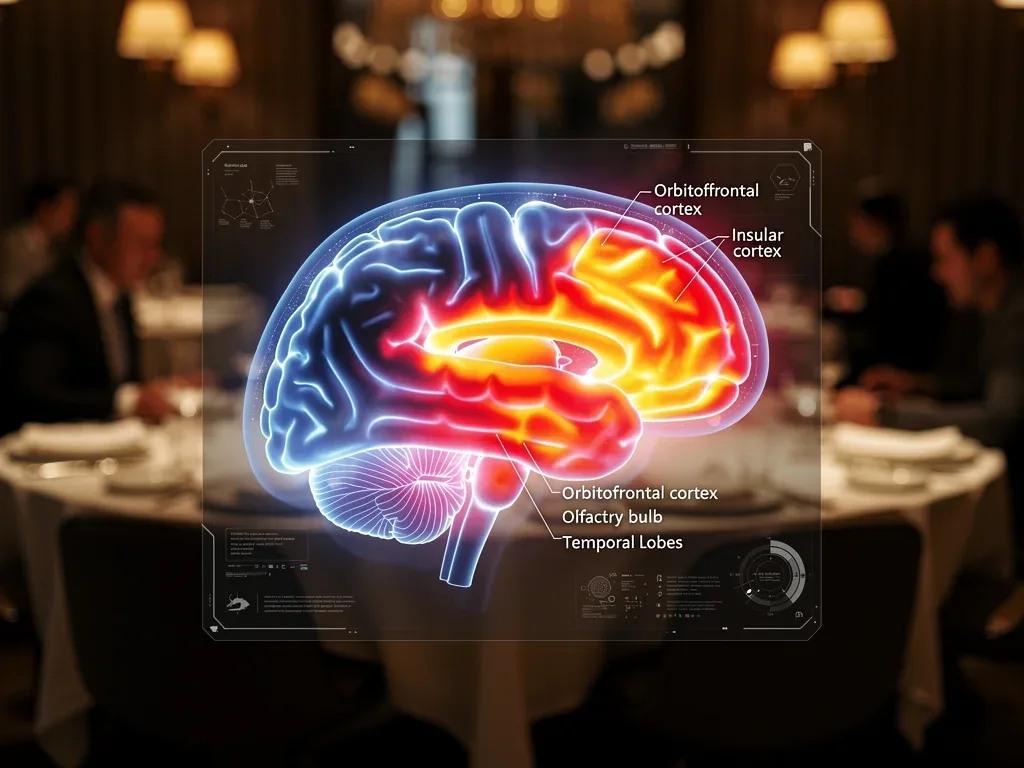
The element of surprise is also integrated into the menu design. Often, diners are not told what they are eating until after the meal, or they are given only vague descriptions. This encourages them to guess and analyze each ingredient, turning the meal into a playful guessing game. This interactive element further enhances the engagement and memorability of the dining experience.
Ultimately, dark dining pushes chefs to innovate and reconsider the very essence of food. It's about crafting dishes that tell a story through non-visual means, proving that a truly great meal transcends mere appearance. The culinary creations for the dark are a testament to the power of fundamental flavors and textures, designed to captivate and delight the senses in a profoundly unique way.
Is the 50% claim an exaggeration or a reality?
The assertion that dining in darkness can lead to a 50% higher flavor perception is often quoted, but its precise scientific validation remains a topic of discussion. While anecdotal evidence and psychological studies strongly support the idea of heightened sensory experiences, quantifying such an increase with a definitive percentage is complex. The reality likely lies somewhere between a measurable sensory shift and a powerful psychological effect.
From a scientific standpoint, the brain's ability to reallocate resources and the increased focus on non-visual cues certainly contribute to a more intense experience. Studies on sensory compensation have shown that when one sense is deprived, others can indeed become more acute. This neurological phenomenon provides a solid basis for the claim that flavors are perceived more strongly.
subjectivity of sensory perception
However, sensory perception is inherently subjective. What one person perceives as a 50% increase, another might experience as a 20% increase, or simply a different quality of perception. Factors such as individual sensitivity to taste and smell, prior dining experiences, and even mood can all influence how flavors are interpreted in the dark. Therefore, a universal 50% increase might be an oversimplification of a highly personal experience.
- Individual variations: Sensory acuity differs greatly among people.
- Psychological priming: Expectations can strongly influence perceived intensity.
- Measurement challenges: Quantifying subjective sensory experiences is difficult.
The marketing appeal of a quantifiable figure like '50% higher flavor perception' is undeniable. It creates a clear, compelling reason for people to try the experience. While it may not be a precise scientific measurement for every individual, it effectively communicates the core promise of dark dining: a significantly enhanced and unique culinary journey.
In conclusion, while the '50% higher' figure might serve as an effective marketing tool and a general indicator of the enhanced experience, it's more accurate to view dark dining as a powerful catalyst for sensory exploration. It undeniably intensifies the focus on taste, smell, and texture, leading to a richer and more memorable appreciation of food, even if the exact percentage varies from person to person. The hype, therefore, is rooted in a real and impactful sensory shift.
The overall experience: more than just food
Dining in darkness transcends the mere act of eating; it's a holistic experience that engages multiple facets of our being, from our sensory systems to our emotional and social interactions. It's an opportunity to step outside the ordinary, challenge our perceptions, and discover new dimensions of appreciation for food and companionship. The impact of such an experience often lingers long after the meal is over.
The initial apprehension of entering a completely dark room quickly gives way to curiosity and a sense of adventure. This transition is a key part of the experience, as diners learn to trust their other senses and the guidance of their servers. The shared vulnerability among guests often fosters a unique camaraderie, leading to animated conversations and laughter as they collectively navigate the unknown.
fostering connection and mindfulness
Without the visual distractions of phones, elaborate decor, or even the faces of their companions, diners are encouraged to be fully present in the moment. This forced mindfulness can lead to a deeper connection with the food, the people they are with, and even with themselves. The focus shifts from external appearances to internal sensations and genuine interaction.
- Enhanced social bonding: Shared unique experience strengthens connections.
- Mindful eating: Focus on sensory details promotes slower, more deliberate consumption.
- Self-discovery: Challenging perceptions reveals new aspects of sensory awareness.
The memories created during a dark dining experience are often vivid and distinct precisely because of its unusual nature. It's not just a meal; it's a story to tell, an adventure to recount. This lasting impression is a testament to the power of sensory deprivation as a tool for enhancing other aspects of human experience.
Ultimately, dark dining offers a profound lesson in perception. It teaches us that much of what we experience is filtered through our dominant senses and that by temporarily removing one, we can unlock a richer, more nuanced understanding of the world around us. It's a testament to human adaptability and the incredible plasticity of our brains, making it an experience well worth exploring for anyone seeking something truly different.
| Key Aspect | Brief Description |
|---|---|
| Sensory Compensation | Brain reallocates resources from sight to other senses like taste and smell, intensifying them. |
| Psychological Impact | Expectation, novelty, and mindful eating enhance perceived flavor and overall enjoyment. |
| Culinary Innovation | Chefs focus on distinct textures, aromas, and flavors to create engaging dishes without visual cues. |
| Overall Experience | More than just food, it's a unique social, emotional, and introspective journey. |
Frequently asked questions about dark dining
How does dining in darkness enhance flavor perception?▼By removing visual cues, the brain reallocates cognitive resources, intensifying focus on taste and smell. This sensory compensation, combined with mindful eating and reduced visual bias, leads to a heightened appreciation of food's nuances.
Is the 50% higher flavor perception claim scientifically proven?▼While scientific studies support sensory compensation and heightened awareness, the 50% figure is often a generalized estimate. Individual experiences vary, and psychological factors like expectation play a significant role in perceived enhancement. It's more of a powerful indicator than a precise measurement.
What kind of food is served in dark dining restaurants?▼Chefs design menus focusing on distinct flavors, aromas, and textures. Dishes often incorporate contrasting elements to engage touch and smell, as visual presentation is irrelevant. Ingredients are chosen for their intrinsic sensory appeal rather than appearance.
What are the main challenges for diners in the dark?▼Challenges include locating cutlery, identifying food items by touch and smell, and navigating the table. Diners adapt by relying more on their tactile and auditory senses, often with assistance from trained servers, making it part of the unique adventure.
Is dark dining suitable for everyone, especially those with anxiety?▼While many find it exciting, some individuals, especially those prone to claustrophobia or anxiety in enclosed spaces, might find the experience challenging. It's advisable to consider personal comfort levels before booking. Most venues prioritize guest comfort and safety.
Conclusion
The phenomenon of dining in total darkness is far more than a fleeting trend; it's a compelling exploration into the intricate relationship between our senses, perception, and the profound act of eating. While the claim of a '50% higher flavor perception' may serve as an effective marketing hook, it points to a very real and scientifically supported shift in how our brains process sensory information when one dominant sense is removed. This unique culinary journey encourages diners to engage with food on a deeper, more mindful level, fostering an appreciation for taste, aroma, and texture that is often overshadowed by visual cues in conventional dining. Beyond the plate, it offers an opportunity for enhanced social connection, introspection, and a memorable adventure that challenges our everyday perceptions. Ultimately, dark dining stands as a testament to the brain's remarkable adaptability and our incredible plasticity of our brains, making it an experience well worth exploring for anyone seeking to awaken their palate and expand their culinary horizons.
