Gen Z Feeds: 5 Micro-Trends Breaking Algorithmic Monoculture
Advertisements
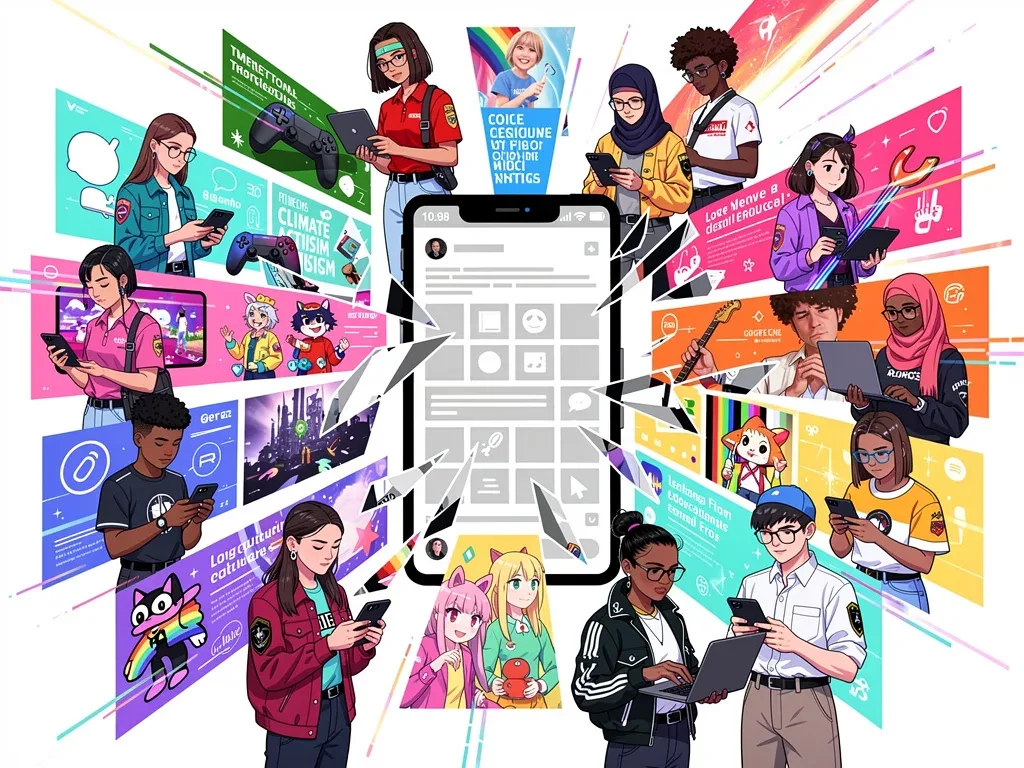
Gen Z is actively breaking away from algorithmic monoculture, fostering diverse online feeds through five distinct micro-trends that prioritize authenticity, niche communities, and personalized digital experiences over homogenized content.
The digital landscape is undergoing a profound transformation, spearheaded by Gen Z. We're witnessing the death of algorithmic monoculture: 5 micro-trends dividing Gen Z feeds right now, fundamentally reshaping how content is consumed and created. This generation, fluent in digital natives, is increasingly rejecting the homogenized content pushed by traditional algorithms, opting instead for highly personalized, niche, and authentic online experiences. What does this mean for the future of social media and online interaction?
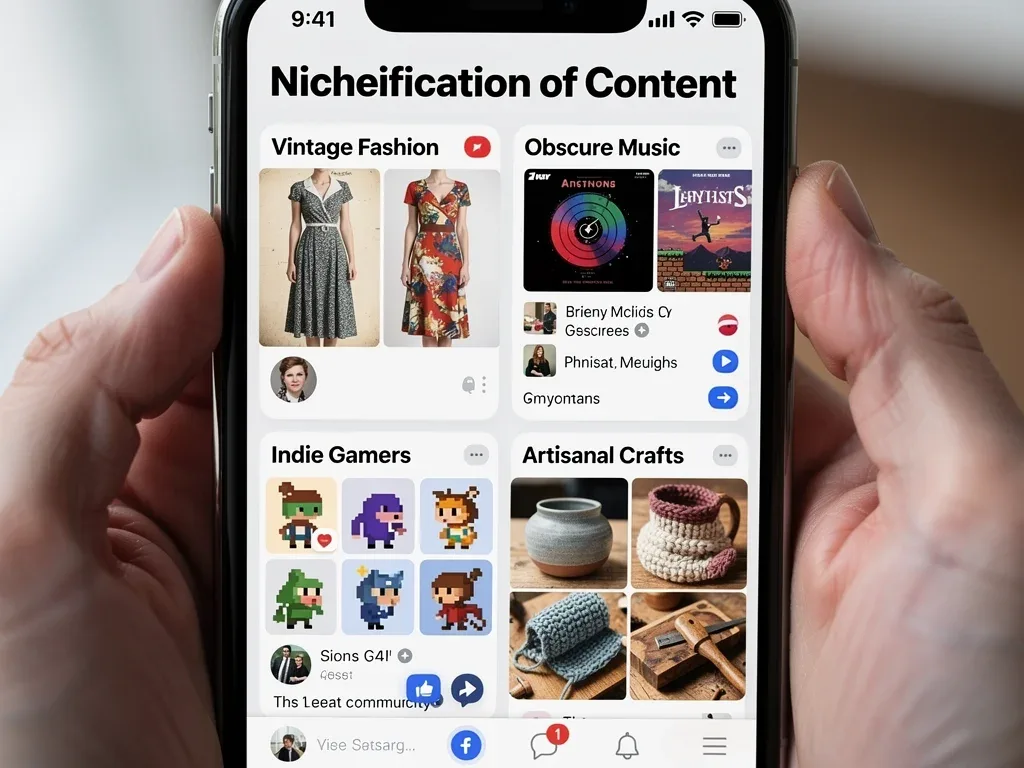
The rise of nicheification and hyper-specific communities
Gen Z's digital behavior is characterized by a strong gravitation towards niche content and hyper-specific online communities, a direct counter-movement to the broad appeal once favored by algorithms. This isn't just about finding like-minded individuals; it's about deep dives into very particular interests that mainstream platforms often overlook. These communities offer a sense of belonging and understanding that generic content streams simply cannot replicate.
This micro-trend is fueled by a desire for authenticity and a rejection of the superficial. Users are no longer content with passively consuming whatever the algorithm dictates; they are actively seeking out spaces where their unique passions are celebrated and explored in detail. From obscure historical facts to highly specific gaming strategies, the more niche, the better.
Exploring the 'Core' and 'Alt' communities
Within this nicheification, we see the emergence of 'core' and 'alt' communities. 'Core' refers to groups centered around a very specific interest, often with an almost academic level of detail and discussion. 'Alt' communities, on the other hand, often embrace counter-culture aesthetics and ideologies, providing a haven for those who feel marginalized by mainstream trends.
- Core Communities: Focus on deep dives into specific hobbies like rare vinyl collecting, vintage computing, or specialized art forms.
- Alt Communities: Embrace alternative fashion, music, and lifestyle choices, often with a strong emphasis on self-expression.
- Micro-influencers: These smaller creators are often the backbone of niche communities, providing authentic content that resonates deeply with their dedicated followers.
- Exclusive Platforms: Many niche communities thrive on platforms that facilitate more intimate interactions, moving away from the sprawling nature of larger social networks.
The implications of this shift are vast. Brands and content creators can no longer rely solely on mass appeal; they must understand and engage with these fragmented audiences on their own terms. This requires a more granular approach to content strategy, focusing on genuine value and relevance within these specific contexts. The era of one-size-fits-all content is rapidly fading, replaced by a mosaic of diverse interests.
De-influencing and the pursuit of genuine recommendations
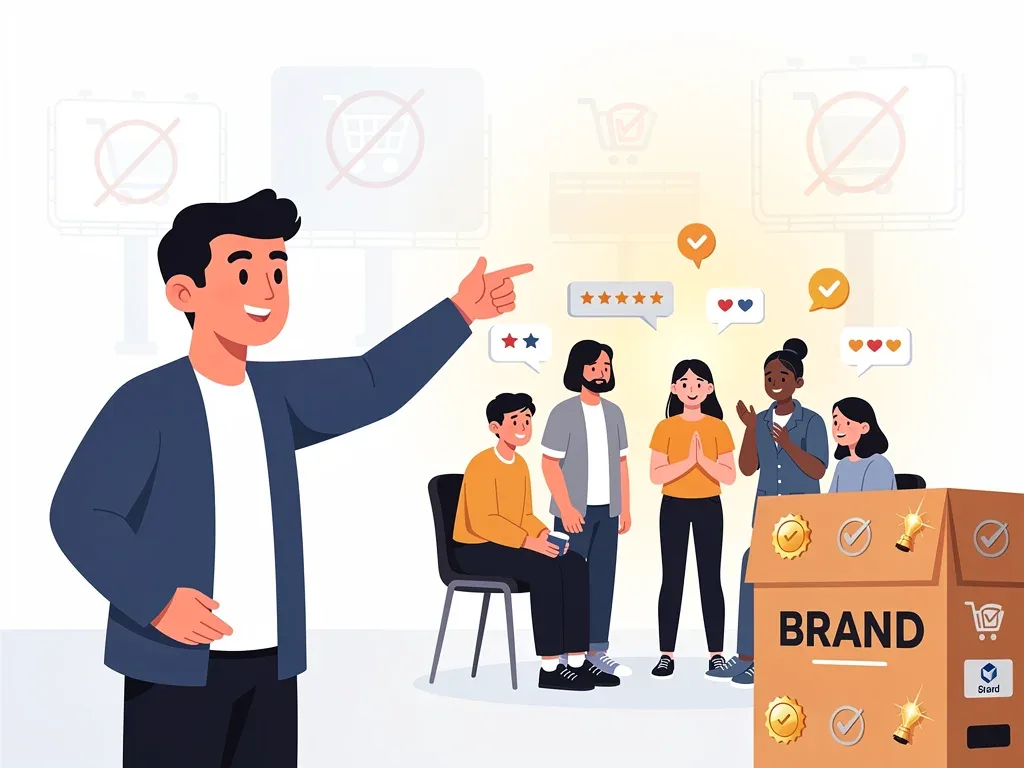
A significant micro-trend gaining traction among Gen Z is 'de-influencing,' a direct response to the oversaturation of sponsored content and the perceived inauthenticity of traditional influencer marketing. Instead of promoting products, de-influencers actively advise against certain purchases, share honest critiques, and highlight genuinely valuable alternatives. This movement is rooted in a deep skepticism towards corporate endorsements and a strong preference for transparency.
Gen Z values authenticity above all else. They are adept at spotting inauthentic endorsements and are increasingly seeking out voices that prioritize consumer welfare and genuine experience over commercial gain. This shift is forcing brands to rethink their marketing strategies, moving away from purely transactional relationships with influencers towards more organic and trust-based collaborations.
The impact on consumer trust and brand perception
The de-influencing trend has profound implications for consumer trust. When a trusted voice advises against a product, it carries significant weight, often more so than dozens of positive sponsored reviews. This highlights Gen Z's desire for unfiltered information and a collective effort to combat misleading marketing.
- Authenticity over Aspiration: Gen Z prioritizes real experiences and honest opinions over curated, aspirational lifestyles.
- Critical Consumption: They are highly critical consumers, often researching products extensively and seeking multiple perspectives before making a purchase.
- Community-driven Choices: Decisions are increasingly influenced by discussions within their trusted online communities rather than broad advertising campaigns.
- Ethical Considerations: De-influencing often extends to ethical considerations, questioning the sustainability or labor practices behind products.
This trend is not just about criticizing products; it’s about empowering consumers to make informed decisions. It fosters a culture of shared knowledge and collective discernment, effectively decentralizing influence and placing more power in the hands of the community. Brands that embrace transparency and genuinely good products will thrive in this environment, while those relying on superficial marketing may struggle.
The resurgence of long-form and serialized content
While often stereotyped as having short attention spans, Gen Z is paradoxically driving a resurgence in long-form and serialized content. This isn't about traditional television; it's about deep dives into topics, intricate storytelling, and extended narratives delivered across various digital platforms. Podcasts, multi-part video essays, detailed blog series, and even long-form textual content are finding new life with this generation.
This trend speaks to a desire for deeper engagement and a craving for substance beyond the fleeting nature of short-form content. When a topic genuinely captures their interest, Gen Z is willing to invest significant time in exploring it comprehensively. This content often builds a stronger connection between creator and audience, fostering loyalty and a sense of shared intellectual pursuit.
Understanding the appeal of extended narratives
The appeal lies in the ability to fully immerse oneself in a subject or story. Short-form content offers quick hits of information or entertainment, but long-form allows for nuance, complexity, and a more thorough understanding. It's a testament to Gen Z's intellectual curiosity and their capacity for sustained engagement when the content is truly compelling.
- Podcast Popularity: Long-form audio content allows for deep dives into specific topics, perfect for multitasking or commuting.
- Video Essays: YouTube creators producing detailed analyses on films, games, or cultural phenomena attract millions of views.
- Serial Storytelling: Platforms like Wattpad or even Twitter threads are used for unfolding complex narratives over time.
- Educational Content: In-depth tutorials and educational series are highly valued for skill development and knowledge acquisition.
This shift indicates that engagement isn't solely measured by quick views or likes, but by sustained attention and the depth of interaction. Content creators who can craft compelling, well-researched, and thoughtfully produced long-form pieces are increasingly finding dedicated audiences within Gen Z, proving that quality and substance can indeed triumph over fleeting virality.
The decentralization of social media and platform agnosticism
Gen Z's relationship with social media is marked by a growing decentralization and platform agnosticism. They are not beholden to any single platform; instead, they fluidly move between various apps and services, choosing the best tool for each specific type of interaction or content consumption. This fragmented approach stands in stark contrast to previous generations' loyalty to dominant platforms.
This behavior is driven by an understanding that different platforms serve different purposes. They might use TikTok for short-form entertainment, Discord for community discussions, Instagram for visual sharing with close friends, and Reddit for anonymous niche exploration. This strategic use of multiple platforms prevents any single algorithm from fully dictating their online experience.
Navigating a multi-platform digital ecosystem
For Gen Z, the internet is not a monolithic entity but a collection of specialized spaces. They are adept at navigating this complex ecosystem, understanding the unique cultural norms and content styles of each platform. This agility allows them to curate a highly personalized digital life, minimizing exposure to unwanted content and maximizing engagement with what truly matters to them.
- Discord for Community: Private servers offer spaces for deep, focused discussions away from public feeds.
- Reddit for Niche Information: Subreddits provide anonymous access to highly specific communities and knowledge bases.
- Specialized Apps: Dating apps, language exchange apps, or hobby-specific forums cater to very particular needs.
- Ephemeral Content: Snapchat or Instagram Stories are used for more casual, in-the-moment sharing with a select audience.
This decentralization presents both challenges and opportunities for brands and marketers. Reaching Gen Z requires a multi-platform strategy that respects the unique context of each space. A brand's presence on TikTok will differ significantly from its presence on LinkedIn or Discord, demanding tailored content and engagement strategies that resonate with the platform's specific audience and culture.
Authenticity and unfiltered self-expression
Perhaps the most overarching micro-trend driving the death of algorithmic monoculture is Gen Z's unwavering commitment to authenticity and unfiltered self-expression. Tired of perfectly curated feeds and aspirational facades, this generation is actively seeking and celebrating rawness, vulnerability, and genuine human experience online. This manifests in various ways, from 'dump' accounts to candid vlogs and a rejection of heavily edited visuals.
This push for authenticity is a direct rebellion against the pressure to conform to idealized digital personas. Gen Z understands that social media can be a performance, and they are consciously choosing to break free from that expectation, fostering spaces where they can be truly themselves, flaws and all. This creates a more relatable and trustworthy online environment.
The rise of 'real' over 'perfect'
The embrace of imperfection is a powerful statement against the polished, often unattainable standards set by earlier social media trends. It's about celebrating individuality and acknowledging the messiness of real life, rather than presenting a sanitized version for public consumption. This shift encourages deeper connections based on shared human experiences rather than manufactured ideals.
- 'Dump' Accounts: Secondary social media accounts used for sharing unedited photos and unfiltered thoughts with a close circle.
- Vulnerability in Content: Creators openly discussing mental health, personal struggles, and everyday challenges.
- DIY Aesthetics: A preference for homemade, less polished content that feels more genuine and relatable.
- Behind-the-Scenes: A strong interest in seeing the unglamorous reality behind creative processes or daily lives.
This emphasis on authenticity is not just a personal preference but a cultural imperative for Gen Z. It informs their choices in everything from the content they consume to the brands they support. Companies and creators who can genuinely connect with this desire for realness, and who are willing to be transparent and vulnerable, will find a highly engaged and loyal audience.
The 'main character' energy and personalized narratives
A fascinating micro-trend emerging within Gen Z feeds is the concept of 'main character' energy. This isn't about narcissism; rather, it’s about embracing one's own life as a unique and compelling narrative, often expressed through curated aesthetic videos, personal vlogs, and reflective content. It’s about finding beauty and significance in everyday moments and presenting them in a way that feels cinematic and deeply personal.
This trend encourages individuals to view their own experiences through a creative lens, turning mundane routines into artistic expressions. It’s a form of self-empowerment, where each individual is the protagonist of their own story, and their feed becomes a personal journal, a visual diary of their journey. This shifts the focus from external validation to internal appreciation of one's life.
Crafting a personal digital narrative
The 'main character' trend involves a conscious effort to frame one's life as a narrative, complete with character development, plot points, and aesthetic choices. This often includes selecting specific music, visual filters, and editing styles that evoke a particular mood or theme, transforming ordinary moments into something more meaningful and shareable.
- Aesthetic Vlogs: Short, visually appealing videos that romanticize everyday activities like making coffee or reading a book.
- Personal Soundtracks: Using specific songs or audio snippets to enhance the emotional tone of their content.
- Reflective Journaling: Sharing personal thoughts, feelings, and reflections in a candid, often vulnerable manner.
- Self-Discovery Journeys: Documenting personal growth, challenges, and achievements as part of an ongoing narrative.
This micro-trend highlights Gen Z's creativity and their desire to find personal meaning in their digital interactions. It’s a departure from the passive consumption of content, inviting active participation in the creation of one's own digital identity and story. For brands, understanding this desire for personalized narrative means offering tools and platforms that empower users to be creators, rather than just consumers.
The future of algorithmic curation: a more human approach
As Gen Z continues to shape the digital landscape, the future of algorithmic curation is likely to become far more nuanced and human-centric. The death of algorithmic monoculture isn't about the complete eradication of algorithms, but rather a demand for smarter, more responsive systems that understand and adapt to individual preferences for diversity and authenticity. This will require a significant evolution in how social media platforms function.
The current generation is pushing platforms to move beyond simple engagement metrics, urging them to prioritize content that genuinely enriches users' lives, fosters meaningful connections, and supports diverse voices. This shift demands algorithms that can recognize and promote niche interests, authentic interactions, and content that aligns with individual values, rather than just optimizing for maximum screen time.
Redefining engagement and value
The traditional metrics of likes, shares, and views are proving insufficient in capturing the true value Gen Z places on online interactions. They seek depth, relevance, and a sense of belonging. Future algorithms will need to incorporate more sophisticated measures of engagement, focusing on factors like time spent on meaningful content, active participation in niche communities, and the emotional resonance of shared experiences.
- Ethical AI: A demand for algorithms that are transparent, fair, and prioritize user well-being over profit.
- User-Controlled Feeds: Features that allow users greater control over what content they see and filter out.
- Support for Micro-Creators: Algorithms that boost diverse, smaller creators who produce high-quality, niche content.
- Contextual Relevance: A move towards algorithms that understand the context and sentiment of content, not just keywords.
Ultimately, the challenge for platforms and content creators will be to adapt to this evolving landscape. It's no longer enough to simply chase trends; one must understand the underlying values and motivations driving Gen Z's digital behavior. The future of online engagement lies in fostering genuine connection, celebrating diversity, and empowering users to shape their own digital worlds, free from the constraints of a single, all-encompassing algorithm.
| Micro-Trend | Brief Description |
|---|---|
| Nicheification | Gen Z gravitates towards highly specific interests and specialized online communities. |
| De-influencing | Rejection of sponsored content; preference for honest critiques and genuine recommendations. |
| Long-form Content | Resurgence of deep-dive podcasts, video essays, and serialized narratives. |
| Authenticity | Prioritizing unfiltered self-expression and real experiences over curated perfection. |
Frequently asked questions about Gen Z's digital trends
What is algorithmic monoculture?▼Algorithmic monoculture refers to a digital environment where social media algorithms promote a narrow range of popular content, leading to homogenized feeds and limited exposure to diverse perspectives or niche interests. It often results in similar trends and content dominating across many users' experiences.
How is Gen Z breaking away from it?▼Gen Z is breaking away by actively seeking niche communities, engaging in 'de-influencing,' consuming long-form content, utilizing multiple platforms strategically, and prioritizing authenticity. These actions collectively create more diverse and personalized digital experiences, moving beyond what mainstream algorithms typically push.
What is 'de-influencing' and why is it popular?▼'De-influencing' is a trend where creators advise against certain products or trends, offering honest critiques instead of promotions. It's popular because Gen Z values authenticity and transparency, distrusting heavily sponsored content and seeking genuine recommendations from trusted sources rather than traditional advertising.
Why is long-form content making a comeback with Gen Z?▼Despite stereotypes, Gen Z values deep dives into topics they are genuinely interested in. Long-form content like podcasts and video essays allows for more nuanced discussions and detailed storytelling, fulfilling a desire for substance and comprehensive understanding that short-form content often cannot provide.
How does authenticity define Gen Z's online behavior?▼Authenticity is a core value for Gen Z, leading them to reject curated perfection in favor of raw, unfiltered self-expression. They seek genuine connections and relatable content, often sharing personal vulnerabilities and embracing a 'real' aesthetic, which builds trust and fosters more meaningful online interactions.
Conclusion
The digital world is undeniably at a crossroads, with Gen Z leading the charge away from a uniform, algorithmically dictated online experience. The death of algorithmic monoculture isn't merely a fleeting trend; it represents a fundamental shift in how a generation interacts with and shapes the internet. By championing niche communities, demanding authenticity, embracing de-influencing, and valuing deep, personalized content, Gen Z is actively dismantling the old structures and building a more diverse, engaging, and human-centric digital landscape. This evolution challenges platforms and content creators alike to innovate and adapt, focusing on genuine connection and value to resonate with an with an audience that prioritizes realness over curated perfection. The future of online interaction will be defined by this rich tapestry of micro-trends, ensuring that individuality and diverse interests continue to thrive.