Micro-Community Platforms: Creators' Shift from Algorithm Feeds
Advertisements

Fifty-four percent of digital creators have transitioned from mainstream algorithm-driven applications to micro-community platforms, prioritizing authentic audience engagement and greater creative autonomy.
The digital landscape is constantly evolving, and a significant shift is underway: micro-community platforms are drawing creators away from the behemoth algorithm-driven apps that once dominated their strategies. Why are more than half of digital creators making this move? It's a compelling story of seeking genuine connection, control, and a sustainable future in the creator economy.
The Algorithm's Iron Grip: Why Mainstream Apps Fell Short
For years, mainstream social media platforms offered creators unparalleled reach. Their sophisticated algorithms promised to connect content with relevant audiences, fostering growth and opportunity. However, this promise often came with significant caveats that eventually led to widespread creator disillusionment.
The initial allure of viral reach and massive follower counts began to wane as creators faced increasing challenges. The very algorithms designed to boost content often became unpredictable gatekeepers, making it difficult to maintain consistent visibility or foster deep connections.
Unpredictable Reach and Monetization Challenges
One of the primary frustrations for digital creators on mainstream platforms was the erratic nature of algorithmic reach. Content that performed well one day might be suppressed the next, leaving creators scrambling to understand ever-changing rules. This unpredictability directly impacted their ability to build a stable income.
- Algorithm Changes: Frequent updates to platform algorithms often led to drastic drops in organic reach, forcing creators to rely on paid promotion.
- Content Demonetization: Many creators experienced arbitrary demonetization of their content, even when it adhered to community guidelines, impacting their livelihoods.
- Ad Revenue Instability: Reliance on ad revenue from mainstream platforms proved volatile, making long-term financial planning nearly impossible.
These challenges highlighted a fundamental power imbalance, with creators having little say in how their work was distributed or monetized. The lack of control over their own content's destiny became a major catalyst for seeking alternative solutions.
In essence, what started as a powerful tool for audience discovery evolved into a restrictive environment where creators felt at the mercy of opaque systems. This growing discontent laid the groundwork for a mass exodus towards more creator-centric models.
The Rise of Micro-Community Platforms: A New Paradigm
As mainstream platforms became less reliable, a new breed of digital spaces emerged: micro-community platforms. These platforms are built on principles fundamentally different from their algorithmic predecessors. They prioritize direct engagement, creator autonomy, and the fostering of niche, dedicated communities.
Instead of broad, impersonal feeds, micro-communities offer intimate environments where creators can connect deeply with their most passionate fans. This shift represents a move from quantity of reach to quality of engagement, a trade-off many creators are increasingly willing to make.
Defining Micro-Communities and Their Appeal
Micro-community platforms are online spaces designed for smaller, highly engaged groups centered around specific interests, creators, or topics. Think of them as digital clubhouses rather than bustling public squares. Their appeal lies in their ability to foster genuine interaction and belonging.
- Niche Focus: These platforms cater to specific interests, ensuring that members are genuinely invested in the content and discussions.
- Direct Creator-Audience Connection: Creators can interact directly with their audience without algorithmic interference, building stronger relationships.
- Sense of Belonging: Members often feel a stronger sense of community and shared identity, leading to more active participation.
This environment allows creators to cultivate a loyal fanbase that is not only supportive but also more likely to engage with and value their work. The shift from broad appeal to deep connection is a hallmark of this new digital era.
The appeal of these platforms extends beyond mere interaction; it's about creating a sustainable ecosystem where creators feel valued and in control. This newfound autonomy is a powerful draw for those who felt stifled by the mainstream.
Authentic Engagement Over Superficial Metrics
One of the most profound reasons for the creator shift is the pursuit of authentic engagement. Mainstream platforms often emphasize vanity metrics like likes and follower counts, which can be misleading and do not necessarily translate to genuine impact or community. Micro-community platforms, conversely, foster deeper, more meaningful interactions.
Creators are realizing that a smaller, highly engaged audience can be far more valuable than a massive, passive one. This quality-over-quantity approach leads to more impactful content creation and stronger, more supportive communities.
Fostering Deeper Connections
On micro-community platforms, the focus is less on broad broadcasting and more on direct, two-way communication. Creators can host exclusive Q&As, run polls, share behind-the-scenes content, and engage in direct message conversations, all of which build stronger bonds.
- Personalized Interactions: Creators can respond to comments and messages individually, making fans feel seen and heard.
- Exclusive Content Access: Offering unique content to community members creates a sense of privilege and strengthens loyalty.
- Collaborative Environment: Many micro-communities facilitate direct collaboration between creators and their audience, fostering co-creation.
This level of engagement contrasts sharply with the often-impersonal interactions on mainstream feeds, where comments can get lost in a deluge of activity. The ability to truly connect with fans is a powerful motivator for creators.
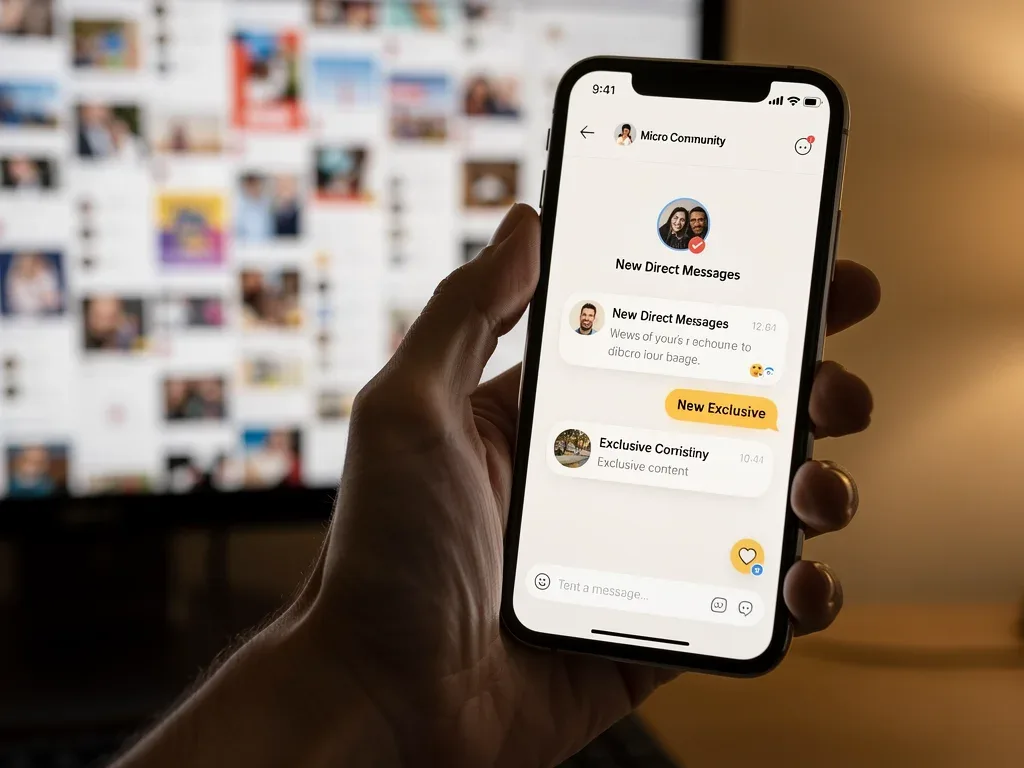
Furthermore, authentic engagement often translates into more sustainable monetization. When fans feel a strong connection to a creator, they are more likely to support them through subscriptions, merchandise purchases, or direct patronage. This direct support bypasses the unpredictable ad revenue models of mainstream platforms.
Greater Control and Direct Monetization Opportunities
The desire for greater control over their content, audience, and revenue streams is a critical factor driving creators to micro-community platforms. Mainstream apps often dictate terms, content guidelines, and monetization methods, leaving creators with limited autonomy. Micro-communities empower creators to build their own rules and financial models.
This autonomy is not just about financial stability; it's also about creative freedom. Creators can experiment with content formats, engage in discussions that might be stifled elsewhere, and build a brand entirely on their own terms, free from the constraints of platform algorithms or policies.
Diverse Monetization Strategies
Micro-community platforms typically offer a wider array of direct monetization tools, allowing creators to diversify their income and reduce reliance on a single revenue stream. This financial independence is incredibly appealing.
- Subscription Models: Creators can offer tiered subscriptions for exclusive content, early access, or direct interaction.
- Direct Sales: Many platforms integrate e-commerce functionalities, allowing creators to sell merchandise, digital products, or services directly to their community.
- Crowdfunding and Donations: Built-in features for crowdfunding or one-time donations provide additional avenues for community support.
By controlling their monetization, creators gain predictability and stability, which are often elusive on mainstream platforms. This shift from relying on platform-controlled ad revenue to direct fan support represents a significant evolution in the creator economy.
Moreover, the ability to own their audience data is a game-changer. Creators on micro-community platforms often have direct access to email lists and other contact information, ensuring they can reach their audience even if the platform itself changes or ceases to exist. This ownership fosters long-term sustainability and reduces platform dependency.
Building Resilience: Why Creators Value Platform Independence
The digital world is notoriously volatile. Platforms rise and fall, algorithms shift without warning, and policies can change overnight. For digital creators, this instability poses a constant threat to their livelihood and audience reach. Micro-community platforms offer a crucial antidote: platform independence and resilience.
By investing in their own community spaces, creators are building digital assets that are less susceptible to external whims. This strategic move is about future-proofing their careers and ensuring their connection with their audience remains unbroken, regardless of mainstream trends.
Mitigating Risks of Centralized Platforms
Relying solely on a single mainstream platform is akin to building a house on rented land. If the landlord decides to change the rules, the tenant has little recourse. Creators are increasingly aware of these risks and are actively seeking ways to diversify their digital footprint.
- Reduced Algorithm Risk: Communities are less dependent on algorithms for content distribution, ensuring consistent reach to members.
- Protection Against Bans/Suspensions: While not immune, private communities often have more lenient or creator-controlled moderation policies.
- Data Ownership: Creators often retain more ownership and control over their community's data, unlike on mainstream platforms.
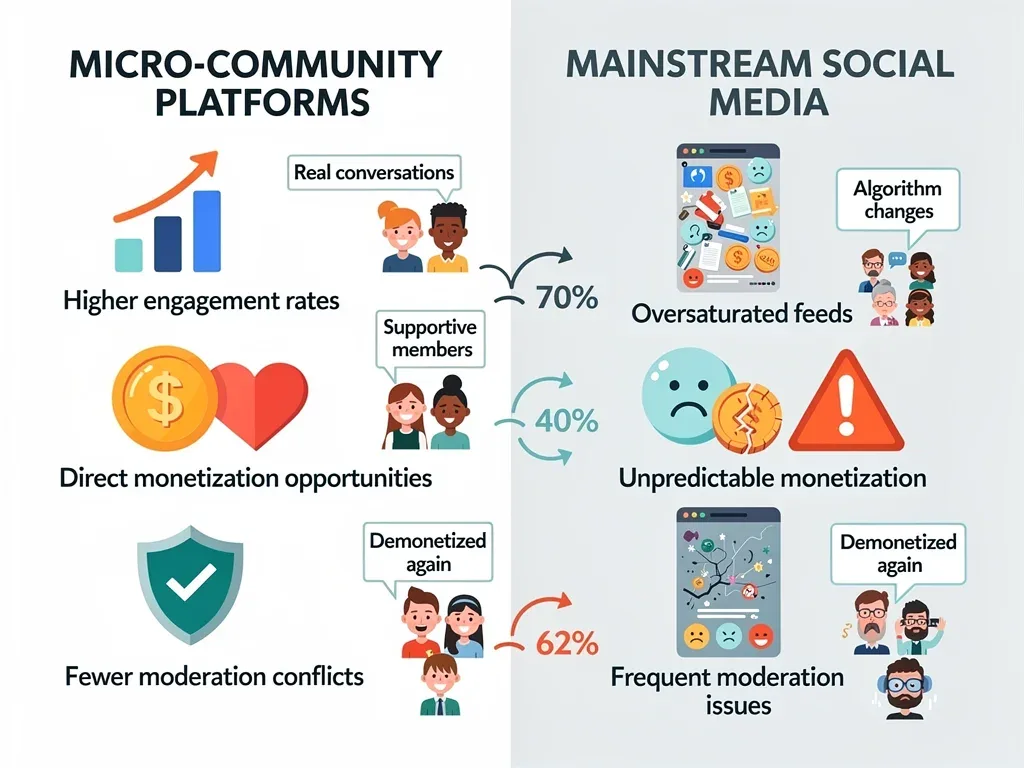
This strategic diversification provides a safety net. If a mainstream platform experiences a major outage, a policy change that impacts their content, or even shuts down, creators with established micro-communities can continue to engage with and monetize their audience.
Ultimately, platform independence is about empowering creators to be the architects of their own digital destinies. It's a move away from being a tenant in someone else's digital property to owning their own virtual home, where they set the rules and cultivate their garden.
The Future of the Creator Economy: Niche, Owned, and Engaged
The trend of creators shifting to micro-community platforms is not a fleeting one; it represents a fundamental reorientation of the creator economy. The future appears to be less about chasing viral fame on broad platforms and more about cultivating deep, meaningful relationships within niche, owned spaces. This evolution promises a more sustainable and fulfilling path for digital creators.
This paradigm shift underscores a growing realization: true value in the digital realm lies not in the sheer size of an audience, but in its engagement, loyalty, and willingness to support creators directly. The creator economy is maturing, moving beyond its initial, often superficial, phases.
Key Trends Shaping the Creator Landscape
Several key trends are converging to solidify the importance of micro-community platforms in the evolving creator landscape. These trends point towards a future where creators are empowered and audiences are more discerning.
- Hyper-Niche Content: The demand for highly specific, specialized content is growing, which micro-communities are perfectly positioned to serve.
- Subscription-Based Models: Audiences are increasingly willing to pay for exclusive, high-quality content and direct access to creators.
- Decentralized Social Experiences: A move away from centralized tech giants towards more distributed and creator-controlled online spaces.
The success stories emerging from micro-community platforms are inspiring more creators to make the leap. From independent journalists and artists to educators and gamers, diverse creators are finding renewed purpose and prosperity in these tailored environments.
This shift ultimately benefits not just creators, but also their audiences, who gain access to more authentic interactions, higher quality content, and a greater sense of belonging. The future of the creator economy is bright, and it's being built one micro-community at a time.
| Key Aspect | Description |
|---|---|
| Creator Shift | 54% of digital creators moved from algorithm feeds to micro-community platforms. |
| Mainstream Challenges | Unpredictable algorithms, unstable monetization, and lack of content control. |
| Micro-Community Benefits | Authentic engagement, direct monetization, greater control, and platform independence. |
| Future Trend | Shift towards niche, owned, and highly engaged creator-led online spaces. |
Frequently Asked Questions About Creator Platform Shifts
Why are digital creators leaving mainstream social media?▼Creators are moving away from mainstream apps due to unpredictable algorithm changes, inconsistent content reach, and unreliable monetization. They seek more control, direct engagement with their audience, and stable income streams, which are often lacking on larger platforms.
What defines a micro-community platform?▼A micro-community platform is an online space focused on niche interests, allowing creators to connect deeply with a smaller, highly engaged audience. These platforms prioritize direct interaction, creator autonomy, and often offer diverse monetization tools, fostering a strong sense of belonging among members.
How do micro-communities offer better monetization?▼Micro-communities enable direct monetization through subscriptions, exclusive content sales, and crowdfunding. This contrasts with mainstream apps' reliance on often volatile ad revenue, giving creators more predictable and stable income sources directly from their most loyal fans.
What does 'platform independence' mean for creators?▼Platform independence refers to creators having control over their audience data and content distribution, reducing reliance on a single platform's algorithms or policies. This strategy builds resilience, allowing creators to maintain their connection with fans even if a primary platform changes or fails.
Is this shift permanent or a passing trend?▼This shift appears to be a fundamental reorientation of the creator economy, not just a trend. It reflects a growing desire for sustainable, authentic engagement and creator autonomy. The benefits of niche focus and direct relationships suggest micro-communities will continue to be vital for creators.
Conclusion
The exodus of digital creators from mainstream, algorithm-driven applications to micro-community platforms is a clear indicator of a maturing creator economy. Creators are no longer content with chasing fleeting viral trends or battling unpredictable algorithms. Instead, they are actively seeking environments that offer authentic engagement, direct monetization, greater control over their content, and the resilience that comes with platform independence. This significant shift, involving over half of all digital creators, highlights a powerful desire for deeper connections and a more sustainable future, ultimately reshaping how content is created, consumed, and valued online. The future of digital creation lies in fostering dedicated communities where genuine interaction and creator autonomy thrive, proving that quality and connection often outweigh sheer reach.
