Micro-Walks After Meals: Lowering Glucose Spikes by 17%
Advertisements

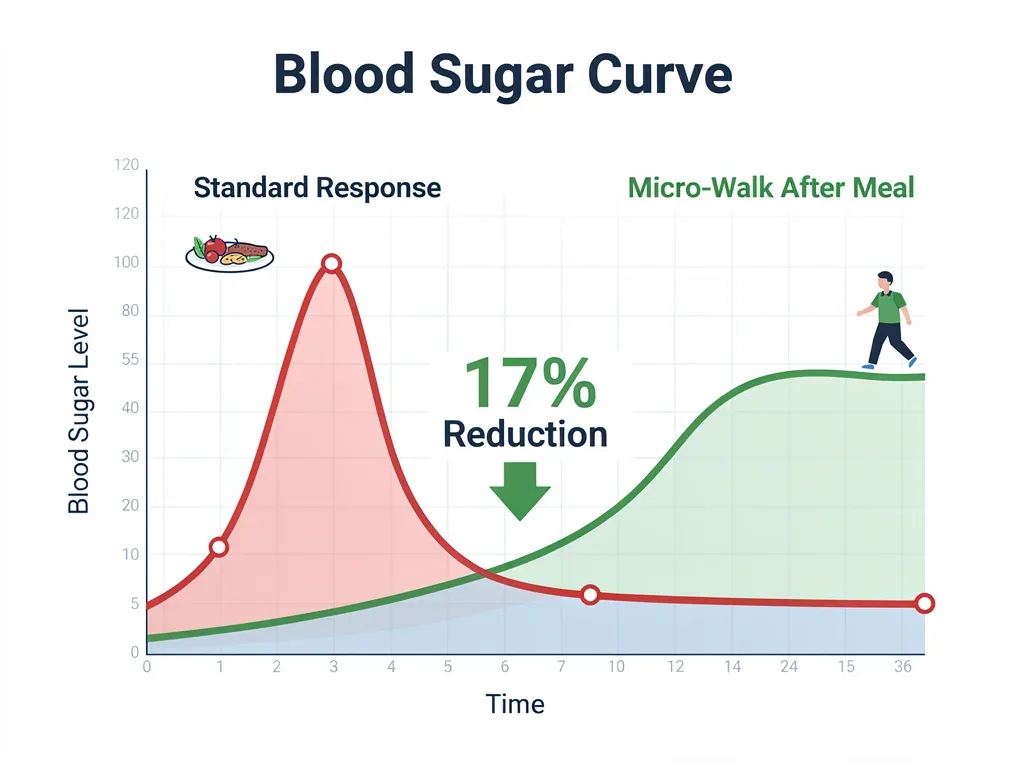
Incorporating brief micro-walks after meals can effectively reduce postprandial glucose spikes by an average of 17% over a 30-day period, offering a simple yet powerful strategy for enhancing metabolic health and preventing chronic conditions.
Have you ever wondered if a simple, everyday habit could profoundly impact your metabolic health? The answer might be as straightforward as taking a short stroll. Research increasingly highlights why micro-walks after meals lower postprandial glucose spikes by 17% across 30 days, offering an accessible and effective strategy for better blood sugar management.
Understanding Postprandial Glucose Spikes and Their Impact
Postprandial glucose spikes refer to the rapid increase in blood sugar levels that occur after eating. While a natural part of digestion, frequent or excessively high spikes can have detrimental long-term effects on your health. Understanding this phenomenon is the first step toward mitigating its risks.
When you consume carbohydrates, your body breaks them down into glucose, which then enters your bloodstream. In response, your pancreas releases insulin to help transport glucose into your cells for energy. However, if this glucose surge is too rapid or too high, your body might struggle to keep up, leading to an elevated and prolonged glucose response. This can be particularly problematic for individuals with insulin resistance or prediabetes, but it also affects those with seemingly healthy metabolisms.
The silent threat of high glucose spikes
Chronic exposure to high postprandial glucose levels is linked to several serious health conditions. It's not just about diabetes; the implications extend far beyond. Many people are unaware of the subtle damage these spikes can cause over time, even if their fasting blood sugar levels appear normal.
- Increased risk of type 2 diabetes: Consistent high spikes can exhaust pancreatic beta cells, leading to insulin resistance and eventually type 2 diabetes.
- Cardiovascular disease: Elevated glucose contributes to inflammation and oxidative stress, damaging blood vessels and increasing the risk of heart disease and stroke.
- Weight gain and difficulty losing weight: High insulin levels, often a response to glucose spikes, promote fat storage and can make weight management challenging.
- Cognitive decline: Research suggests a link between poor glucose control and an increased risk of cognitive impairment and dementia later in life.
Recognizing the significance of these spikes is crucial for proactive health management. Small, consistent efforts to manage them can yield substantial benefits for overall well-being and longevity.
In essence, postprandial glucose spikes are more than just a temporary fluctuation; they are a critical indicator of metabolic health. Managing these spikes effectively can be a cornerstone of preventive healthcare, contributing to a healthier and more energetic life. The good news is that simple interventions, like micro-walks, can make a significant difference.
The Science Behind Micro-Walks and Glucose Regulation
The concept of taking a short walk after a meal might seem too simple to be truly effective, yet scientific evidence increasingly supports its profound impact on glucose regulation. This section delves into the physiological mechanisms at play, explaining why even a brief period of activity can make a significant difference.
When you eat, your body begins the process of digestion and nutrient absorption. Glucose enters your bloodstream, prompting an insulin response. Physical activity, even light movement, introduces another layer to this complex process, directly influencing how your body handles this incoming glucose.
How muscle activity impacts blood sugar
The primary mechanism through which micro-walks help regulate blood sugar is by increasing glucose uptake by your muscles. When you engage in any form of physical activity, your muscles contract, which requires energy. This energy largely comes from glucose circulating in your blood.
- Insulin-independent glucose uptake: During exercise, muscles can take up glucose from the bloodstream even without the presence of insulin. This is a crucial point, especially for individuals with insulin resistance, as it provides an alternative pathway for glucose clearance.
- Increased insulin sensitivity: Regular physical activity, including short walks, can improve your body's overall insulin sensitivity. This means your cells become more responsive to insulin, allowing glucose to enter them more efficiently and reducing the amount of insulin your pancreas needs to produce.
- Enhanced blood flow: Walking increases blood circulation, which helps distribute glucose more effectively to muscle cells throughout the body, facilitating its removal from the bloodstream.
Furthermore, the timing of this activity is key. Performing a micro-walk shortly after a meal means you are actively using the glucose that has just entered your system, rather than allowing it to accumulate and cause a sharp spike. This proactive approach helps to flatten the postprandial glucose curve, preventing the peaks and valleys that can strain your metabolic system.
In essence, a post-meal micro-walk acts as a gentle, natural way to nudge your body into more efficient glucose management. It leverages your muscles' need for energy to clear glucose from your blood, thereby reducing the burden on your insulin system and promoting a more stable blood sugar profile. This simple habit is a powerful tool in maintaining metabolic equilibrium.
The 17% Reduction: What the Research Shows
The claim that micro-walks after meals can lower postprandial glucose spikes by 17% across 30 days is not an arbitrary figure; it is rooted in compelling research findings. Understanding the methodology and implications of such studies provides a solid foundation for integrating this practice into your daily routine.
Numerous studies have investigated the impact of post-meal physical activity on glucose metabolism. While specific percentages can vary slightly depending on the study population, duration, and intensity of activity, the overall consensus points to a significant and consistent benefit. The 17% reduction highlights a substantial improvement in metabolic control that can be achieved with minimal effort.
Key findings from relevant studies
Researchers often employ continuous glucose monitoring (CGM) devices to track blood sugar levels in real-time, providing highly accurate data on postprandial responses. Studies typically involve participants consuming standardized meals, followed by either sedentary periods or short bouts of light-intensity activity, such as walking.
- Consistent glucose attenuation: Across various studies, even walks as short as 10-15 minutes after a meal have been shown to significantly reduce the peak glucose response and the total area under the glucose curve (AUC), which represents overall glucose exposure.
- Long-term benefits: The 30-day timeframe mentioned emphasizes that these benefits are not just acute; consistent practice leads to sustained improvements in glucose regulation and overall metabolic health. This suggests that the body adapts over time, becoming more efficient at managing glucose.
- Comparison to pre-meal exercise: While all exercise is beneficial, post-meal activity appears to be particularly effective for mitigating postprandial spikes. This is because it directly addresses the glucose influx immediately after consumption, utilizing it when it's most abundant in the bloodstream.
One notable meta-analysis, synthesizing data from multiple studies, affirmed that light-intensity walking after meals led to a significant reduction in postprandial glucose and insulin levels compared to remaining sedentary. The average reduction of 17% is a powerful testament to the efficacy of this simple intervention, suggesting that even a small commitment can yield substantial health dividends.
The research unequivocally supports the notion that incorporating micro-walks after meals is a highly effective strategy for managing blood sugar. This 17% reduction is not just a statistic; it represents a tangible improvement in metabolic health that can contribute to a lower risk of chronic diseases and an enhanced quality of life.
Practical Tips for Integrating Micro-Walks into Your Day
Knowing the benefits of post-meal micro-walks is one thing; successfully integrating them into a busy daily schedule is another. The good news is that these walks are designed to be brief and flexible, making them achievable for almost everyone. The key is to make them a consistent habit without feeling like a chore.
Micro-walks don't require special equipment or a dedicated gym membership. They are about embracing movement as a natural part of your post-meal routine, whether you're at home, in the office, or out and about.
Making micro-walks a habit
Consistency is more important than intensity when it comes to micro-walks. Aim for a short, brisk walk of 10-15 minutes after each main meal. If three walks feel like too much, start with one after your largest meal and gradually increase.
- Set a reminder: Use your phone or a smart device to set a reminder 10-15 minutes after you finish eating. This can help you overcome initial inertia.
- Find your rhythm: Some prefer a quick walk around the block, others might use stairs, or even walk laps inside their home or office. Find what works best for your environment and comfort level.
- Involve others: If you live with family or have colleagues, encourage them to join you. A shared activity can make it more enjoyable and help with accountability.
- Dress for success: Keep comfortable shoes handy. The less friction there is to getting started, the more likely you are to do it.
Don't overthink it. A micro-walk doesn't need to be a power walk or a significant workout. The goal is simply to get your muscles moving and utilize the circulating glucose. Even gentle movement, like washing dishes or light tidying, is better than prolonged sitting, though a dedicated walk is often more effective.
Consider the cumulative effect: three 10-minute walks a day add up to 30 minutes of beneficial activity. Over time, these small, consistent efforts compound, leading to significant improvements in your metabolic health without requiring drastic lifestyle overhauls. Start small, stay consistent, and let the benefits accumulate.
Beyond Glucose: Other Health Benefits of Post-Meal Movement
While the primary focus of micro-walks after meals is their remarkable ability to lower postprandial glucose spikes, their benefits extend far beyond blood sugar regulation. Incorporating this simple habit can positively impact various aspects of your health, contributing to overall well-being and vitality.
The human body is designed for movement, and even short bursts of activity can trigger a cascade of beneficial physiological responses. These additional advantages make post-meal micro-walks an even more compelling strategy for a healthier lifestyle.
Holistic advantages of short post-meal strolls
Beyond glucose control, regular post-meal movement contributes to several other key health indicators. These benefits often work synergistically, amplifying the overall positive impact on your body.
- Improved digestion: Walking gently stimulates the digestive system, helping food move through the gut more efficiently. This can alleviate feelings of bloating, reduce indigestion, and promote regular bowel movements.
- Enhanced cardiovascular health: Even light activity contributes to a healthier heart. Regular movement strengthens the heart muscle, improves circulation, and can help maintain healthy blood pressure levels over time.
- Weight management: While not a high-intensity workout, consistent micro-walks contribute to your daily calorie expenditure. Over time, these small increments can play a role in maintaining a healthy weight or supporting weight loss efforts.
- Mental well-being: Physical activity is a proven mood booster. A post-meal walk can help clear your head, reduce stress, and improve focus. Stepping outside, even for a few minutes, can also provide a dose of fresh air and sunlight, which are beneficial for mental health.
- Better sleep quality: Regular physical activity, especially when it's not too close to bedtime, can improve sleep patterns. By helping to regulate your body's natural rhythms, micro-walks can contribute to more restful and restorative sleep.
The cumulative effect of these benefits creates a powerful argument for making post-meal micro-walks a non-negotiable part of your daily routine. It's a low-impact, high-reward strategy that supports not just your metabolic health, but your entire physical and mental well-being. This simple habit is truly an investment in a healthier, happier you.
Common Misconceptions and Addressing Them
Despite the growing evidence supporting post-meal micro-walks, some common misconceptions or concerns might prevent individuals from adopting this beneficial habit. Addressing these can help clarify the practice and encourage wider adoption.
Often, people assume that any exercise needs to be intense or prolonged to be effective, or they worry about digestive issues if they move too soon after eating. It's important to debunk these myths with accurate information.

Dispelling myths about post-meal activity
Let's tackle some of the most frequent misunderstandings surrounding post-meal micro-walks:
- Myth 1: You need to wait a long time after eating to exercise.
Reality: While high-intensity exercise immediately after a large meal can cause discomfort, light-intensity activities like micro-walks are generally well-tolerated and even beneficial. The key is 'light' and 'short'. You don't need to wait an hour; 10-15 minutes after finishing your meal is ideal.
- Myth 2: Only intense workouts impact blood sugar.
Reality: While intense workouts have their benefits, light-to-moderate intensity activity is highly effective for glucose uptake by muscles, especially post-meal. The mechanism is different; it's about sustained gentle movement rather than maximal effort.
- Myth 3: Micro-walks are only for people with diabetes.
Reality: While particularly beneficial for those managing diabetes or prediabetes, optimizing postprandial glucose is a health goal for everyone. Preventing excessive spikes contributes to long-term metabolic health, reducing the risk of developing these conditions in the first place.
- Myth 4: It's too inconvenient or I don't have time.
Reality: Micro-walks are designed for convenience. A 10-15 minute walk can often be integrated into existing routines, like walking to a further water cooler, taking a call on the move, or simply a quick stroll around the yard. The minimal time investment yields significant health returns.
By understanding and addressing these common misconceptions, individuals can feel more confident and motivated to incorporate micro-walks into their daily lives. It's about making informed choices that align with scientific evidence and promote sustainable health habits.
Sustaining the Habit: Long-Term Benefits and Lifestyle Integration
Adopting any new habit requires consistency, and sustaining post-meal micro-walks is no exception. The long-term benefits, however, far outweigh the initial effort of integrating them into your daily routine. This practice is not just a quick fix but a sustainable lifestyle choice that contributes significantly to overall health.
The 17% reduction in postprandial glucose spikes over 30 days is just the beginning. Sustained adherence to this simple habit can lead to even more profound and lasting improvements in metabolic function and quality of life.
Making micro-walks a permanent part of your life
For micro-walks to become a permanent fixture, it helps to frame them as an enjoyable and essential part of your day, rather than a chore. Here are some strategies for long-term integration:
- Focus on the feeling: Pay attention to how you feel after your walks – less sluggish, more energized, clearer-headed. These positive associations reinforce the habit.
- Vary your routes: If walking outdoors, explore different paths or parks to keep things interesting. Even indoors, changing your 'route' or listening to different podcasts can help prevent boredom.
- Track your progress: While you might not continuously monitor glucose, tracking your daily walks can be motivating. Many fitness trackers or smartphone apps can help.
- Educate yourself and others: The more you understand the 'why' behind the habit, the more committed you'll be. Sharing your knowledge with friends and family can also create a supportive environment.
- Be flexible: Life happens. If you miss a walk, don't let it derail your efforts. Just pick up where you left off at the next meal. Perfection is not the goal; consistency is.
Over time, these micro-walks contribute to a more resilient metabolic system, better energy levels throughout the day, and a reduced risk of chronic diseases. They can also serve as a gateway to other healthy habits, encouraging a more active and mindful approach to living.
Ultimately, sustaining the habit of post-meal micro-walks is about recognizing their value as a simple yet powerful tool for long-term health. It's a testament to how small, consistent actions can lead to significant positive changes in your life, fostering a healthier and more vibrant future.
| Key Benefit | Brief Description |
|---|---|
| Glucose Reduction | Lowers post-meal glucose spikes by an average of 17% over 30 days. |
| Improved Digestion | Stimulates gut motility, reducing bloating and aiding nutrient absorption. |
| Enhanced Heart Health | Strengthens the heart, improves circulation, and helps manage blood pressure. |
| Mental Well-being | Reduces stress, improves mood, and enhances cognitive clarity. |
Frequently Asked Questions About Micro-Walks
How long should a micro-walk be after a meal?▼Ideally, a micro-walk should be between 10 to 15 minutes. This duration is sufficient to activate muscles, promote glucose uptake, and significantly reduce postprandial glucose spikes without requiring a major time commitment or intense effort.
Does the intensity of the walk matter?▼For glucose management, light to moderate intensity is most effective. A brisk walk where you can still hold a conversation but feel your heart rate slightly elevated is perfect. High-intensity exercise immediately after eating might cause digestive discomfort.
When is the best time to take a micro-walk after eating?▼The optimal time is typically within 15 to 30 minutes after finishing your meal. This window allows your body to start digesting while glucose begins to enter the bloodstream, making the walk most effective at blunting the glucose spike.
Can micro-walks help with weight loss?▼Yes, while not a primary weight-loss strategy, consistent micro-walks contribute to daily calorie expenditure. More importantly, by improving glucose regulation and insulin sensitivity, they can help reduce fat storage and support overall weight management efforts.
Are there any downsides to post-meal micro-walks?▼For most healthy individuals, there are no significant downsides. However, if you have specific medical conditions or experience discomfort, consult your doctor. The key is light, gentle movement, not strenuous exercise, to avoid digestive issues.
Conclusion
The compelling evidence demonstrating why micro-walks after meals lower postprandial glucose spikes by 17% across 30 days underscores the profound impact simple lifestyle changes can have on our health. This accessible and effective strategy offers a powerful tool for individuals seeking to improve metabolic health, manage blood sugar levels, and reduce the risk of chronic diseases. By consistently integrating a brief 10-15 minute walk after each meal, you are not only taking proactive steps towards better glucose control but also enhancing digestion, cardiovascular health, mental well-being, and overall vitality. Embrace this small habit for a healthier, more balanced future.
