Overnight Transparent Geodesic Dome Stays: High-Altitude Stargazing Tips
Advertisements
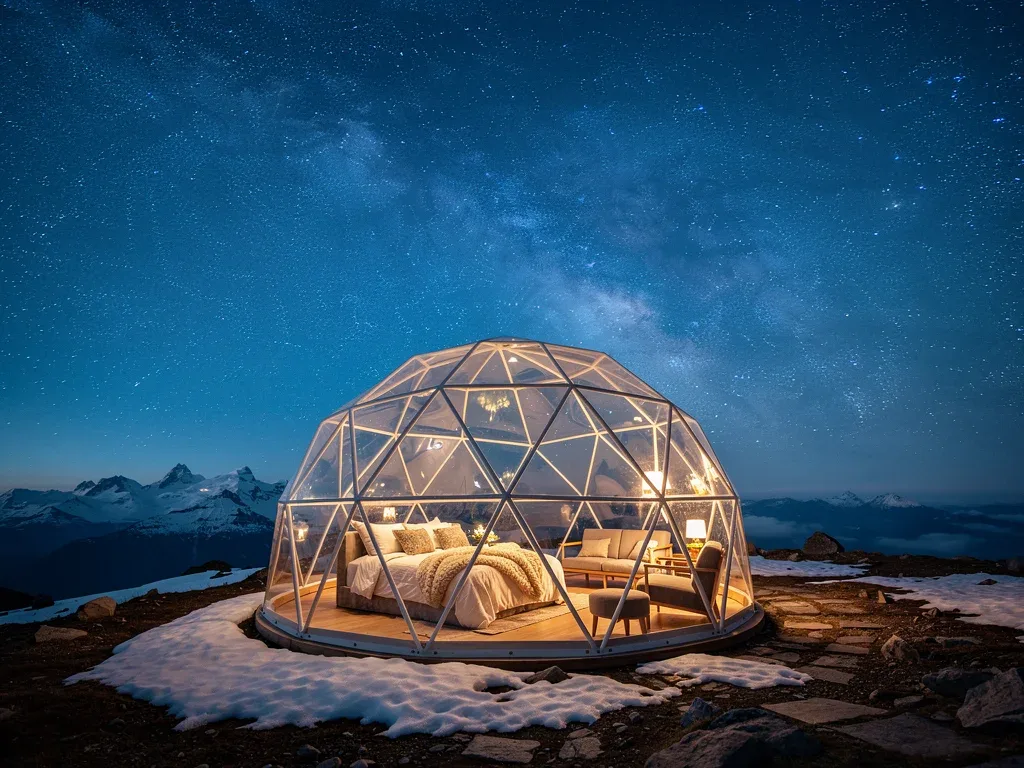
Overnight transparent geodesic dome stays provide an unparalleled opportunity for high-altitude stargazing, offering immersive celestial views from the comfort of unique accommodations.
Imagine falling asleep under a blanket of a million stars, the Milky Way arching directly overhead, all from the comfort and warmth of your own panoramic sanctuary. This is the promise of Overnight Transparent Geodesic Dome Stays: 5 Practical Tips for Your First High-Altitude Stargazing Experience, an adventure that combines luxury camping with an unparalleled connection to the cosmos. As these unique accommodations gain popularity, especially in high-altitude locations renowned for their dark skies, preparing for your first visit becomes paramount. This guide will equip you with essential knowledge to transform a simple overnight stay into a truly unforgettable celestial journey.
Understanding High-Altitude Environments
High-altitude environments offer some of the clearest, most pristine night skies on Earth, making them ideal for stargazing. However, these stunning vistas come with unique challenges that require careful consideration and preparation. The reduced atmospheric pressure and lower oxygen levels can significantly impact your body, and understanding these effects is crucial for a safe and enjoyable experience.
Acclimatization is Key
One of the most critical aspects of high-altitude travel is acclimatization. Rushing into strenuous activities without allowing your body to adjust can lead to altitude sickness, which can quickly ruin your stargazing adventure. Plan to arrive at your dome stay location at least a day in advance, if possible, and engage in light activities.
- Gradual Ascent: If driving, take your time and make stops to allow your body to adapt to the changing elevation.
- Hydration: Drink plenty of water before and during your stay. Dehydration can exacerbate altitude sickness symptoms.
- Avoid Alcohol and Caffeine: These can contribute to dehydration and disrupt your sleep, making acclimatization harder.
Symptoms of mild altitude sickness include headaches, nausea, dizziness, and fatigue. Recognizing these signs early and resting can prevent more severe complications. Always inform your hosts if you feel unwell.
Essential Gear for Dome Stays
While transparent geodesic domes offer comfort and protection from the elements, the high-altitude environment demands specific gear to ensure your warmth and well-being. Thinking ahead about what to pack can make all the difference between a memorable night and a chilly, uncomfortable one. The right clothing and accessories are your best defense against the cold and other high-altitude conditions.
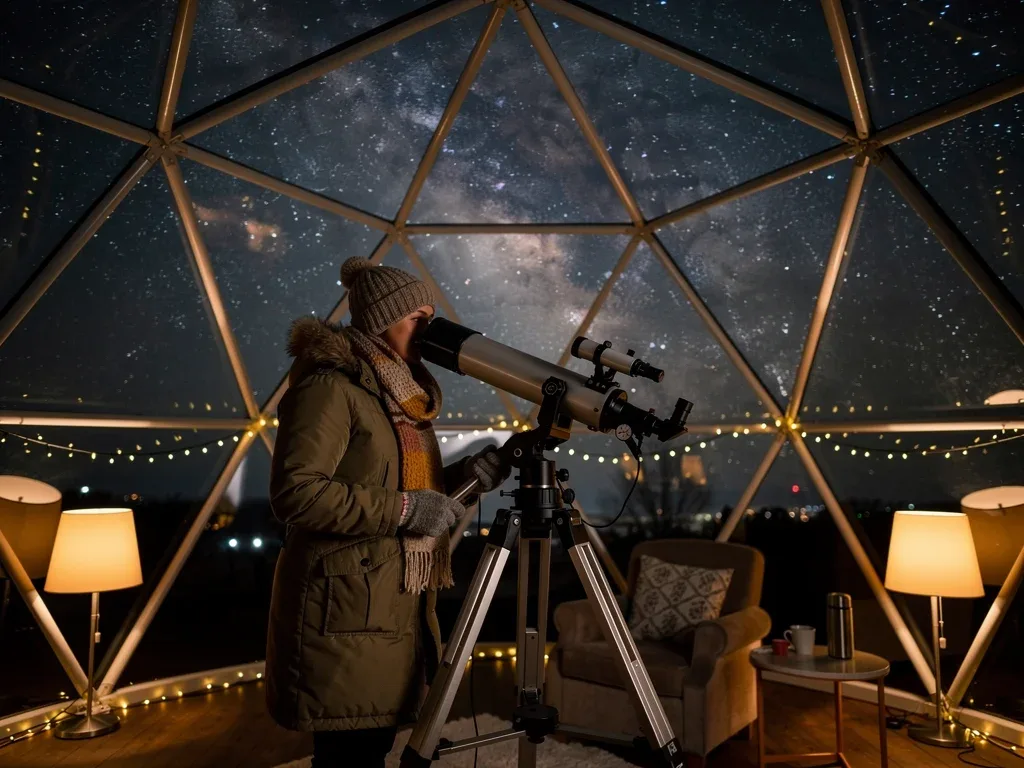
Layering is not just a suggestion; it is a necessity. Even if the dome is heated, venturing outside for a closer look at the stars or walking to facilities will expose you to brisk temperatures. Temperatures can drop significantly after sunset, even in summer months.
Layering for Optimal Warmth
A three-layer system is highly recommended to trap heat and allow for adjustments as temperatures fluctuate. This system typically includes a base layer, a mid-layer, and an outer shell.
- Base Layer: Wicking materials like merino wool or synthetic fabrics are excellent for keeping moisture away from your skin.
- Mid-Layer: Fleece or down jackets provide insulation and warmth.
- Outer Shell: A waterproof and windproof jacket is essential to protect against the elements.
Don't forget accessories like warm hats, gloves, and thick socks. Insulated, waterproof boots are also highly advisable, especially if there's any chance of snow or wet ground. A quality headlamp with a red light setting will help preserve your night vision while navigating in the dark.
Maximizing Your Stargazing Experience
The primary allure of transparent geodesic dome stays is the unparalleled stargazing opportunity. To truly make the most of this celestial spectacle, a bit of planning and understanding of astronomical phenomena can elevate your experience from merely observing to truly immersing yourself in the cosmos. Consider the moon phases, local light pollution, and available tools.
Choosing the Right Time
The best time for stargazing is during a new moon phase, when the moon's light doesn't overpower the fainter stars and galaxies. Check a lunar calendar before booking your stay to align with optimal dark sky conditions. Additionally, research the specific astronomical events that might be visible during your visit, such as meteor showers or planetary alignments.
- New Moon: Provides the darkest skies for optimal star visibility.
- Meteor Showers: Enhance your experience with spectacular celestial displays.
- Planetary Alignments: Offer unique viewing opportunities.
Even with a full moon, the experience can still be magical, casting a soft glow over the landscape, but the number of visible stars will be significantly reduced. A high-altitude location naturally minimizes light pollution, but it's always good to confirm the dark sky rating of your chosen dome site.
Health and Safety Protocols
While the allure of a high-altitude dome stay is undeniable, prioritizing health and safety is paramount. High-altitude environments present unique risks, and being prepared for potential challenges can ensure your adventure remains enjoyable and worry-free. This includes understanding potential medical concerns and emergency procedures.
Altitude Sickness Prevention and Response
As mentioned, altitude sickness is a real concern. Beyond gradual acclimatization, carrying certain medications can be beneficial. Consult your doctor about prescription medications like Acetazolamide (Diamox) if you are particularly susceptible or have pre-existing conditions. Over-the-counter pain relievers can help with mild headaches.
- Carry Emergency Contact Info: Ensure your hosts and travel companions have your emergency contacts.
- Know Your Limits: Do not push yourself if you feel unwell. Rest is crucial.
- Emergency Communication: Be aware of how to contact emergency services from your dome location. Cell service can be spotty in remote, high-altitude areas.
Most dome operators are experienced with high-altitude conditions and will provide safety briefings. Pay close attention to their advice and follow any guidelines regarding movement, hydration, and general well-being. Always trust your instincts; if something feels off, address it immediately.
Respecting the Environment and Local Culture
Transparent geodesic dome stays often place you in pristine natural environments, many of which are ecologically sensitive or hold cultural significance. It is crucial to approach these experiences with a deep sense of respect for both the natural world and any local communities. Your actions have an impact, and responsible tourism ensures these beautiful locations remain preserved for future generations.
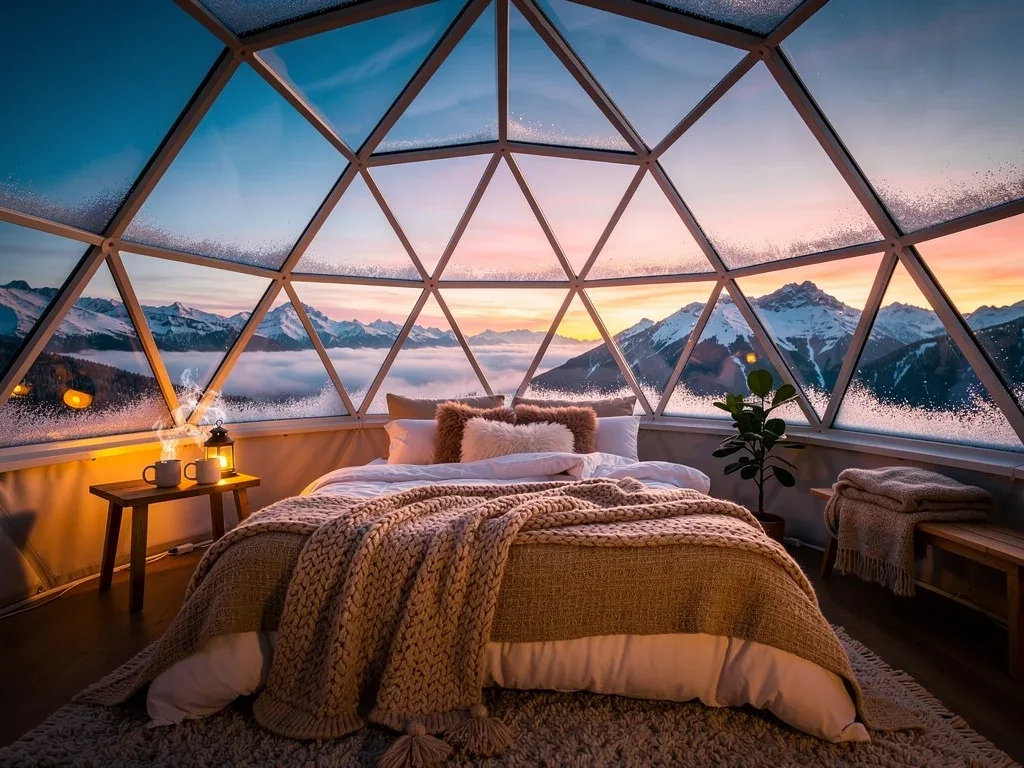
Adhering to Leave No Trace principles is fundamental. This means minimizing your impact on the environment by properly disposing of waste, respecting wildlife, and leaving natural areas as you found them. Many dome sites are located in remote areas where resources can be scarce.
Sustainable Practices
Inquire about the dome operator's sustainability practices. Many strive to be eco-friendly, using solar power, composting toilets, and minimizing water usage. Support businesses that demonstrate a commitment to environmental stewardship.
- Waste Management: Pack out everything you pack in. Use designated bins and recycle whenever possible.
- Water Conservation: Be mindful of water usage, as it may be a limited resource in high-altitude regions.
- Wildlife Awareness: Observe wildlife from a distance and never feed animals. Secure food to prevent attracting pests.
Additionally, if your dome stay is near indigenous communities, take the time to learn about their culture and traditions. Support local businesses, respect local customs, and engage thoughtfully. This not only enriches your experience but also fosters positive relationships between visitors and residents.
Capturing the Celestial Beauty
The breathtaking views from a transparent geodesic dome at high altitude are an astrophotographer's dream. Even if you're a novice, capturing the magic of the night sky can be an incredibly rewarding part of your experience. With a few basic tips and the right equipment, you can take stunning photos to remember your celestial adventure.
Basic Astrophotography Tips
You don't need professional gear to start. Many modern smartphones have surprisingly capable cameras, and with some apps, you can adjust settings like exposure and ISO. For more serious attempts, a DSLR or mirrorless camera with a wide-angle lens is ideal.
- Tripod: Essential for long exposures to prevent camera shake.
- Manual Mode: Allows you to control aperture, ISO, and shutter speed.
- Wide Aperture Lens: Lets in more light, crucial for capturing faint stars.
- Remote Shutter Release: Prevents camera shake when pressing the shutter button.
Focusing on infinity is key for sharp stars. If your lens has a manual focus ring, set it to infinity. Experiment with different exposure times; longer exposures capture more light but can lead to star trails if too long. Start with 15-30 seconds, ISO 1600-6400, and the widest aperture your lens allows. Practice before your trip to get comfortable with your camera's settings in the dark.
| Key Aspect | Brief Description |
|---|---|
| Acclimatization | Gradually adjust to high altitude; stay hydrated and avoid alcohol to prevent sickness. |
| Essential Gear | Pack warm, layered clothing, hats, gloves, and insulated boots for cold high-altitude nights. |
| Stargazing Optimization | Plan your visit during a new moon for darkest skies and research celestial events. |
| Environmental Respect | Practice Leave No Trace principles and support sustainable, eco-friendly dome operators. |
Frequently Asked Questions About Dome Stays
What is the best time of year for high-altitude dome stargazing?▼While clear nights can occur year-round, late summer and early autumn often provide the most stable weather conditions and optimal visibility for high-altitude stargazing. Winter offers incredibly crisp views but comes with extreme cold and potential for heavy snow, requiring more rigorous preparation.
Are transparent geodesic domes warm enough for high altitudes?▼Most modern transparent geodesic domes designed for overnight stays in high-altitude environments are equipped with heating systems, often including wood-burning stoves or electric heaters. However, external temperatures can still be very low, so warm clothing and bedding are always essential for maximum comfort.
What should I do if I experience altitude sickness during my stay?▼If you experience symptoms of altitude sickness (headache, nausea, dizziness), the first step is to rest and hydrate. Inform your dome host immediately. If symptoms worsen, descending to a lower altitude is often the most effective treatment. Seek medical attention if symptoms are severe or persistent.
Can I bring my own telescope to a dome stay?▼Yes, many stargazing enthusiasts bring their own telescopes. It's advisable to check with your specific dome operator beforehand regarding space, power availability, and any restrictions. Some dome sites may also offer telescopes for rent or have resident astronomers to guide your viewing experience.
How do I minimize light pollution from inside the dome?▼To minimize internal light pollution, use only necessary, dim lighting inside the dome. Many domes offer red-light settings, which are less disruptive to night vision. Avoid using bright phone screens or flashlights, and consider turning off all non-essential lights when actively stargazing.
Conclusion
Embarking on an overnight transparent geodesic dome stay for high-altitude stargazing is an extraordinary journey that promises unparalleled views of the cosmos and a deep connection with nature. By following these practical tips – from diligent acclimatization and packing the right gear to optimizing your stargazing schedule and adhering to safety protocols – you can ensure your first experience is not only breathtaking but also comfortable and safe. Remember to approach these unique environments with respect for both the natural world and local cultures, fostering sustainable tourism practices. Whether you're a seasoned astronomer or a curious first-timer, preparing thoughtfully will transform your dome stay into an unforgettable celestial adventure, creating memories that will last a lifetime.
