Wild Edible Foraging Masterclasses: Redefining Culinary Weekends
Advertisements
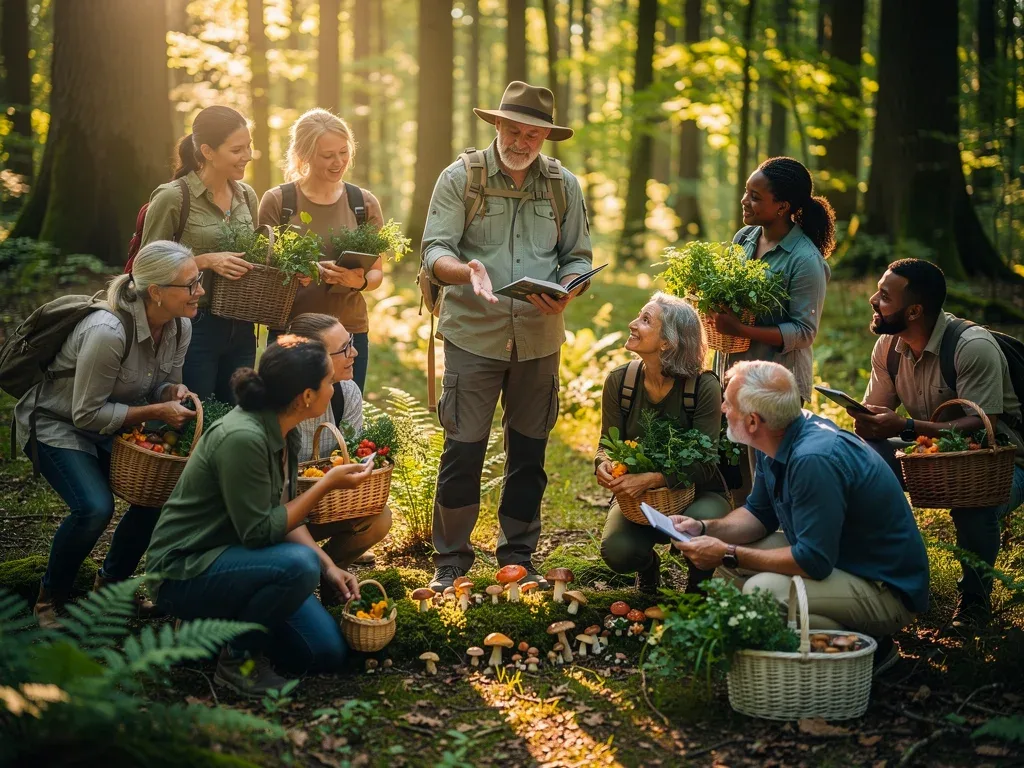
Wild edible foraging masterclasses, especially 6-hour guided expeditions, are transforming weekend culinary discovery by offering immersive experiences that teach sustainable harvesting and introduce participants to nature's overlooked gastronomic treasures.
Are you tired of the same old weekend routines? Imagine a culinary adventure that takes you beyond the grocery store aisles and into the heart of nature. Wild edible foraging masterclasses are emerging as a thrilling new way to explore our natural world while discovering an abundance of delicious, often overlooked, ingredients. These 6-hour guided gathering expeditions are not just about finding food; they're about reconnecting with the land, understanding ecological balance, and redefining what it means to truly eat locally.
The allure of wild edible foraging masterclasses
The appeal of venturing into the wilderness to gather your own food is deeply rooted in our human history. In a world increasingly dominated by processed foods and industrialized agriculture, the desire for authentic, natural experiences has never been stronger. These masterclasses tap into that primal instinct, offering a unique blend of education, adventure, and culinary exploration.
Participants are drawn to the promise of learning from seasoned experts who can safely guide them through forests, meadows, and coastal areas, revealing the hidden bounty that lies beneath their feet. It’s an opportunity to acquire practical skills that can be applied long after the class concludes, fostering a deeper appreciation for the environment and the food it provides.
connecting with nature and tradition
Beyond the edible rewards, foraging offers a profound connection to nature. Spending hours immersed in natural landscapes, observing the intricate ecosystems, and understanding the life cycles of plants and fungi can be a deeply meditative and restorative experience. It’s a chance to slow down, breathe fresh air, and engage all your senses in a meaningful way.
- Learn about local ecosystems and biodiversity.
- Understand the history of foraging in different cultures.
- Develop a respectful and sustainable approach to harvesting.
the thrill of discovery
Each foraging expedition is an adventure, a treasure hunt where the rewards are both delicious and educational. The excitement of identifying a rare mushroom or a nutrient-rich wild green, knowing that you will soon transform it into a meal, is unparalleled. This sense of discovery adds an element of surprise and wonder to every outing.
Wild edible foraging masterclasses provide not just knowledge, but also a community of like-minded individuals who share a passion for the outdoors and sustainable living. It's an experience that nourishes both body and soul, leaving participants with new skills, fresh ingredients, and unforgettable memories.
In essence, these masterclasses are more than just a culinary trend; they represent a movement towards greater self-sufficiency, ecological awareness, and a richer, more diverse diet. They offer a tangible way to step off the beaten path and explore the wild side of gastronomy.
what to expect from a 6-hour guided expedition
A typical 6-hour guided expedition is meticulously planned to provide a comprehensive and enriching experience. These masterclasses are designed to be accessible to everyone, from complete novices to experienced foragers looking to expand their knowledge. The duration allows for ample time to cover theoretical aspects, practical identification, and ethical harvesting techniques.
The day usually begins with an introduction to foraging ethics, safety protocols, and a general overview of the local flora and fauna. Guides emphasize the importance of positive identification, discussing common look-alikes and potential hazards. This foundational knowledge is crucial for a safe and successful foraging trip.
expert guidance and safety first
Experienced guides are the cornerstone of these masterclasses. They possess extensive knowledge of botany, mycology, and local ecosystems. Their expertise is invaluable in ensuring participants can confidently identify edible species and avoid poisonous ones. Safety is always paramount, with guides providing clear instructions and maintaining a watchful eye over the group.
- Learn safe identification techniques for various species.
- Understand the importance of sustainable harvesting practices.
- Receive guidance on what to bring and how to prepare for the expedition.
hands-on learning in diverse environments
The beauty of a 6-hour expedition lies in its hands-on nature. Participants don't just listen; they actively engage in the process of searching, identifying, and harvesting. Depending on the location, these masterclasses might take place in dense forests, open meadows, along riverbanks, or even coastal areas, each offering a unique array of edible treasures.
Guides often lead discussions on the ecological role of each plant or fungus, explaining its medicinal properties, historical uses, and culinary applications. This holistic approach enhances the learning experience, transforming a simple walk into an educational journey.
By the end of the 6 hours, participants typically have a basket full of freshly gathered ingredients, a wealth of new knowledge, and a newfound appreciation for the natural world. Many classes conclude with a shared meal featuring some of the day's harvest, allowing participants to taste the fruits of their labor.
the culinary revolution: from forest to plate
The true magic of wild edible foraging masterclasses unfolds when the gathered ingredients make their way into the kitchen. These expeditions are not just about the hunt; they are about inspiring a culinary revolution, encouraging participants to incorporate wild edibles into their daily cooking and elevate their gastronomic experiences.
Imagine crafting a gourmet meal with ingredients that have traveled only a few miles from their natural habitat to your plate. This direct connection to the source instills a profound sense of satisfaction and offers flavors that are often more vibrant and complex than their cultivated counterparts.
unleashing unique flavors and textures
Wild edibles introduce an entirely new palette of flavors and textures to the culinary repertoire. From the earthy notes of wild mushrooms to the peppery bite of watercress or the delicate sweetness of certain berries, each ingredient offers a unique profile. Chefs and home cooks alike are discovering the versatility of these natural treasures.
Many masterclasses include a demonstration or a tasting session, where guides or guest chefs showcase simple yet delicious ways to prepare the day's harvest. This practical application bridges the gap between foraging and feasting, making the experience truly holistic.
sustainable and local eating at its finest
Foraging inherently promotes sustainable and local eating. By gathering food directly from nature, participants bypass the industrial food system, reducing their carbon footprint and supporting biodiversity. It encourages a mindful approach to consumption, where every ingredient is valued and appreciated.
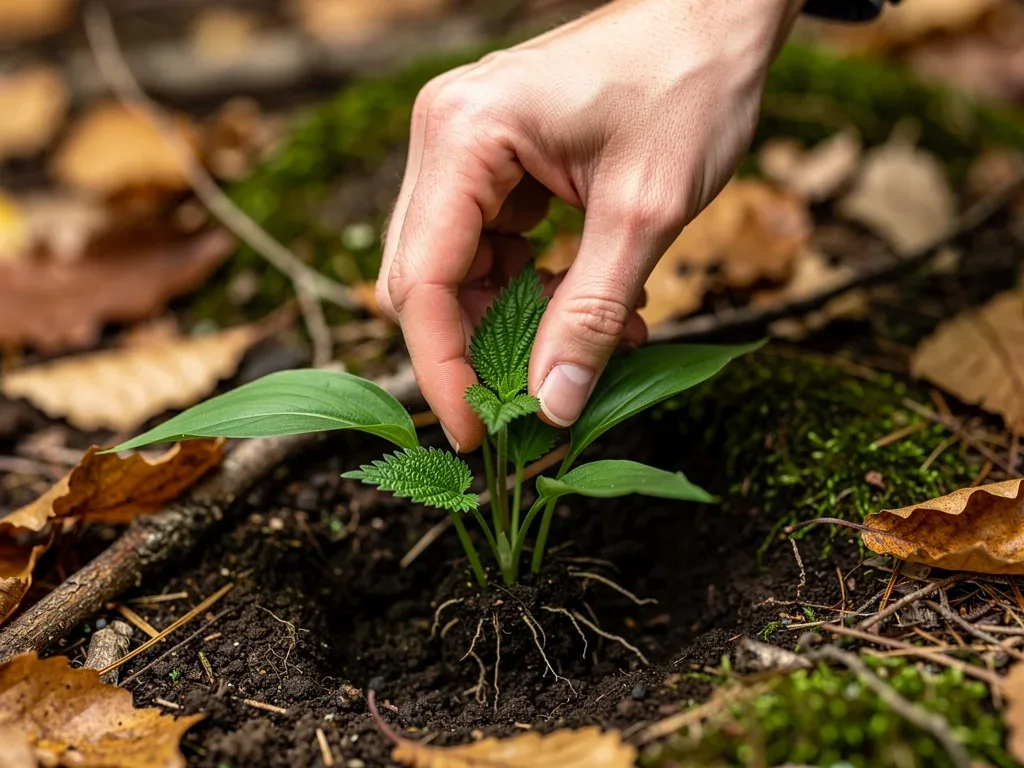
This movement towards wild edibles aligns perfectly with the growing demand for transparency in food sourcing and a desire for healthier, more natural diets. It's a return to traditional ways of eating, but with a modern, gourmet twist.
The culinary possibilities are endless: wild salads, mushroom risottos, herbal teas, berry jams, and much more. These masterclasses empower individuals to become active participants in their food journey, transforming them from passive consumers into confident, creative cooks who embrace the bounty of the wild.
beyond the weekend: integrating foraging into daily life
The impact of wild edible foraging masterclasses extends far beyond a single weekend expedition. The knowledge and skills acquired during these 6-hour sessions can be integrated into daily life, fostering a more sustainable and adventurous approach to food and nature. Many participants find themselves looking at their local parks and green spaces with new eyes, identifying potential edible plants where they once saw only weeds.
The goal is not to replace grocery shopping entirely, but to supplement it with nutrient-rich, free, and often superior-tasting wild ingredients. This integration can lead to a more diverse diet, improved health, and a deeper connection to the local environment.
building a foraging mindset
A key takeaway from these masterclasses is the development of a "foraging mindset." This involves heightened observational skills, an understanding of seasonal cycles, and a respect for ecological balance. It's about becoming more attuned to the rhythms of nature and recognizing the abundance that surrounds us.
- Start small by identifying common edible plants in your local area.
- Consult field guides and reputable online resources.
- Join local foraging groups to share knowledge and experiences.
ethical and sustainable practices
Integrating foraging into daily life means consistently applying the ethical guidelines learned during the masterclass. This includes harvesting only what you need, leaving plenty for wildlife and future growth, and never foraging in protected areas or on private land without permission. Sustainability is not just a concept; it's a practice that ensures these resources remain available for generations to come.
The long-term benefits include not only a healthier diet but also a reduced reliance on commercial food systems, a deeper sense of self-reliance, and a greater appreciation for the delicate balance of nature. These masterclasses serve as a powerful catalyst for a lifestyle shift, encouraging participants to become stewards of the land and advocates for sustainable living.
the rise of foraging tourism and eco-experiences
The growing popularity of wild edible foraging masterclasses is a testament to a broader trend: the rise of experiential tourism and eco-conscious travel. People are increasingly seeking immersive experiences that offer both personal growth and a connection to nature, moving away from conventional sightseeing towards activities that engage all senses and provide lasting skills.
Foraging masterclasses fit perfectly into this niche, offering a unique blend of adventure, education, and culinary delight. They cater to a diverse audience, from food enthusiasts and budding chefs to environmentalists and those simply looking for a meaningful escape from urban life.
supporting local economies and conservation
These eco-experiences often support local economies by employing guides, partnering with local farms or restaurants, and promoting regional tourism. They also play a crucial role in conservation efforts by educating participants about biodiversity, habitat preservation, and the importance of protecting natural resources.
- Discover unique regional wild edibles.
- Support local experts and small businesses.
- Contribute to the appreciation and protection of natural habitats.
a global movement with local roots
While the concept of foraging is ancient, its resurgence as a guided, educational experience is a modern phenomenon. From the dense forests of the Pacific Northwest to the sun-drenched coasts of California, and the rich woodlands of the Northeast, foraging tours are popping up across the United States, each tailored to its unique ecological landscape.
This global movement, rooted in local traditions and ecosystems, highlights a universal human desire to reconnect with our food sources and the natural world. It's a positive step towards a more sustainable and fulfilling way of living, one wild edible at a time.
The demand for such authentic encounters is only set to grow, positioning foraging masterclasses as a leading light in the future of responsible and enriching tourism. They offer more than just a trip; they offer a transformation, a new perspective on food, nature, and ourselves.
choosing the right wild edible foraging masterclass
With the increasing popularity of wild edible foraging masterclasses, selecting the right one can seem daunting. Several factors come into play, from the expertise of the guide to the specific focus of the class and the geographical location. A well-chosen masterclass can significantly enhance your learning experience and ensure safety.
It's important to research the instructors' credentials. Look for guides with extensive experience, formal training in botany or mycology, and a strong reputation within the foraging community. Their knowledge is your primary safeguard against misidentification and potential harm.
factors to consider
Before booking, think about what you hope to gain from the experience. Are you interested in general foraging, or do you have a specific interest, such as mushrooms, wild greens, or medicinal plants? Some masterclasses specialize, offering deep dives into particular aspects of wild edibles.
- Guide's Expertise: Verify their background, certifications, and experience.
- Class Focus: General foraging, specific plant types, culinary applications.
- Location: Choose an environment that interests you and is accessible.
- Group Size: Smaller groups often allow for more personalized instruction.
- Reviews and Testimonials: Read feedback from previous participants.
what to look for in a reputable program
A reputable foraging program will prioritize safety above all else. This includes clear instructions on what to bring, detailed discussions on poisonous look-alikes, and a commitment to sustainable harvesting practices. They should also provide resources for continued learning after the class.
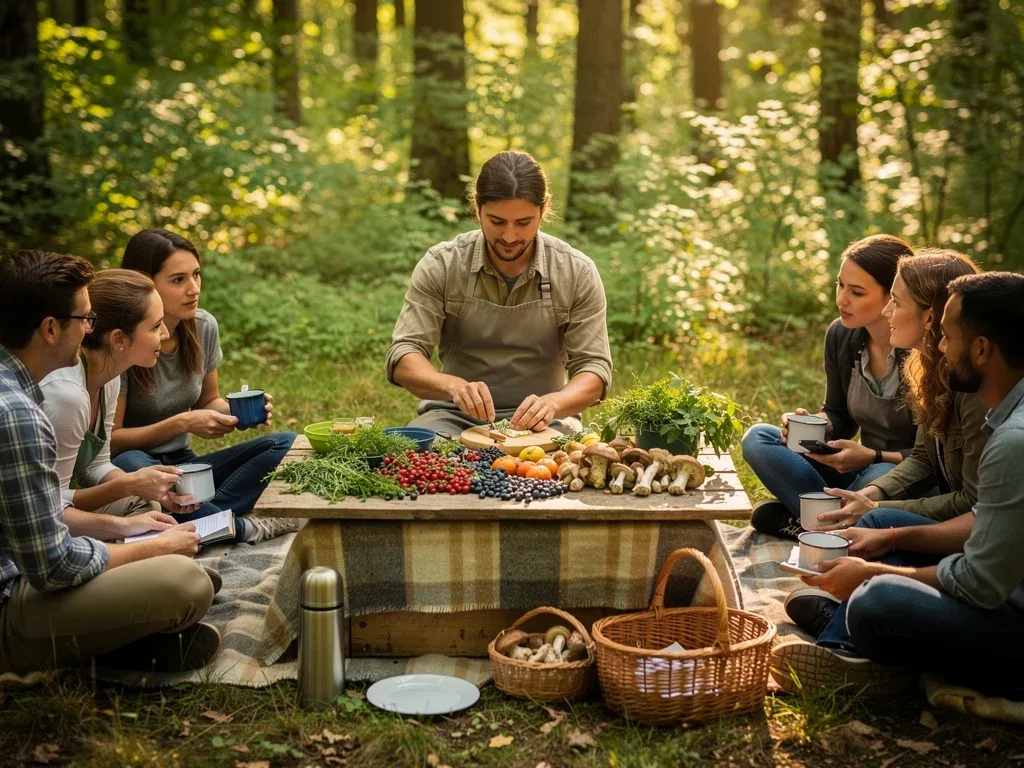
Consider whether the class includes a culinary component, such as a cooking demonstration or a shared meal. This can significantly enhance the overall experience, allowing you to immediately apply what you've learned and taste the delicious results of your foraging efforts.
By carefully evaluating these aspects, you can ensure that your 6-hour guided expedition is not only educational and exciting but also safe and perfectly aligned with your personal interests. It's an investment in knowledge, adventure, and a more connected way of life.
the future of culinary exploration and wild edibles
The trajectory of wild edible foraging masterclasses points towards a future where culinary exploration is deeply intertwined with environmental consciousness and a desire for authentic experiences. As awareness grows about sustainable food systems and the benefits of a diverse diet, the role of wild edibles will only become more prominent.
We are witnessing a shift in culinary trends, moving away from exotic, imported ingredients towards hyper-local, seasonal, and wild-harvested foods. This paradigm shift is not just a fad; it reflects a deeper societal yearning for connection to nature and a more resilient food culture.
innovation in foraging education
The future will likely see further innovation in foraging education. This could include specialized masterclasses focusing on specific biomes, advanced techniques for identification and preparation, or even multi-day immersive retreats. Technology might also play a role, with apps and digital tools enhancing the learning experience and aiding in identification.
- Integration of foraging into culinary school curricula.
- Development of advanced and specialized workshops.
- Increased research into the nutritional and medicinal properties of wild edibles.
a sustainable path forward
Ultimately, the enduring legacy of these masterclasses will be their contribution to a more sustainable path forward. By empowering individuals with the knowledge and skills to responsibly harvest wild foods, they foster a generation that is more attuned to the environment, more resilient in their food choices, and more appreciative of the planet's natural bounty.
The ongoing appeal of these 6-hour guided expeditions lies in their ability to offer a unique blend of adventure, education, and culinary delight, transforming weekend plans into unforgettable journeys of discovery. They are not just redefining weekend culinary discovery; they are shaping the future of how we interact with our food and the world around us.
The movement is clear: wild edibles are here to stay, and the masterclasses that teach us how to find and use them are at the forefront of this exciting culinary evolution.
| Key Aspect | Brief Description |
|---|---|
| Experiential Learning | Hands-on guided expeditions teach identification and sustainable harvesting of wild edibles. |
| Culinary Integration | Transforming foraged ingredients into unique, gourmet meals, enhancing culinary skills. |
| Sustainable Practices | Emphasizing ethical foraging to ensure ecological balance and resource preservation. |
| Nature Connection | Fostering a deeper appreciation and understanding of local ecosystems and biodiversity. |
Frequently asked questions about foraging masterclasses
What are wild edible foraging masterclasses?▼Wild edible foraging masterclasses are guided expeditions, often lasting around 6 hours, where participants learn to identify, safely harvest, and utilize wild plants and fungi. They combine outdoor adventure with culinary education, focusing on sustainable practices and local ecosystems.
Are these masterclasses suitable for beginners?▼Absolutely. Most foraging masterclasses are designed to accommodate all skill levels, from complete novices to those with some prior experience. Guides emphasize safety, identification techniques, and ethical harvesting, ensuring a comprehensive learning experience for everyone.
What kind of wild edibles can I expect to find?▼The types of edibles vary greatly depending on the season and geographical location. You might find wild mushrooms, berries, leafy greens, roots, and various herbs. Guides will focus on common and easily identifiable species in the specific region of the masterclass.
Is foraging safe, and how do I avoid poisonous plants?▼Foraging can be safe when done under expert guidance. Masterclasses prioritize safety by teaching crucial identification skills, discussing poisonous look-alikes, and emphasizing the "when in doubt, leave it out" rule. Never consume anything you are not 100% certain about.
How do these masterclasses contribute to sustainable living?▼They promote sustainable living by teaching ethical harvesting practices that ensure wild populations thrive. Participants learn to forage responsibly, minimizing environmental impact, and fostering a deeper appreciation for biodiversity and local, seasonal food sources.
Conclusion
Wild edible foraging masterclasses are more than just a passing trend; they represent a fundamental shift in how we approach food, nature, and recreation. These 6-hour guided expeditions offer an unparalleled opportunity to step out of the ordinary and into an immersive world of discovery. By combining expert instruction with hands-on experience, they empower individuals to reconnect with the natural world, acquire valuable survival and culinary skills, and embrace a more sustainable lifestyle. The journey from forest floor to gourmet plate is not merely about finding food; it's about fostering a profound appreciation for our environment and transforming weekend culinary exploration into a truly enriching and unforgettable adventure.
