The 30-Gram Morning Protein Rule: Curb Evening Sugar Cravings
Advertisements

Implementing the 30-gram morning protein rule can drastically reduce evening sugar cravings by 50%, promoting better metabolic health and sustained energy throughout the day. This simple dietary adjustment optimizes nutrient timing for improved well-being.
Have you ever wondered if your breakfast choices truly impact your evening snack habits? The answer, surprisingly, lies in a powerful strategy: the 30-gram morning protein rule. This simple yet effective approach to breakfast nutrient timing is showing remarkable results in curbing those stubborn evening sugar cravings, potentially by as much as 50%.
The Science Behind Morning Protein and Satiety
Understanding why a protein-rich breakfast is so effective begins with exploring its physiological impact. When you consume protein, especially in the morning, it triggers a cascade of hormonal responses that promote satiety and stabilize blood sugar levels. This isn't just about feeling full; it's about altering your body's internal signals that dictate hunger and cravings throughout the day.
Research consistently shows that protein has a higher thermic effect of food (TEF) compared to carbohydrates and fats, meaning your body expends more energy digesting and metabolizing it. This contributes to a greater feeling of fullness. Moreover, protein slows down gastric emptying, keeping you satisfied for longer and preventing the rapid spikes and crashes in blood sugar that often lead to intense cravings later on.
Hormonal Regulation and Appetite Control
Several key hormones play a crucial role in appetite regulation, and protein significantly influences them. Ghrelin, often called the 'hunger hormone,' is suppressed by protein intake, while peptide YY (PYY) and cholecystokinin (CCK), both satiety hormones, are stimulated. This hormonal shift creates an environment where your body feels less hungry and more satisfied.
- Ghrelin Suppression: Reduces initial hunger signals.
- PYY & CCK Stimulation: Enhances feelings of fullness and satisfaction.
- GLP-1 Release: Further contributes to satiety and slows digestion.
By strategically front-loading your protein intake, you're essentially programming your body to manage hunger more effectively from the start of your day. This proactive approach helps to prevent the intense hunger pangs that often drive poor food choices and sugar cravings in the evening. The sustained release of energy from protein also helps maintain focus and energy levels, reducing the likelihood of reaching for quick sugar fixes.
How 30 Grams of Protein Transforms Your Metabolism
The magic number, 30 grams, isn't arbitrary. Studies indicate that this specific amount of protein at breakfast is optimal for triggering the metabolic and hormonal responses necessary to significantly impact appetite and reduce cravings. It's enough to provide a substantial and lasting effect without being excessive.
When your metabolism starts the day with a robust protein intake, it sets a different tone for nutrient utilization. Instead of relying on quick carbohydrates that can lead to energy crashes, your body taps into a more stable energy source. This stability is key to avoiding the desperate search for sugary foods when your energy dips.
Stabilizing Blood Sugar Levels
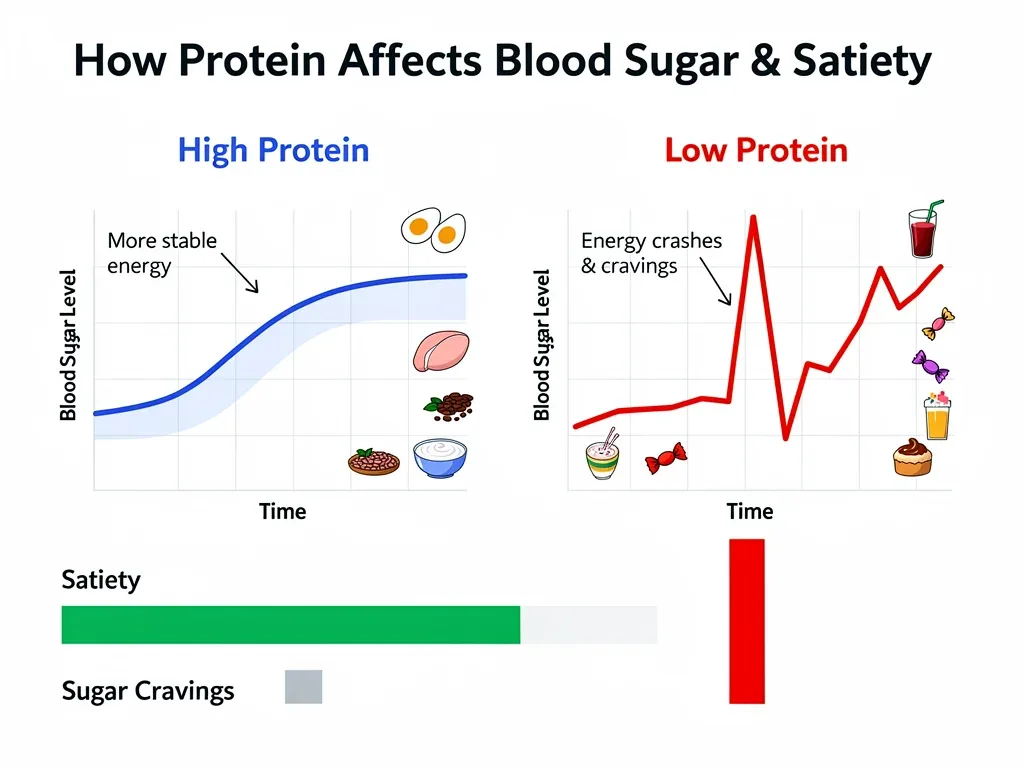
A high-protein breakfast helps to keep blood sugar levels steady. Carbohydrates, especially refined ones, cause a rapid rise in blood glucose, followed by a sharp drop, leaving you feeling sluggish and craving more sugar. Protein, however, mitigates this effect.
- Reduced Glucose Spikes: Prevents rapid blood sugar increases.
- Sustained Energy Release: Provides a steady supply of energy.
- Improved Insulin Sensitivity: Helps cells respond better to insulin.
This metabolic advantage extends throughout the day. With stable blood sugar, your body doesn't experience the same urgency to replenish glucose stores with sugary snacks. This consistent energy supply also supports cognitive function and mood, making it easier to resist impulsive food choices. The impact on metabolic health goes beyond just cravings, contributing to better weight management and reduced risk of chronic diseases.
Practical Breakfast Ideas to Hit 30 Grams of Protein
Achieving 30 grams of protein at breakfast might seem like a lot, but it's entirely feasible with a little planning. The key is to incorporate protein-dense foods that you enjoy and can easily prepare. This isn't about restrictive dieting; it's about making smart, sustainable choices.
Think beyond just eggs, although they are an excellent source. Greek yogurt, cottage cheese, lean meats, and protein powders can all contribute significantly to your morning protein goal. Combining different sources can also make your breakfast more varied and appealing.
Delicious and Easy Protein-Packed Options
Here are some practical ideas to help you reach that 30-gram target:
- Scrambled Eggs with Veggies and Cheese: 3-4 large eggs (18-24g) plus a sprinkle of cheese (5-7g).
- Greek Yogurt Parfait: 1 cup plain Greek yogurt (20-25g) with a scoop of protein powder (10-20g) and berries.
- Protein Smoothie: 1 scoop protein powder (20-30g) blended with milk, spinach, and a banana.
- Cottage Cheese with Fruit and Nuts: 1 cup cottage cheese (25-30g) with a handful of almonds.
- Leftover Lean Meat: Chicken or turkey breast (25-30g) from dinner, perhaps in an omelet.
By experimenting with these options, you can discover what works best for your taste and lifestyle. The goal is to make your high-protein breakfast enjoyable and something you look forward to. Consistency is crucial, so finding a few go-to recipes can make all the difference in sustaining this habit.
The Link Between Morning Protein and Evening Cravings
The connection between your morning meal and your evening cravings is more profound than many realize. It's not just a matter of willpower; it's a physiological response dictated by your body's early-day fuel. When you start your day with a substantial amount of protein, you set a precedent for stable energy and reduced hunger signals that carry through to the evening.
Studies have specifically highlighted that individuals who consume a high-protein breakfast experience a significant reduction in late-day cravings for high-sugar, high-fat foods. This reduction can be as high as 50%, demonstrating the powerful impact of nutrient timing.
Behavioral and Psychological Benefits
Beyond the physiological mechanisms, there are significant behavioral and psychological benefits to a protein-rich breakfast. When you feel satisfied and energized, you're less likely to make impulsive food choices. This leads to a greater sense of control over your eating habits.
- Enhanced Self-Control: Feeling full reduces the urge to snack.
- Improved Mood: Stable blood sugar prevents irritability and emotional eating.
- Better Focus: Sustained energy supports productivity, reducing stress-induced cravings.

The psychological aspect is critical. When you consistently provide your body with adequate nutrients, you break the cycle of craving and indulgence. This creates a positive feedback loop, where each healthy choice reinforces the next, leading to a more mindful and balanced approach to eating. The absence of intense cravings also frees up mental energy that might otherwise be spent battling urges.
Beyond Cravings: Other Benefits of a High-Protein Breakfast
While curbing evening sugar cravings is a significant benefit, the advantages of adopting the 30-gram morning protein rule extend far beyond. This dietary adjustment can profoundly impact overall health, energy levels, and even body composition. It's a foundational step towards a more optimized and healthier lifestyle.
Many people report increased energy throughout the day, improved mental clarity, and better management of their weight when they prioritize protein in the morning. These benefits collectively contribute to a greater sense of well-being and productivity, making the commitment to a high-protein breakfast a worthwhile investment in your health.
Weight Management and Muscle Preservation
Protein is crucial for weight management. It not only increases satiety but also helps preserve muscle mass, especially important when trying to lose weight. Muscle is metabolically active tissue, meaning it burns more calories at rest than fat, contributing to a healthier metabolism.
- Increased Satiety: Reduces overall calorie intake.
- Muscle Preservation: Supports a higher resting metabolic rate.
- Enhanced Fat Loss: Promotes burning fat for energy.
Additionally, adequate protein intake supports the repair and growth of tissues, which is vital for active individuals and those looking to build strength. A protein-rich breakfast kickstarts this process early in the day, providing the necessary building blocks for your body to function optimally. This holistic approach to nutrition supports long-term health goals, not just temporary fixes.
Making the 30-Gram Morning Protein Rule a Sustainable Habit
Adopting any new dietary habit requires consistency and a strategic approach. The 30-gram morning protein rule is no exception. The key to making it sustainable lies in planning, preparation, and finding enjoyable ways to incorporate protein into your breakfast routine. It's about building a lifestyle change, not just following a temporary diet.
Start by identifying your favorite protein sources and how you can integrate them into your morning. Meal prepping on weekends can save valuable time during busy weekdays. For instance, pre-cooking eggs or chicken sausage, or portioning out Greek yogurt and toppings, can make grabbing a high-protein breakfast quick and easy.
Tips for Long-Term Adherence
To ensure this rule becomes a lasting habit, consider these practical tips:
- Vary Your Sources: Don't stick to just one type of protein; rotate through eggs, dairy, meats, and plant-based options to keep things interesting.
- Prepare Ahead: Spend a few minutes the night before or on weekends to prep ingredients for quick breakfasts.
- Listen to Your Body: Pay attention to how you feel throughout the day and notice the reduction in cravings, which can be a powerful motivator.
- Educate Yourself: Understand the 'why' behind the rule to stay committed.
By focusing on these aspects, you can transform the 30-gram morning protein rule from a mere guideline into an ingrained part of your daily routine. The long-term benefits in terms of reduced cravings, stable energy, and improved overall health are significant, making the effort truly worthwhile. It's a simple yet powerful change that can lead to profound improvements in your well-being.
| Key Point | Brief Description |
|---|---|
| 30-Gram Protein Target | Optimal amount of protein at breakfast to curb evening sugar cravings. |
| Satiety Hormones | Protein stimulates PYY and CCK while suppressing ghrelin, reducing hunger. |
| Blood Sugar Stability | High-protein breakfast prevents glucose spikes, leading to sustained energy. |
| Sustainable Habit | Plan, prep, and vary sources for long-term adherence and benefits. |
Frequently Asked Questions About Morning Protein
Why is 30 grams of protein specifically recommended for breakfast?▼Research indicates that 30 grams of protein at breakfast is the optimal amount to maximize satiety hormones like PYY and CCK, and effectively stabilize blood sugar levels throughout the day, leading to a significant reduction in evening cravings.
Can plant-based protein sources fulfill the 30-gram morning protein rule?▼Absolutely. Plant-based options like tofu scramble, lentil patties, protein-rich smoothies with pea or soy protein powder, and combinations of beans and whole grains can easily help you reach the 30-gram target. Just ensure variety for complete amino acids.
How quickly can one expect to see results from implementing this rule?▼Many individuals report noticing a reduction in evening sugar cravings within a few days to a week of consistently consuming 30 grams of protein at breakfast. Long-term adherence yields more sustained benefits for metabolic health and appetite control.
Does the type of protein matter, or is any protein source equally effective?▼While all protein contributes, high-quality, complete protein sources (like eggs, dairy, lean meats, or well-combined plant proteins) are generally more effective due to their amino acid profile. Focus on whole, minimally processed options for best results.
What if I don't feel hungry for a large breakfast?▼You don't need a massive meal. A protein smoothie, Greek yogurt with nuts, or a small portion of eggs with cottage cheese can provide 30 grams without feeling overly full. Gradually increase protein intake to adjust your appetite.
Conclusion
The 30-gram morning protein rule is more than just a dietary recommendation; it's a strategic approach to optimizing your metabolic health and gaining control over stubborn evening sugar cravings. By prioritizing a substantial protein intake at breakfast, you initiate a cascade of physiological benefits, from stabilized blood sugar and enhanced satiety hormones to improved energy levels and better weight management. This simple yet powerful habit can lead to a significant reduction in late-day cravings, potentially by 50%, transforming your relationship with food and fostering a more balanced, healthier lifestyle. Making this rule a consistent part of your routine through thoughtful planning and varied protein sources is a small change with profound, lasting impacts on your overall well-being.
