Brainrot to Neo-Absurdism: English Linguistic Shifts
Advertisements
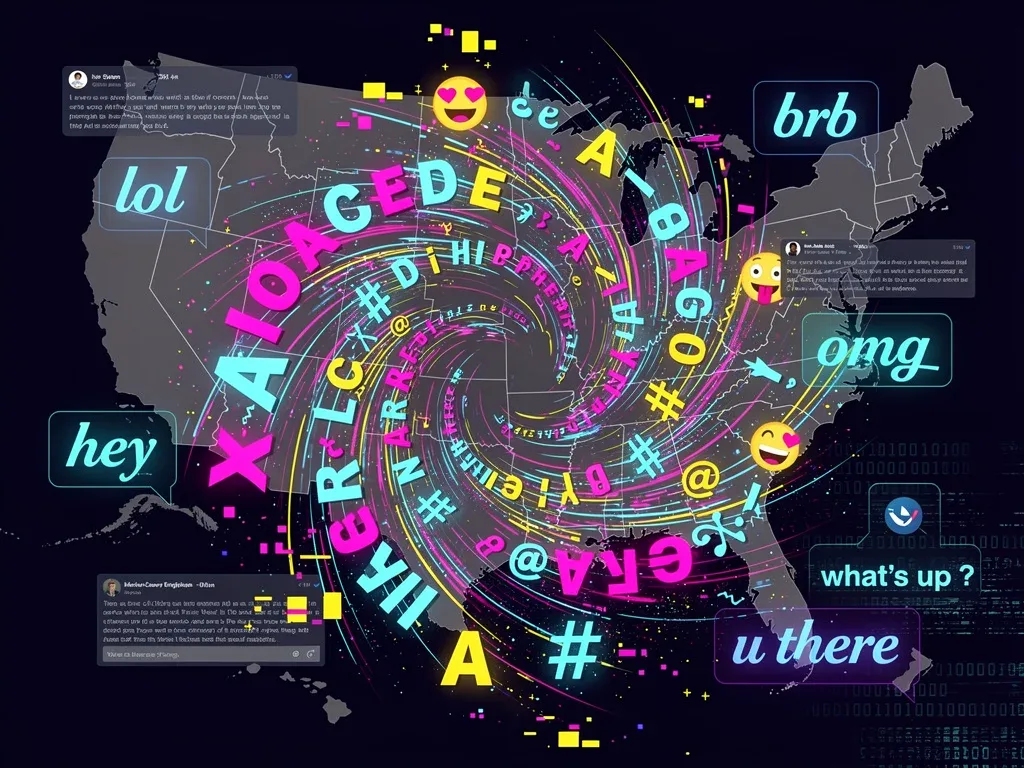
The American English language is experiencing profound transformations, characterized by phenomena like 'brainrot' and 'neo-absurdism,' fundamentally reshaping how individuals communicate and perceive reality.
Have you ever found yourself scrolling through social media, encountering terms that feel entirely new, or phrases that seem to defy traditional logic? This isn't just a fleeting trend; it's a profound transformation. We are witnessing significant changes in how we speak and understand each other, moving from concepts like From Brainrot to Neo-Absurdism: 3 Major Linguistic Shifts Transforming Everyday American English, reshaping our daily discourse.
The Digital Deluge and Language Acceleration
The internet has become an undeniable force, not just in our daily lives but also in the very fabric of our language. The sheer volume and speed of information exchange online have created an environment where linguistic evolution is not just happening, but accelerating at an unprecedented pace. This digital deluge impacts everything from vocabulary to syntax, fundamentally altering how we communicate.
This rapid linguistic shift is driven by several factors, including the democratization of content creation, the rise of visual communication, and the constant need for novelty in online spaces. What might have taken decades to integrate into mainstream language now happens in months or even weeks, challenging traditional notions of linguistic stability.
The Rise of Internet Slang and Micro-Trends
Internet slang isn't just about new words; it's about new ways of expressing ideas, often with a brevity and contextual dependency that can baffle outsiders. These linguistic micro-trends emerge, spread, and sometimes fade with astonishing speed, reflecting the ephemeral nature of online culture.
- Ephemeral Vocabulary: Words and phrases gain traction rapidly, used intensely for a period, then often replaced by newer terms.
- Contextual Dependence: Many slang terms derive their meaning heavily from the specific online communities or platforms where they originate.
- Visual Integration: Emojis, reaction images, and memes are no longer just supplements; they are integral parts of online communication, conveying complex emotions and ideas.
- Global Influence: Internet slang often transcends geographical boundaries, creating a global lexicon among digital natives.
Understanding these micro-trends is crucial for anyone trying to navigate contemporary communication. They serve as cultural markers, indicating participation in specific online communities and a certain level of digital literacy. Ignoring them means missing out on significant portions of modern discourse.
The digital deluge has created a dynamic linguistic landscape where adaptability is key. As new platforms emerge and old ones evolve, so too does the language we use to interact within them, making the study of these shifts more relevant than ever.
Shift 1: The Normalization of 'Brainrot' and Its Linguistic Offshoots
One of the most discussed and sometimes alarming linguistic shifts is the normalization of what has been colloquially termed 'brainrot.' This phenomenon describes the perceived degradation of coherent thought and language, often attributed to excessive consumption of low-quality, fast-paced digital content. While the term itself is informal and carries a negative connotation, its prevalence reflects a genuine concern about the impact of digital media on cognitive processes and linguistic expression.
The concept of 'brainrot' is not merely a critique of content quality but also a descriptor for a particular style of communication characterized by fragmented sentences, an over-reliance on memes, and a diminished capacity for sustained attention or complex articulation. It's a symptom of a broader societal shift towards instant gratification and superficial engagement.
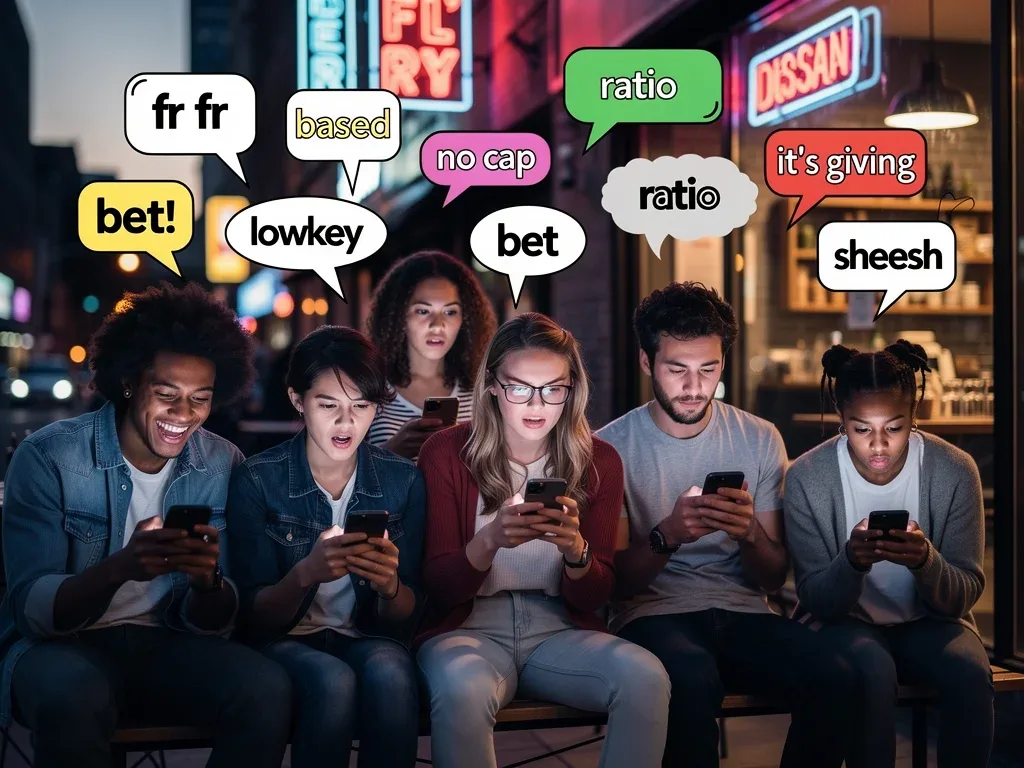
Characteristics of 'Brainrot' Language
Language associated with 'brainrot' often exhibits distinct features that set it apart from traditional communication. These characteristics, while sometimes used humorously, highlight a departure from established linguistic norms.
- Fragmented Syntax: Sentences are often short, incomplete, and lack conventional grammatical structure, prioritizing speed of delivery over grammatical correctness.
- Meme-Centric Expressions: Communication heavily relies on established internet memes, using them as shorthand for complex ideas or emotional responses, assuming shared cultural knowledge.
- Repetitive Phrasing: Certain phrases or words are repeated excessively, often without much semantic depth, serving more as fillers or markers of online identity.
- Reduced Vocabulary: A perceived reduction in the breadth and sophistication of vocabulary, with a preference for simpler, more direct terms.
This linguistic shift is particularly noticeable among younger generations who have grown up with constant digital exposure. While critics view it as a decline, others see it as an adaptation, a new form of communication suited to the rapid-fire, attention-deficit environment of the internet.
The normalization of 'brainrot' as a concept indicates a collective awareness of how digital habits can influence our minds and mouths. It's a term that encapsulates anxieties about attention spans, critical thinking, and the future of nuanced communication in an increasingly digital world.
Shift 2: The Emergence of Neo-Absurdism in Everyday Discourse
Beyond the perceived degradation of 'brainrot,' another fascinating linguistic shift is the rise of 'neo-absurdism.' This isn't just about being silly; it's a deliberate embrace of the illogical, the nonsensical, and the playfully meaningless as a form of communication and social commentary. Neo-absurdism often manifests as humor, but it also serves as a coping mechanism for navigating an increasingly complex and often overwhelming world.
Unlike traditional absurdism, which often carried a philosophical weight about the meaninglessness of existence, neo-absurdism in everyday language is frequently lighter, more spontaneous, and deeply intertwined with internet culture. It's about finding humor in the incongruous and creating shared experiences through shared confusion or delight in the bizarre.
How Neo-Absurdism Manifests Linguistically
Neo-absurdism doesn't follow a strict rulebook; its power lies in its unpredictability and its ability to subvert expectations. However, several linguistic patterns indicate its presence in contemporary American English.
- Intentional Misunderstandings: Playfully misinterpreting statements or questions to create a humorous, illogical response.
- Non-Sequitur Responses: Replies that bear no logical relation to the preceding statement, often used for comedic effect or to disarm.
- Surreal Imagery and Metaphors: Employing highly imaginative and often bizarre comparisons or descriptions that defy conventional logic.
- Deliberate Over-the-Top Language: Using hyperbolic or dramatically understated language in situations where it's clearly inappropriate, creating an absurd contrast.
This embrace of neo-absurdism can be seen in popular memes, online communities, and even casual conversations. It's a way for individuals to bond over shared experiences of a world that often feels irrational, using humor as a bridge. The linguistic gymnastics involved in crafting neo-absurdist statements require a subtle understanding of context and audience, demonstrating a different kind of linguistic sophistication.
Neo-absurdism reflects a cultural moment where the line between reality and digital performance is increasingly blurred. It’s a linguistic playground where meaning is fluid, and the joy often comes from the journey into the delightfully illogical.
Shift 3: The Blurring of Formal and Informal Registers
The third major linguistic shift transforming everyday American English is the increasing blurring of formal and informal registers. Historically, clear boundaries separated how one spoke in a professional setting versus with friends. However, the digital age, particularly through platforms like email, instant messaging, and social media, has eroded these distinctions, leading to a more fluid and context-dependent approach to language.
This blurring means that elements once considered strictly informal – such as slang, emojis, or highly colloquial phrases – now occasionally appear in contexts that would have traditionally demanded a more formal tone. Conversely, formal language might be injected into informal settings for ironic or humorous effect.
Impact on Professional and Personal Communication
The implications of this blurring are far-reaching, affecting how we perceive professionalism, authenticity, and even authority. It challenges established norms and forces individuals to constantly adapt their linguistic choices based on audience and platform.
- Professional Contexts: Emails might include emojis, or presentations might incorporate internet slang to connect with a younger audience, walking a fine line between approachability and unprofessionalism.
- Personal Contexts: While less common, the deliberate use of formal language in informal settings can create humor or emphasize a point, highlighting the playful nature of language.
- Brand Voice: Companies and public figures increasingly adopt informal, conversational tones to appear relatable and authentic to their audiences.
- Educational Settings: Educators grapple with how to maintain academic rigor while acknowledging the linguistic realities their students inhabit.
This shift isn't about the abandonment of formal language entirely, but rather a more strategic and often intuitive deployment of different registers. It requires a greater understanding of audience and context, as the wrong linguistic choice can lead to misunderstandings or misperceptions. The ability to code-switch effectively between these blurring registers has become a crucial skill in modern communication.
The blurring of registers underscores a broader cultural movement towards authenticity and a rejection of overly stiff or artificial communication. It's about finding a balance that allows for genuine expression while still conveying respect and clarity.
Navigating the New Linguistic Landscape
Understanding these linguistic shifts is not just an academic exercise; it's essential for effective communication in contemporary American society. Whether you're a parent trying to understand your child's online chatter, a professional aiming to connect with diverse audiences, or simply an individual trying to make sense of the evolving world around you, recognizing these changes is key. The new linguistic landscape demands flexibility, an open mind, and a willingness to adapt.
The internet has democratized language, allowing for unprecedented experimentation and the rapid propagation of new linguistic forms. This means that language is no longer solely dictated by traditional institutions but is a living, breathing entity shaped by everyday users.

Strategies for Effective Communication in a Changing World
Adapting to these linguistic shifts requires more than just learning new slang; it involves developing a deeper understanding of the underlying cultural currents that drive these changes. Here are some strategies to help navigate this evolving landscape:
- Stay Curious and Observe: Pay attention to how language is used in different online communities and platforms. Observe patterns and emerging trends without judgment.
- Ask Questions: Don't be afraid to ask for clarification if you encounter unfamiliar terms or expressions. Most people appreciate genuine interest in understanding.
- Practice Contextual Awareness: Understand that language choices are highly dependent on the audience, platform, and purpose of communication. What's appropriate in one setting may not be in another.
- Embrace Nuance: Recognize that seemingly simple or 'absurd' language often carries layers of meaning, irony, or cultural reference that require deeper insight.
Effective communication in this new era means being a lifelong learner of language, recognizing that its evolution is continuous. It’s about being a participant, not just an observer, in the ongoing story of how we connect with one another through words.
Navigating this new linguistic landscape means embracing the dynamic nature of language. It requires us to be more attuned, more adaptable, and more open to the myriad ways in which meaning is created and shared in our increasingly interconnected world.
The Future of American English: Adaptation and Innovation
As we look to the future, it's clear that American English will continue its dynamic evolution, shaped by technological advancements, cultural shifts, and the inherent creativity of its speakers. The linguistic phenomena of 'brainrot' and 'neo-absurdism,' along with the blurring of registers, are not endpoints but rather indicators of an ongoing process of adaptation and innovation. Language is a tool, and like any tool, it evolves to meet the demands of its users and the environments in which it is employed.
Predicting the exact trajectory of these changes is challenging, but understanding the underlying forces at play allows us to anticipate general trends. The internet will remain a primary driver of linguistic innovation, fostering new forms of expression and accelerating the spread of linguistic trends. The interplay between formal and informal, logical and absurd, will likely continue to define the character of everyday American English.
Challenges and Opportunities in Linguistic Evolution
The ongoing evolution of American English presents both challenges and opportunities for individuals and society at large. Recognizing these aspects is crucial for fostering effective communication and understanding.
- Challenges: Potential for miscommunication across generational or cultural divides; concerns about the erosion of clarity or critical thinking; the struggle to maintain linguistic standards in formal contexts.
- Opportunities: Increased creativity and expressiveness; new avenues for humor and social bonding; greater inclusivity as language adapts to diverse communities; a more dynamic and responsive communication style.
The future of American English is not about stagnation but about vibrant, continuous change. It's a testament to the resilience and adaptability of human communication. By understanding and engaging with these shifts, we can better equip ourselves to communicate effectively and participate meaningfully in the evolving linguistic landscape.
Ultimately, the future of American English will be a reflection of our collective culture, our technological advancements, and our ongoing human need to connect, express, and understand one another in ever-new and fascinating ways.
Impact on Identity and Community Formation
The linguistic shifts we've discussed—from the normalization of 'brainrot' to the rise of 'neo-absurdism' and the blurring of registers—have a profound impact on identity and community formation. Language is not merely a tool for communication; it is a fundamental aspect of how individuals perceive themselves and how groups coalesce. The adoption of specific linguistic patterns, be it internet slang or a particular tone, signals belonging and can create powerful bonds within communities, while simultaneously creating barriers for outsiders.
Online communities, in particular, thrive on shared linguistic codes. Whether it’s the inside jokes of a niche subreddit, the specific jargon of a gaming community, or the meme-laden exchanges on a social platform, these linguistic markers serve as powerful identifiers. They create a sense of solidarity and shared understanding that can be incredibly strong, fostering a unique group identity.
Linguistic Markers as Social Signals
The way we speak and write, especially in informal digital spaces, acts as a series of social signals. These signals convey more than just the literal meaning of words; they communicate cultural alignment, generational affiliation, and even personality traits. Understanding these signals is crucial for social navigation in the modern era.
- In-Group Cohesion: Using specific slang or adopting neo-absurdist humor can solidify bonds within a group, making members feel understood and connected.
- Out-Group Exclusion: Conversely, unfamiliarity with these linguistic markers can lead to feelings of exclusion or being perceived as an 'outsider,' highlighting the exclusive nature of some linguistic communities.
- Generational Divides: Linguistic shifts often create a noticeable gap between generations, with younger individuals adopting newer forms of expression faster than older ones, leading to communication challenges.
- Personal Branding: Individuals consciously or unconsciously use linguistic styles to craft their online persona and express their identity within various digital spheres.
These linguistic shifts are therefore not just about words changing; they are about the evolving dynamics of human connection. They show how language continues to be a primary vehicle for expressing who we are, where we belong, and how we relate to the world around us. Embracing this perspective allows for a richer understanding of contemporary social structures.
The impact on identity and community formation underscores the deep cultural significance of linguistic change. It reminds us that language is a living reflection of our shared human experience, constantly adapting to define and redefine our social landscape.
| Linguistic Shift | Brief Description |
|---|---|
| Brainrot Normalization | Perceived degradation of coherent thought and language due to fast-paced digital content. |
| Neo-Absurdism Rise | Embrace of illogical and nonsensical communication, often for humor or social commentary. |
| Formal/Informal Blurring | Erosion of clear boundaries between formal and informal language registers in communication. |
Frequently Asked Questions About Linguistic Shifts
What is 'brainrot' in the context of language?▼'Brainrot' refers to a perceived decline in coherent thought and language, often linked to excessive consumption of low-quality, fast-paced digital content. It manifests as fragmented sentences, over-reliance on memes, and reduced attention spans in communication.
How does 'neo-absurdism' differ from traditional absurdism?▼Neo-absurdism, unlike traditional absurdism's philosophical weight, is a lighter, more spontaneous embrace of the illogical and nonsensical in everyday language. It's deeply intertwined with internet culture, often serving as humor or a coping mechanism for complex realities.
Why are formal and informal language registers blurring?▼The blurring of registers is largely due to digital communication platforms. These platforms encourage a more fluid and context-dependent approach to language, allowing informal elements like slang and emojis to appear in traditionally formal settings, and vice-versa.
Are these linguistic shifts a sign of language degradation?▼While some view these shifts, particularly 'brainrot,' as degradation, others see them as natural adaptations to new communication environments. Language is constantly evolving; these changes reflect the dynamic needs and creative expressions of its speakers in the digital age.
How can individuals adapt to these evolving linguistic landscapes?▼Adapting involves staying curious about new terms, asking clarifying questions, and developing strong contextual awareness for communication. Embracing nuance and understanding the social signals embedded in linguistic choices are also crucial for effective interaction.
Conclusion
The linguistic landscape of American English is in a constant state of flux, profoundly influenced by the digital age. The three major shifts discussed—the normalization of 'brainrot,' the rise of 'neo-absurdism,' and the blurring of formal and informal registers—underscore a dynamic evolution rather than a simple decline. These changes reflect how individuals adapt their communication to new technologies, cultural phenomena, and evolving social needs. Understanding these transformations is crucial not only for effective communication but also for appreciating the rich, living nature of language as it continues to shape our identities and communities in the 21st century.