Continuous Glucose Monitors: Non-Diabetics' Energy Secret
Advertisements

Continuous glucose monitors (CGMs) offer non-diabetics profound insights into their blood sugar responses, revealing crucial patterns that can significantly enhance energy levels and overall well-being through personalized dietary and lifestyle adjustments.
Have you ever wondered why some days you feel inexplicably energetic, while others leave you dragging, even with adequate sleep? The secret might lie in your blood sugar. For non-diabetics, understanding how their bodies respond to food and activity through continuous glucose monitors for non-diabetics can revolutionize daily energy and overall health.
Unveiling the Power of Continuous Glucose Monitors for Non-Diabetics
For years, continuous glucose monitors (CGMs) were primarily associated with diabetes management, providing real-time data crucial for individuals with insulin-dependent conditions. However, a significant shift is underway. Non-diabetics are increasingly adopting CGMs to gain an unprecedented window into their metabolic health, transforming how they approach diet, exercise, and overall well-being. This technology moves beyond traditional blood tests, which offer only snapshot views, by delivering continuous data that reveals dynamic blood sugar fluctuations throughout the day and night.
The utility of CGMs for non-diabetics extends far beyond disease prevention. It's about optimizing health, enhancing athletic performance, and, crucially, boosting daily energy levels. By seeing how specific foods, stress, sleep, and physical activity impact their glucose, individuals can make highly personalized and informed decisions. This real-time feedback loop allows for immediate adjustments, preventing energy crashes and promoting sustained vitality. It's a proactive approach to health, shifting the focus from reactive treatment to preventative optimization.
Why Non-Diabetics Are Turning to CGMs
- Personalized Nutrition: Discovering how individual bodies react to different foods, moving beyond generalized dietary advice.
- Energy Optimization: Identifying glucose spikes and crashes that lead to fatigue, enabling adjustments for sustained energy.
- Performance Enhancement: Athletes use CGMs to fine-tune fueling strategies for better endurance and recovery.
- Sleep Quality Improvement: Understanding the link between evening meals, blood sugar, and sleep disturbances.
The insights gleaned from CGMs empower non-diabetics to become active participants in their health journey. It’s not just about avoiding disease; it’s about thriving. By observing direct correlations between their choices and their body’s responses, users develop an intuitive understanding of what truly works for them. This deeper connection to one’s own physiology fosters sustainable habits and a profound sense of control over one's health outcomes.
Insight 1: The Post-Meal Rollercoaster and Energy Dips
One of the most immediate and impactful insights gained from using a CGM as a non-diabetic is the direct visualization of the post-meal blood sugar rollercoaster. Many people, even those eating what they consider healthy, experience significant glucose spikes after certain meals. These spikes are often followed by rapid drops, leading to the dreaded energy slump, brain fog, and intense cravings that can derail productivity and mood.
Before wearing a CGM, these energy dips might be attributed to lack of sleep or general fatigue. With a CGM, the correlation becomes undeniable. A seemingly innocuous bowl of oatmeal, a fruit smoothie, or even a 'healthy' snack bar can send glucose levels soaring, prompting the body to release a surge of insulin to bring it back down. This overcorrection is what often triggers the subsequent crash, leaving you feeling sluggish and reaching for another pick-me-up.
Identifying Your Personal Trigger Foods
Not all foods affect everyone the same way. What causes a spike in one person might be perfectly fine for another. This is where the personalized data from a CGM becomes invaluable. You can conduct your own 'food experiments,' observing how your body responds to different meals and ingredients in real-time. This allows you to identify your unique trigger foods that lead to significant glucose excursions.
- Processed Carbohydrates: White bread, pastries, sugary cereals often cause sharp spikes.
- Hidden Sugars: Many seemingly savory or 'healthy' packaged foods contain surprising amounts of added sugar.
- Certain Fruits: While healthy, some high-fructose fruits can lead to higher spikes in sensitive individuals.
- Liquid Calories: Juices, sodas, and even some sweetened coffees can deliver a rapid glucose load.
Understanding these personal triggers enables you to make informed swaps and adjustments, leading to smoother glucose curves and more stable energy throughout the day. It’s about learning to eat in a way that fuels your body consistently, rather than sending it on a metabolic thrill ride. This personalized approach to nutrition is a cornerstone of optimizing daily energy and overall vitality.
Insight 2: The Impact of Exercise on Glucose Stability
Exercise is widely recognized for its numerous health benefits, but its immediate and long-term effects on blood glucose levels are particularly fascinating, especially when observed through a CGM. For non-diabetics, physical activity plays a crucial role in maintaining glucose stability, not just by burning calories, but by enhancing insulin sensitivity and promoting glucose uptake by muscles. Seeing this in real-time can be a powerful motivator and guide for optimizing your workout routine.
Different types of exercise can have varying effects on blood sugar. High-intensity interval training (HIIT) or heavy weightlifting might initially cause a temporary rise in glucose due to the release of stress hormones, which signal the liver to release stored glucose. However, this is typically followed by a more sustained and beneficial lowering of glucose as muscles become more receptive to insulin. Moderate, steady-state cardio, on the other hand, often leads to a more gradual and consistent reduction in blood sugar during the activity itself.
Optimizing Your Activity for Better Glucose Control
Integrating movement strategically into your day can significantly mitigate post-meal glucose spikes. Even short walks after meals can make a noticeable difference. The CGM provides immediate feedback, allowing you to see how a 15-minute stroll after lunch can prevent or minimize a glucose surge that would otherwise lead to an afternoon slump. This insight empowers you to use exercise as a powerful tool for metabolic management.
- Post-Meal Walks: A short walk after eating can significantly reduce glucose spikes.
- Resistance Training: Builds muscle, which acts as a glucose sink, improving long-term insulin sensitivity.
- Morning Exercise: Can help stabilize morning glucose levels and improve overall metabolic flexibility.
- Activity Breaks: Breaking up long periods of sitting with short bursts of movement can prevent glucose accumulation.
By observing your glucose responses to various forms and timings of exercise, you can fine-tune your physical activity to not only improve fitness but also to achieve optimal blood sugar control and, consequently, more stable and abundant daily energy. This direct feedback loop makes the benefits of exercise tangible and immediate.
Insight 3: The Unseen Influence of Sleep and Stress
While diet and exercise are often highlighted in discussions about glucose control, the roles of sleep and stress are equally profound, yet often overlooked, especially for non-diabetics. A continuous glucose monitor vividly illustrates how poor sleep and elevated stress levels can disrupt metabolic harmony, leading to higher baseline glucose and exaggerated responses to food. This direct visual evidence can be a powerful catalyst for prioritizing these often-neglected aspects of well-being.
Lack of sleep, even for a single night, can impair insulin sensitivity, meaning your body needs to produce more insulin to manage the same amount of glucose. This can lead to higher fasting glucose levels and more pronounced post-meal spikes the following day. Similarly, chronic stress triggers the release of hormones like cortisol, which instruct the liver to release glucose into the bloodstream, preparing the body for a 'fight or flight' response. In modern life, this often means elevated glucose without the physical exertion to utilize it.
Harnessing Better Sleep and Stress Management
Observing the glucose data in relation to your sleep patterns and stress events can provide compelling evidence for making changes. A night of restless sleep might show up as higher morning glucose readings, even if your dinner was perfectly balanced. A particularly stressful workday could correlate with unexpectedly elevated glucose, despite consistent dietary habits. This personalized feedback highlights the interconnectedness of all physiological systems.
- Prioritize Sleep Hygiene: Aim for 7-9 hours of quality sleep to improve insulin sensitivity.
- Mindfulness Practices: Meditation, deep breathing, or yoga can reduce stress-induced glucose surges.
- Evening Routine: Avoid large, late-night meals and screen time before bed to support stable overnight glucose.
- Identify Stressors: Use CGM data to pinpoint specific stress triggers and develop coping mechanisms.
Understanding these connections through your CGM allows you to implement targeted strategies for better sleep and stress management, not just for mental well-being, but for tangible improvements in your metabolic health and sustained energy levels. These insights underline that holistic health is truly about balancing all aspects of your lifestyle.
Insight 4: The Power of Food Pairing and Meal Timing
Beyond simply identifying trigger foods, continuous glucose monitors for non-diabetics reveal the nuanced art of food pairing and the strategic importance of meal timing. It's not just what you eat, but how and when you combine foods that dramatically influences your blood sugar response. This insight can transform your approach to meal planning, allowing you to enjoy a wider variety of foods while maintaining stable glucose and consistent energy.
For instance, eating a carbohydrate-rich food by itself often leads to a sharper glucose spike than if that same food is consumed alongside protein, healthy fats, or fiber. Protein and fats slow down gastric emptying, leading to a more gradual absorption of glucose. Fiber also plays a crucial role in mitigating spikes, acting as a buffer in the digestive system. Seeing these effects in real-time on a CGM empowers you to consciously construct meals that promote metabolic stability.
Strategic Meal Construction for Stable Glucose
Experimenting with different food combinations and meal timings can yield surprising results. You might discover that having a small portion of nuts before a meal, or adding a generous serving of non-starchy vegetables, significantly blunts the glucose response of your main course. Similarly, the timing of your meals, particularly dinner, can impact overnight glucose levels and morning readiness.
- Protein First: Consuming protein or healthy fats before carbohydrates can reduce the overall glucose spike.
- Fiber-Rich Additions: Pairing carbs with plenty of vegetables, legumes, or whole grains to slow absorption.
- Balanced Meals: Always aim for a mix of protein, healthy fats, and complex carbohydrates.
- Early Dinner: Eating dinner earlier in the evening can improve overnight glucose control and sleep quality.
By actively observing the impact of food pairing and meal timing through your CGM, you gain practical, actionable knowledge that allows for greater dietary flexibility without sacrificing energy or metabolic health. This personalized approach empowers you to fine-tune your eating habits for optimal vitality and well-being.
Insight 5: Discovering Your Unique Metabolic Fingerprint
Perhaps the most profound insight gained from using a continuous glucose monitor as a non-diabetic is the realization that metabolic responses are highly individualized. There's no one-size-fits-all diet or exercise plan that works optimally for everyone. Your 'metabolic fingerprint' is a unique pattern of how your body processes glucose in response to diet, activity, stress, and sleep, and a CGM is the ultimate tool for uncovering it.
What might be considered a healthy food for one person could cause a significant glucose spike in another. This variability is influenced by a multitude of factors, including genetics, gut microbiome composition, stress levels, sleep quality, and even the time of day. Relying on generalized dietary advice without understanding your personal metabolic responses can lead to suboptimal health outcomes and persistent energy issues.
Leveraging Your Unique Data for Sustainable Health
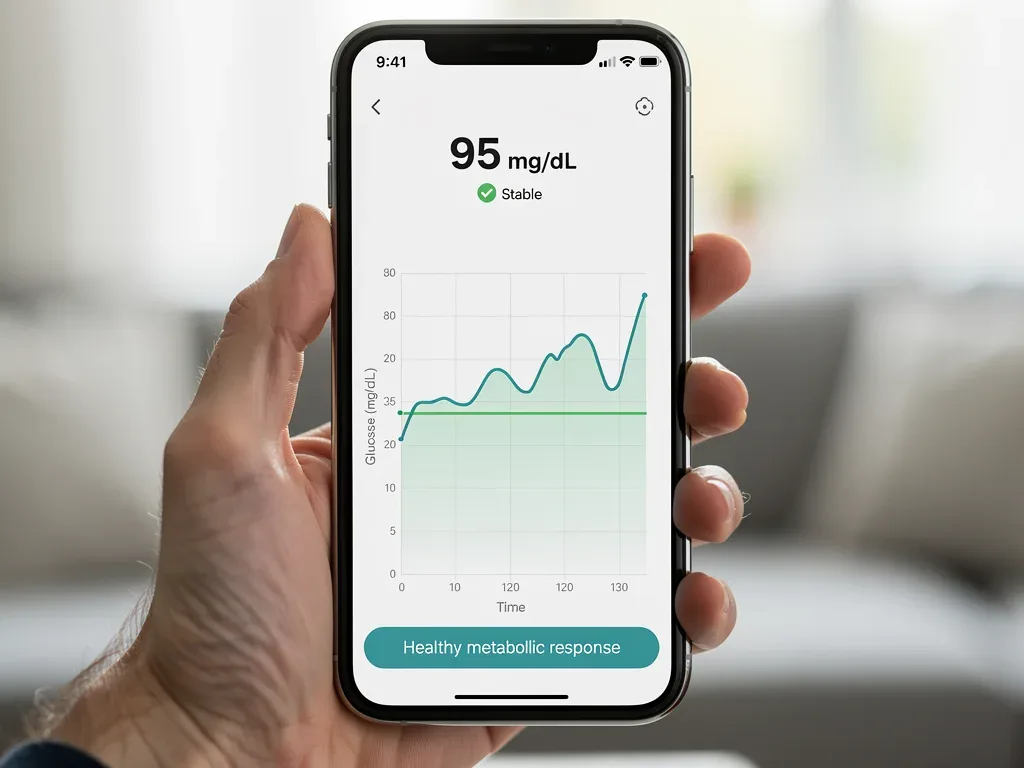
The CGM provides the data to move beyond guesswork and generic recommendations. It allows you to identify your personal optimal zones for glucose, understand which foods are truly 'good' for your body, and recognize the specific lifestyle interventions that yield the best results for your energy levels. This personalized data empowers you to craft a truly bespoke health strategy.
- Individualized Food Sensitivities: Pinpointing specific foods that cause disproportionate glucose responses.
- Personalized Exercise Benefits: Understanding which types and timings of exercise best stabilize your glucose.
- Optimal Meal Composition: Discovering the ideal macronutrient ratios for your body.
- Bio-Individuality: Recognizing that your body's needs and responses are unique and require tailored approaches.
Embracing your unique metabolic fingerprint, as revealed by a CGM, is the key to unlocking consistent, doubled daily energy and achieving sustainable, long-term health. It transforms health management from a set of rigid rules into an empowering journey of self-discovery and optimization. This deep understanding leads to far more effective and enjoyable health practices.
Beyond Glucose: Holistic Health Optimization
While continuous glucose monitors primarily provide insights into blood sugar, their utility for non-diabetics extends far beyond mere glucose numbers. The real-time data acts as a powerful feedback loop, encouraging a more holistic approach to health. By connecting diet, exercise, sleep, and stress to tangible physiological responses, CGMs foster a deeper understanding of overall well-being and how various lifestyle factors interrelate.
For example, observing how a restless night impacts morning glucose levels might prompt you to prioritize sleep hygiene. Seeing a significant spike after a particularly stressful meeting could encourage you to incorporate more mindfulness practices into your day. The CGM doesn't just show you a number; it reveals the intricate dance of your body's systems and how your daily choices either support or disrupt that balance. This comprehensive view is essential for truly optimizing daily energy and long-term health.
Integrating CGM Data into a Broader Wellness Strategy
The data from a CGM can be integrated with other health metrics, such as heart rate variability, activity trackers, and even subjective energy logs, to create a comprehensive picture of your health. This multi-faceted approach allows for more informed decision-making and a more profound impact on your vitality. It’s about creating a lifestyle that consistently supports optimal metabolic function and sustained energy.
- Mindful Eating: CGM data encourages more conscious food choices and portion control.
- Activity Timing: Optimizing when you exercise for maximum glucose benefits and energy.
- Stress Reduction: Direct feedback on how stress impacts glucose can motivate stress management techniques.
- Sleep Enhancement: Understanding the glucose-sleep connection leads to better sleep habits.
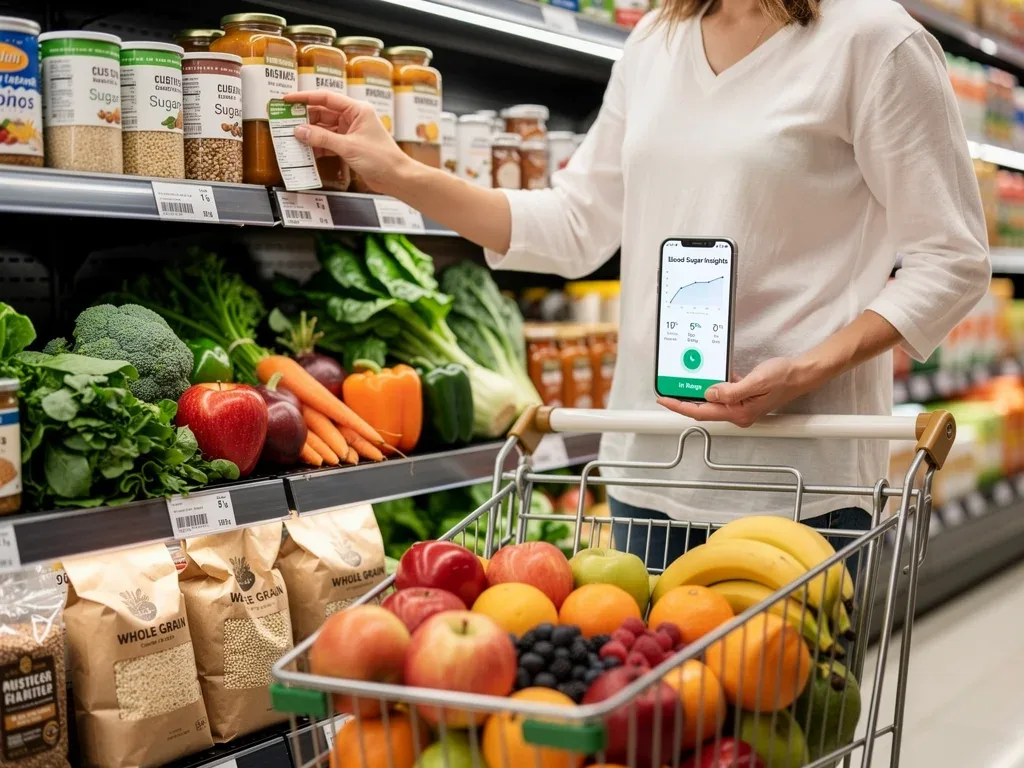
Ultimately, using a CGM as a non-diabetic is about empowerment. It provides the knowledge to take control of your metabolic health, moving beyond generic advice to a personalized strategy that genuinely doubles your daily energy and enhances your overall quality of life. This technology is a game-changer for anyone seeking to optimize their health proactively.
| Key Insight | Description |
|---|---|
| Post-Meal Rollercoaster | Identifies specific foods causing glucose spikes and subsequent energy dips, allowing for dietary adjustments. |
| Exercise Impact | Reveals how different types and timings of physical activity influence glucose stability and energy levels. |
| Sleep & Stress Influence | Highlights the direct correlation between sleep quality, stress levels, and blood sugar dysregulation. |
| Food Pairing & Timing | Shows how combining foods and meal timing can significantly smooth glucose responses and maintain energy. |
Frequently Asked Questions About CGMs for Non-Diabetics
What exactly is a continuous glucose monitor (CGM)?▼A CGM is a small wearable device that measures glucose levels in your interstitial fluid continuously throughout the day and night. It provides real-time data, often sent to a smartphone app, showing trends and patterns that traditional finger-prick tests cannot capture.
Why would a non-diabetic use a CGM?▼Non-diabetics use CGMs to optimize metabolic health, understand personal responses to food and exercise, boost energy, and prevent future health issues. It offers unique insights into how daily lifestyle choices impact blood sugar and overall well-being.
Are CGMs safe for non-diabetics?▼Yes, CGMs are generally safe. They are minimally invasive, typically involving a small sensor inserted under the skin that lasts for 10-14 days. There are no known significant risks for non-diabetic users, though consulting a healthcare professional is always recommended.
How can CGM data help double my daily energy?▼By identifying and mitigating glucose spikes and crashes, which are common causes of fatigue, CGMs help you maintain stable blood sugar. This stability leads to sustained energy, improved focus, and fewer cravings throughout your day, effectively doubling your vitality.
Is a prescription required for a CGM for non-diabetics?▼In the United States, most CGMs currently require a prescription, even for non-diabetic use. However, some wellness-focused platforms and telehealth services are emerging that facilitate access to CGMs for individuals seeking metabolic insights without a diabetes diagnosis.
Conclusion
The advent of continuous glucose monitors for non-diabetics marks a paradigm shift in personalized health. Moving beyond reactive disease management, these devices empower individuals to proactively optimize their metabolic health, leading to tangible improvements in daily energy, mental clarity, and overall well-being. By providing real-time, actionable insights into how diet, exercise, sleep, and stress impact blood sugar, CGMs reveal a unique metabolic fingerprint for each user. This personalized data allows for highly targeted lifestyle adjustments, transforming guesswork into informed decisions. Embracing this technology can be the key to unlocking a sustained, vibrant energy that truly doubles your daily vitality, paving the way for a healthier, more energetic future.
