Live-Stream Commerce: Digital Shoppers' $35 Billion Impact
Advertisements
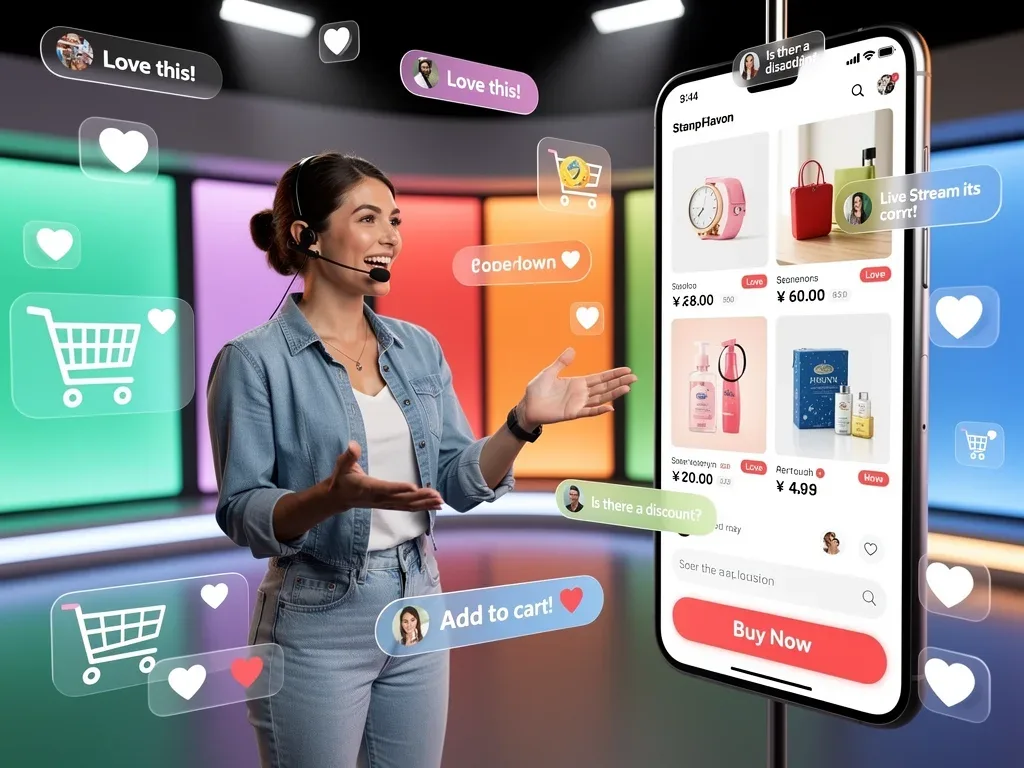
Interactive live-stream commerce has rapidly reshaped the digital retail landscape, enabling shoppers to generate over $35 billion through engaging in-app streams, blending entertainment with instant purchasing opportunities.
The digital retail world is constantly evolving, and one of the most compelling transformations we've witnessed recently is the meteoric rise of interactive live-stream commerce: how digital shoppers generated $35 billion through in-app streams. This innovative blend of entertainment and instant purchasing has captivated millions, redefining how consumers discover and acquire products. Gone are the days of passive browsing; today's shoppers are actively engaging with brands in real-time, driving unprecedented sales figures and creating a vibrant new marketplace.
The Genesis of Live-Stream Commerce in the US Market
Live-stream commerce, while a relatively new phenomenon in the United States, has deep roots in Asian markets, particularly China, where it has been a dominant retail force for years. Its arrival in the US brought a fresh approach to online shopping, characterized by immediacy, authenticity, and direct interaction. This section explores the foundational elements that paved the way for its significant impact on American digital retail.
Initially, Western consumers were accustomed to traditional e-commerce platforms and static product pages. However, the pandemic accelerated the adoption of digital solutions, creating a fertile ground for live-stream commerce to flourish. Brands quickly realized the potential of connecting with customers in a more dynamic and personal way, mirroring the experience of in-store shopping but with the convenience of online access.
Early Adopters and Platform Evolution
Several platforms, both established and emerging, played crucial roles in popularizing live-stream commerce. Social media giants leveraged their existing user bases, while dedicated shopping apps innovated with interactive features.
- Social Media Integration: Platforms like Instagram and Facebook introduced live shopping features, allowing creators and brands to showcase products and facilitate purchases directly within their streams.
- Dedicated Shopping Apps: New players emerged, focusing solely on live shopping experiences, offering enhanced tools for hosts and seamless checkout processes for viewers.
- Influencer Collaboration: The rise of micro- and macro-influencers provided a natural synergy, as these personalities already possessed engaged audiences eager for product recommendations.
The convergence of these factors created a powerful ecosystem where brands could experiment with various live formats, from product launches and demonstrations to Q&A sessions and exclusive flash sales. This experimental phase was crucial in understanding consumer preferences and refining the interactive elements that would eventually define the live-stream commerce experience in the US.
The early days were marked by cautious optimism, but as success stories mounted, more retailers and brands began to allocate significant resources to this burgeoning channel. This collective effort laid the groundwork for the substantial financial growth seen in subsequent years.
Decoding the $35 Billion Phenomenon: What Drives Live Shopping Success?
The impressive figure of $35 billion generated through in-app streams isn't merely a statistic; it represents a profound shift in consumer behavior and retail strategy. Understanding the core drivers behind this success is key to appreciating the power of live-stream commerce.
At its heart, live shopping thrives on a unique blend of entertainment, instant gratification, and social interaction. It transforms a typically solitary activity into a communal experience, where shoppers can engage with hosts and each other, ask questions in real-time, and make informed purchasing decisions in a dynamic environment.
Key Elements Fueling Engagement and Sales
Several factors contribute to the high conversion rates and significant revenue generation observed in live-stream commerce. These elements work in concert to create a compelling and often irresistible shopping journey.
- Authenticity and Trust: Hosts, often influencers or brand representatives, build trust through genuine product demonstrations and candid interactions. This authenticity resonates deeply with viewers, fostering a sense of reliability.
- Urgency and Exclusivity: Many live streams incorporate limited-time offers, exclusive bundles, or flash sales, creating a sense of urgency that encourages immediate purchases. This 'fear of missing out' (FOMO) is a powerful motivator.
- Interactive Features: Polls, Q&A sessions, live comments, and direct product links within the stream allow viewers to actively participate, making them feel like part of a community rather than passive observers.
- Visual Merchandising: Products are showcased dynamically, often with hosts demonstrating their use, textures, and benefits in ways that static images or pre-recorded videos cannot replicate.
The ability to see products in action, get immediate answers to questions, and feel a connection with the presenter creates a much more immersive and persuasive shopping experience. This human element is a significant differentiator from traditional e-commerce, fostering a loyal customer base eager to participate in future events.
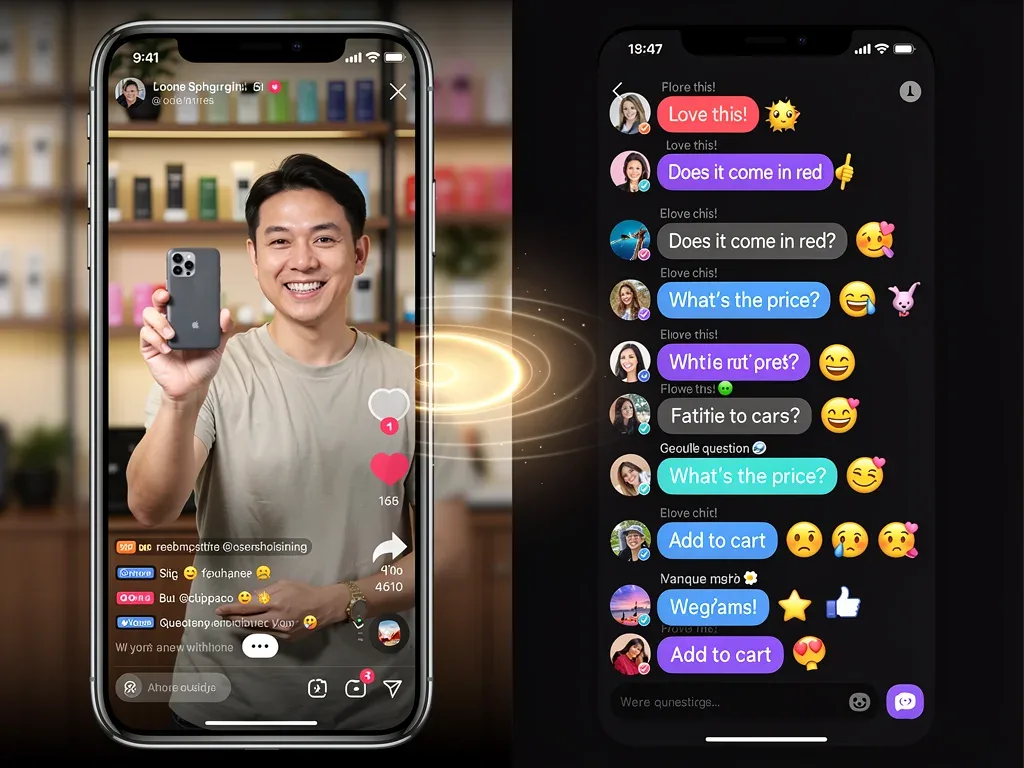
The success isn't just about selling products; it's about building a community around a brand. Shoppers return not only for deals but also for the entertainment and social connection, solidifying the channel's long-term viability.
The Technology Underpinning Interactive Shopping Streams
Behind every seamless live-stream shopping experience lies a sophisticated technological infrastructure. From high-definition video streaming to real-time inventory management and secure payment gateways, the technology is crucial for delivering a smooth and engaging user journey. Understanding these technological underpinnings helps appreciate the complexity and innovation involved.
The platforms supporting live-stream commerce must be robust, capable of handling thousands, if not millions, of concurrent viewers without lag or interruption. This requires significant investment in server infrastructure, content delivery networks (CDNs), and advanced streaming protocols to ensure a high-quality broadcast regardless of the viewer's location or device.
Essential Technological Components
Several key technological components work in tandem to create the interactive and transactional capabilities of live shopping streams.
- High-Quality Video Streaming: Essential for clear product presentation and host visibility, utilizing adaptive bitrate streaming to adjust quality based on viewer's internet connection.
- Real-time Chat and Moderation: Enables instant communication between viewers and hosts, often supported by AI-powered moderation to filter inappropriate content and manage high volumes of messages.
- Integrated E-commerce Functionality: Direct links to product pages, in-app checkout, and one-click purchasing options are paramount for converting viewer interest into sales efficiently.
- Analytics and Data Tracking: Platforms collect vast amounts of data on viewer engagement, purchase patterns, and stream performance, allowing brands to optimize future live events.
- Augmented Reality (AR) and Virtual Try-On: Increasingly, AR features allow shoppers to virtually try on clothing, visualize furniture in their homes, or test makeup shades, enhancing the interactive experience and reducing purchase hesitancy.
The continuous innovation in these technological areas ensures that live-stream commerce remains at the forefront of digital retail. As technology advances, we can expect even more immersive and personalized shopping experiences, further blurring the lines between entertainment and commerce.
The seamless integration of these technologies is what allows a host to demonstrate a product, answer a question from a viewer in the chat, and have that viewer complete a purchase all within seconds, without ever leaving the live stream environment. This efficiency is a major contributor to the high conversion rates observed.
Impact on Brands and Retailers: A New Sales Channel
For brands and retailers, live-stream commerce represents more than just a passing trend; it's a powerful new sales channel that offers distinct advantages over traditional e-commerce and brick-and-mortar retail. Its ability to foster direct customer relationships and generate immediate sales has made it an indispensable tool in the modern retail landscape.
The direct interaction with consumers allows brands to gather instant feedback, understand preferences in real-time, and tailor their offerings accordingly. This agility is a significant asset in a fast-paced market where consumer tastes can shift rapidly. Furthermore, the entertainment aspect of live streams helps brands build deeper emotional connections with their audience, transforming passive consumers into engaged community members.
Strategic Benefits for Businesses
Adopting live-stream commerce offers a multitude of strategic benefits for businesses of all sizes, from nascent startups to established enterprises.
- Increased Sales and Conversion Rates: The interactive nature, urgency, and direct purchasing paths often lead to significantly higher conversion rates compared to static product pages.
- Enhanced Brand Engagement: Live streams provide a dynamic platform for storytelling, product demonstrations, and Q&A sessions, deepening customer engagement and loyalty.
- Cost-Effective Marketing: While requiring initial setup, live streams can be a highly cost-effective way to reach a large, engaged audience, often yielding better ROI than traditional advertising.
- Real-time Market Research: Direct interaction with viewers provides invaluable insights into product demand, customer questions, and emerging trends, informing future product development and marketing strategies.
- Inventory Management: Flash sales and limited-time offers during live streams can be an effective way to move excess inventory or introduce new products with immediate feedback.
Moreover, live-stream commerce democratizes retail, allowing smaller brands and artisans to compete with larger corporations by leveraging personality and direct engagement. It evens the playing field, emphasizing authenticity and community over sheer marketing budget.
The shift towards this interactive model has forced brands to rethink their digital strategies, moving beyond mere transactional relationships to cultivate a more experiential and community-driven approach to sales. This evolution is vital for staying relevant in an increasingly competitive market.
Consumer Behavior Shifts: The Allure of Interactive Shopping
The success of live-stream commerce is intrinsically linked to fundamental shifts in consumer behavior and expectations. Modern digital shoppers are not just looking for products; they seek experiences, authenticity, and a sense of connection. Live shopping caters directly to these evolving desires, making it an attractive alternative to conventional online retail.
Consumers are increasingly wary of heavily edited advertisements and impersonal online storefronts. They crave transparency and genuine interactions, which live streams provide in abundance. The ability to see a product demonstrated by a real person, ask questions, and receive immediate answers builds a level of trust that is often missing from other digital channels.
Why Shoppers Embrace Live Streams
Several psychological and practical factors contribute to the strong appeal of interactive shopping streams for consumers.
- Entertainment Value: Live streams are inherently entertaining, blending elements of reality TV, game shows, and infomercials. This makes shopping a fun and engaging activity rather than a chore.
- Social Connection: The chat function allows viewers to interact with each other and the host, fostering a sense of community and shared experience, much like shopping with friends.
- Access to Expertise: Hosts often provide expert advice, tips, and demonstrations that empower shoppers to make more informed decisions about their purchases.
- Immediate Gratification: The ability to purchase a product instantly during a live stream, especially with exclusive deals, provides a powerful sense of satisfaction.
- Discovery and Inspiration: Many shoppers tune in to live streams not necessarily to buy something specific, but to discover new products and gain inspiration, turning browsing into an active, engaging process.
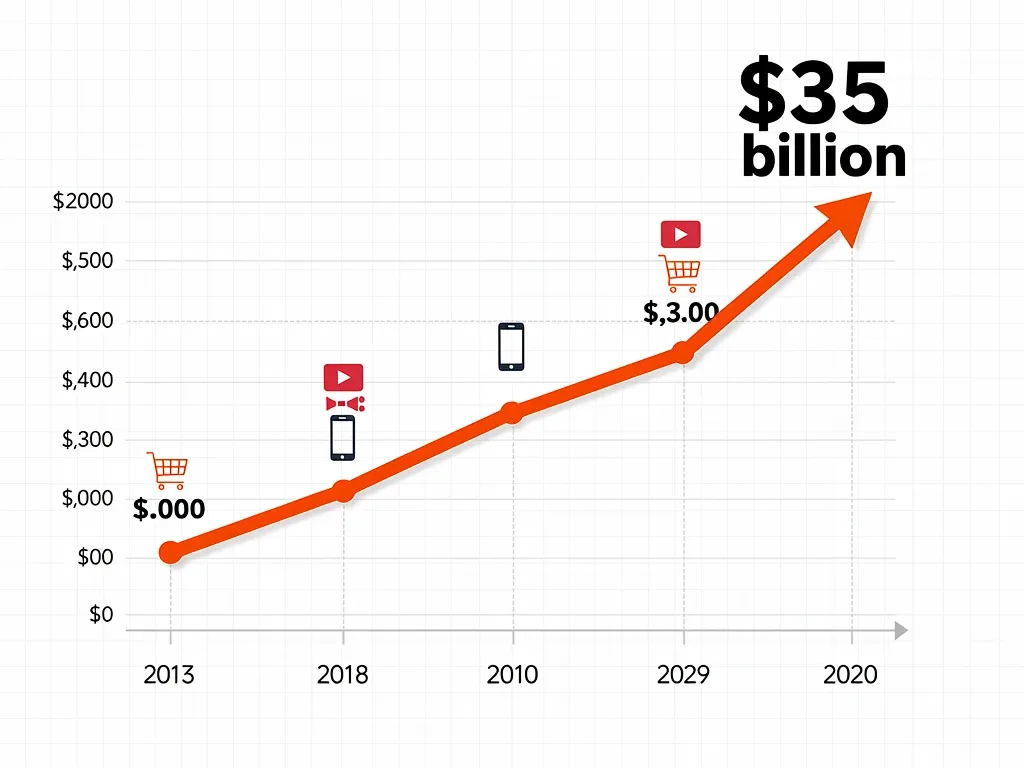
This shift reflects a broader trend where consumers prioritize experiences over mere transactions. Live-stream commerce delivers on this by providing a dynamic, social, and trustworthy environment that traditional online shopping often lacks. The communal aspect, in particular, taps into a human need for connection, making the shopping journey feel less isolated.
Ultimately, the allure of interactive shopping lies in its ability to humanize the digital retail experience, making it more engaging, transparent, and enjoyable for the modern consumer.
The Future Landscape of Live-Stream Commerce in the US
With $35 billion already generated, live-stream commerce is far from reaching its peak in the US. The trajectory suggests continued growth and evolution, with new technologies and strategies set to further refine and expand its reach. Predicting the future of this dynamic sector involves considering technological advancements, evolving consumer expectations, and strategic adaptations by brands.
The market is expected to mature, moving beyond novelty to become a deeply integrated component of retail strategies. This maturation will likely involve greater sophistication in content creation, more personalized experiences, and a broader adoption across diverse product categories.
Emerging Trends and Predictions
Several key trends are poised to shape the next phase of live-stream commerce in the American market.
- Hyper-Personalization: AI and machine learning will enable streams to be tailored to individual viewer preferences, recommending products and content based on past behavior and demographic data.
- Metaverse Integration: As virtual and augmented realities become more mainstream, live shopping experiences may transition into immersive metaverse environments, allowing for virtual try-ons and interactive product exploration in 3D.
- B2B Live-Stream Commerce: While currently consumer-focused, live streaming could expand into the business-to-business sector, facilitating real-time product showcases and negotiations for wholesale buyers.
- Sustainability Focus: Brands will increasingly use live streams to highlight their sustainable practices, ethical sourcing, and eco-friendly products, appealing to a growing segment of conscious consumers.
- Hybrid Retail Models: The line between online and offline will further blur, with live streams potentially originating from physical stores or incorporating in-store elements, offering a truly omnichannel experience.
The integration of advanced analytics will also play a crucial role, allowing brands to measure the impact of their live streams with greater precision and optimize their strategies for maximum ROI. The emphasis will shift from simply broadcasting to creating highly targeted and measurable interactive campaigns.
The future of live-stream commerce in the US is bright, promising a more interactive, personalized, and integrated shopping experience that will continue to redefine the retail landscape for years to come. Its ability to adapt to new technologies and consumer demands ensures its enduring relevance.
Challenges and Opportunities in the Live Shopping Ecosystem
While the growth of live-stream commerce has been phenomenal, it is not without its challenges. Like any emerging market, it faces hurdles related to content quality, platform saturation, and consumer trust. Addressing these challenges effectively will be crucial for sustained growth and broader adoption.
One significant challenge is maintaining high-quality content that consistently engages viewers. As more brands enter the space, the competition for viewer attention intensifies, requiring creative and compelling programming to stand out. Another hurdle is the technical complexity for smaller businesses, which may lack the resources for professional setups or robust platform integration.
Navigating the Road Ahead
Overcoming these obstacles presents significant opportunities for innovation and differentiation within the live shopping ecosystem.
- Content Professionalization: Investing in skilled hosts, high-quality production, and engaging storytelling will be essential to capture and retain audience attention.
- Platform Innovation: Development of user-friendly tools and templates will lower the barrier to entry for small and medium-sized businesses, democratizing access to live-stream capabilities.
- Building Trust and Transparency: Clear return policies, honest product representation, and responsive customer service during and after streams will reinforce consumer confidence.
- Data-Driven Optimization: Leveraging analytics to understand viewer behavior, peak engagement times, and product performance will enable brands to refine their strategies continuously.
- Regulatory Frameworks: As the market grows, the need for clear guidelines regarding advertising standards, consumer protection, and data privacy will become more pronounced, fostering a safer environment for all participants.
Furthermore, the opportunity lies in expanding beyond fashion and beauty, which currently dominate the space, into categories like home goods, electronics, and even services. Each new category brings its own set of challenges and demands unique approaches to live demonstration and interaction.
By proactively addressing these challenges and embracing the opportunities they present, the live-stream commerce ecosystem can continue its impressive growth trajectory, delivering value to both brands and consumers alike.
| Key Aspect | Brief Description |
|---|---|
| Market Growth | Digital shoppers generated $35 billion through in-app live streams, demonstrating significant market expansion. |
| Key Drivers | Authenticity, urgency, interactive features, and visual merchandising fuel high engagement and sales. |
| Technological Foundation | Robust streaming, real-time chat, integrated e-commerce, and analytics are essential for seamless experiences. |
| Future Outlook | Continued innovation in personalization, metaverse integration, and B2B applications expected. |
Frequently Asked Questions About Live-Stream Commerce
What is interactive live-stream commerce?▼Interactive live-stream commerce is a digital shopping method where products are showcased and sold in real-time through live video streams. It allows viewers to interact with hosts, ask questions, and make purchases directly within the stream, blending entertainment with immediate retail transactions.
How much revenue did digital shoppers generate through in-app streams?▼Digital shoppers generated a remarkable $35 billion through interactive live-stream commerce in recent periods. This figure highlights the significant financial impact and rapid adoption of this innovative retail channel, particularly within various in-app shopping environments.
What makes live-stream commerce so engaging for consumers?▼'>Its engagement stems from authenticity, real-time interaction, and a sense of urgency. Consumers enjoy seeing products demonstrated live, getting immediate answers to questions, and feeling part of a community, which makes the shopping experience more entertaining and trustworthy.
What are the benefits for brands adopting live-stream commerce?▼Brands benefit from increased sales and conversion rates, enhanced brand engagement, cost-effective marketing, and real-time market research. It allows for direct customer connection, fostering loyalty and providing invaluable insights into consumer preferences and product demand.
What is the future outlook for live-stream commerce in the US?▼The future outlook is promising, with expectations of hyper-personalization through AI, integration with metaverse technologies, expansion into B2B sectors, and a stronger focus on sustainability. It will continue to evolve into a more immersive and data-driven retail experience.
Conclusion
The journey of interactive live-stream commerce from a niche trend to a $35 billion powerhouse within the digital retail landscape underscores a fundamental shift in how consumers interact with brands and make purchasing decisions. It represents a potent fusion of entertainment, community, and immediate gratification, resonating deeply with modern shoppers seeking more engaging and authentic experiences. For brands, it has opened a dynamic new channel for sales, engagement, and real-time market insights, proving indispensable in an increasingly competitive environment. As technology continues to advance and consumer expectations evolve, live-stream commerce is poised for even greater innovation, promising a future where shopping is not just a transaction, but a truly immersive and interactive adventure.
