Nostalgia Cycle Drops to 3 Years: Internet Culture's Rapid Throwbacks
Advertisements
The accelerated shift in internet culture has compressed the traditional nostalgia cycle to approximately three years, significantly impacting how digital trends, memes, and content rapidly re-emerge and resonate with online audiences.
Have you ever scrolled through your feed, stumbled upon a meme from three years ago, and thought, 'Wow, that feels like a lifetime ago'? You’re not alone. The phenomenon known as the nostalgia cycle internet has dramatically shortened, morphing from a multi-decade journey into a blink-and-you-miss-it sprint of just three years. This rapid acceleration is reshaping how we consume and create content, fostering an intense, almost immediate longing for the recent past.
The Shrinking Window of Retro Appeal
The traditional concept of nostalgia once suggested a longing for a past that was at least a generation removed. Think 80s kids reminiscing about the 60s, or 90s teens pining for the 70s. These cycles often spanned 20 to 30 years, giving enough time for cultural artifacts to ripen into beloved relics. However, the internet, with its insatiable appetite for content and its ability to archive every fleeting trend, has fundamentally altered this timeline.
Today, the feeling of 'retro' can apply to something that happened just a few years ago. A viral dance from 2021 can feel like ancient history by 2024, yet simultaneously evoke a powerful sense of nostalgia. This compressed timeframe is a unique characteristic of digital culture, where trends are born, flourish, and fade with unprecedented speed.
From Decades to Digital Minutes
The internet's constant churn of information means that cultural moments, once allowed to slowly permeate society, now explode onto the scene and are almost immediately archived. This instant cataloging creates a vast, searchable database of 'past' experiences, making them readily accessible for rapid re-discovery and nostalgic reflection.
- Instant Archiving: Every meme, viral video, and social media trend is saved and easily retrievable.
- Algorithmic Recall: Social media algorithms frequently resurface old content, triggering memories.
- Ephemeral Nature of Trends: The sheer volume of new content makes recent past trends feel distant quicker.
This rapid cycling isn't just about memory; it's about the emotional connection we form with these digital artifacts. The intensity of online engagement means that even brief trends can carve out a significant space in our collective consciousness, making their return feel deeply personal and communal, even if the 'past' is incredibly recent.
The Role of Social Media in Accelerating Nostalgia
Social media platforms are not merely passive observers of this accelerated nostalgia cycle; they are active catalysts. Their architecture is designed to foster engagement, and few things are as engaging as a shared trip down memory lane, even if that lane is only three years long. Features like 'On This Day' or 'Memories' actively push users to revisit their past posts and interactions, turning personal digital history into a continuous stream of mini-throwbacks.
Beyond personal memories, the collective experience of social media ensures that popular trends and memes from the recent past are constantly being re-shared, remixed, and re-contextualized. This constant re-engagement keeps these cultural touchstones alive, preventing them from truly fading into obscurity and priming them for a quick nostalgic resurgence.
Algorithm-Driven Reminiscence
Algorithms play a crucial role in curating our nostalgic experiences. They learn what we engage with and then serve up similar content, including older posts that align with our interests. This creates a feedback loop where our engagement with 'throwback' content signals to the algorithm that we enjoy it, leading to more such content being presented.
The constant stream of new content means that the 'present' is always fleeting. What is viral today is old news tomorrow, but not forgotten. Instead, it enters a vast digital archive, ready to be pulled out and re-examined through the lens of nostalgia, often within a remarkably short period. This creates a unique cultural dynamic where the past is always just a click away, making the three-year nostalgia cycle feel entirely natural to digital natives.
Why Three Years? Dissecting the Micro-Cycle
The precise three-year mark for the accelerated nostalgia cycle isn't an arbitrary number; it likely stems from a confluence of factors unique to the internet age. One significant element is the rapid evolution of technology and platforms. A feature or app that was cutting-edge three years ago might feel clunky or outdated today, creating a sense of temporal distance that fuels nostalgic reflection.
Consider the lifespan of a viral trend. A meme might dominate the internet for a few months, then gradually fade. After a period of dormancy, perhaps two to three years, it's often ripe for re-discovery. This re-discovery isn't just about remembering; it's about re-contextualizing. What was once novel becomes charmingly old-fashioned, or ironically relevant, enabling a fresh wave of engagement.
Generational Shifts and Digital Milestones
- Rapid Generational Turnover: Younger generations entering online spaces encounter 'older' content from just a few years prior, experiencing it as novel history.
- Technological Obsolescence: Rapid advancements make older tech (and associated culture) feel 'retro' quickly.
- Content Saturation: The sheer volume of new content makes previous trends feel distant sooner.
The three-year mark also aligns with significant shifts in social media trends and user behavior. Platforms themselves evolve, new apps gain prominence, and communication styles shift. This constant flux creates distinct 'eras' within internet culture, each ripe for nostalgic revisiting once it has passed. It's a testament to the internet's ability to create and then immediately historicize its own culture.
The Impact on Content Creation and Consumption
The shortened nostalgia cycle has profound implications for content creators and consumers alike. For creators, understanding this rapid turnover means that what was popular recently can be a goldmine for new content. Remixing old memes, revisiting past viral challenges, or creating 'where are they now' content for internet personalities from just a few years ago are all viable strategies.
This also means that creators need to be constantly aware of the cultural pulse, not just for what's new, but for what's ripe for a nostalgic resurgence. The ability to tap into this collective memory, even a very recent one, can lead to significant engagement and virality. It's a delicate balance between innovation and respectful homage to the recent past.
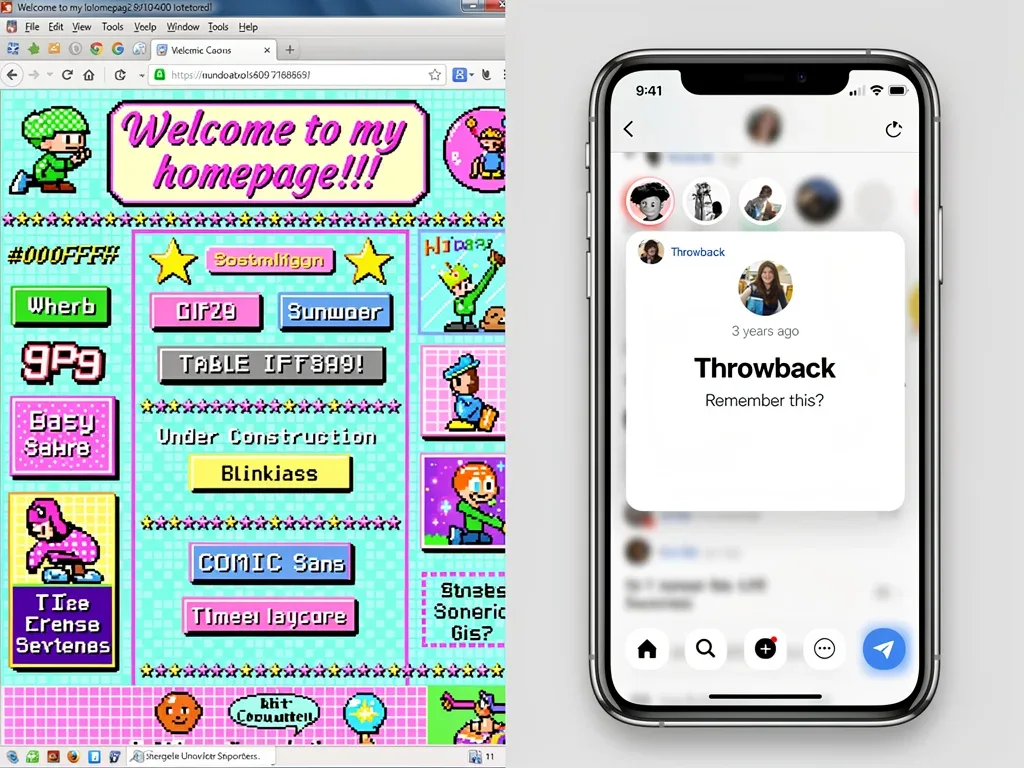
From Trend to Throwback in a Flash
Consumers, on the other hand, are constantly engaging with this accelerated cycle. They are the ones who share the 'throwback' posts, create the remixes, and fuel the resurgence of past trends. This active participation fosters a sense of shared history and community, even if that history is incredibly recent. It's a continuous conversation with the digital past, mediated by algorithms and shared experiences.
The rapid cycle also means that content can have multiple lives. A viral video might be popular upon its initial release, then become a nostalgic throwback a few years later, and then potentially be rediscovered by a new generation even more years down the line. This multi-layered engagement creates a rich and complex cultural tapestry, constantly weaving new threads with old ones.
Beyond Memes: Fashion, Music, and Digital Aesthetics
The influence of the three-year nostalgia cycle extends far beyond just memes and viral videos. It permeates fashion, music, and broader digital aesthetics. Styles that were popular just a few years ago are now being re-evaluated, sometimes ironically, sometimes genuinely, and incorporated into current trends. This isn't the slow burn of fashion history; it's a quick flip, a rapid re-appropriation.
In music, artists might sample tracks from the early 2020s, or create sounds that intentionally evoke a recent, yet distinctly 'past' era. Digital aesthetics, from graphic design to video filters, also follow this pattern. What looked cutting-edge in 2021 might now be considered 'vintage' or 'retro' by 2024, leading to its playful re-adoption or stylistic homage. This creates a dynamic, ever-changing visual and auditory landscape.
The Aesthetic Echo Chamber
The speed at which these aesthetics cycle creates an echo chamber where recent past styles are constantly being reflected and refracted through current lenses. This can lead to a blurring of chronological lines, where it becomes harder to pinpoint the exact 'era' of a particular style, as elements from different recent pasts are mixed and matched.
- Fashion Remixes: Styles from 2-3 years ago are quickly re-interpreted for current trends.
- Musical Homages: Artists draw inspiration from recent sonic landscapes.
- Digital Design Trends: UI/UX elements and visual styles quickly become 'retro' and are then re-imagined.
This rapid aesthetic turnover keeps internet culture vibrant and engaging, but also contributes to the feeling that time itself is accelerating online. The constant push and pull between the new and the recently old creates a unique tension that defines much of our digital experience.
Navigating the Rapid Throwback Landscape
For individuals and brands alike, understanding and navigating this rapid throwback landscape is crucial. For individuals, it means embracing the transient nature of online culture and finding joy in the quick re-emergence of beloved, albeit recent, trends. It’s about being part of a continuous conversation with the internet’s ever-evolving past.
For brands, it presents both challenges and opportunities. The challenge lies in staying relevant when trends cycle so quickly. The opportunity, however, is immense: by strategically tapping into the three-year nostalgia cycle, brands can create highly engaging content that resonates deeply with audiences who are eager to revisit and celebrate their recent digital memories. This requires agility and a keen awareness of cultural shifts.

Strategies for Engagement
Effective engagement in this environment means more than just reposting old content. It involves understanding the nuances of why certain trends resonate and how they can be re-contextualized for a contemporary audience. It's about adding a fresh perspective to a familiar memory, creating a bridge between the recent past and the present moment.
Ultimately, the internet's obsession with rapid throwbacks isn't just a fleeting trend itself; it's a fundamental shift in how we relate to time, memory, and culture in the digital age. It's a reminder that in the fast-paced world of the internet, the past is never truly gone, it's just waiting for its three-year comeback tour.
| Key Aspect | Brief Description |
|---|---|
| Accelerated Cycle | Nostalgia now triggers for content just 2-3 years old, down from decades. |
| Social Media's Role | Platforms and algorithms actively promote revisiting recent digital history. |
| Content Impact | Affects creation, consumption, and the multi-life span of digital trends. |
| Cultural Shifts | Influences fashion, music, and aesthetics, blurring chronological lines. |
Frequently Asked Questions About the Nostalgia Cycle
What is the 'nostalgia cycle' in internet culture?▼The nostalgia cycle in internet culture refers to the phenomenon where past trends, memes, and cultural moments resurface and become popular again. Traditionally spanning decades, this cycle has drastically shortened online, leading to rapid throwbacks for events just a few years old.
Why has the nostalgia cycle dropped to three years?▼Several factors contribute to this acceleration, including the internet's instant archiving of content, social media algorithms that resurface old posts, and the rapid pace of technological and cultural shifts online. The sheer volume of new content makes recent past trends feel distant quicker.
How do social media platforms influence this rapid nostalgia?▼Social media platforms actively accelerate the cycle through features like 'Memories' and 'On This Day,' which prompt users to revisit past content. Algorithms also play a role by curating feeds with older, relevant content, fostering continuous engagement with the recent past.
What are the implications for content creators and brands?▼For creators and brands, the shortened cycle means a constant need to adapt. It offers opportunities to re-contextualize recent trends for new content, but also requires agility to stay relevant. Tapping into shared recent memories can drive significant engagement.
Does this rapid nostalgia affect other cultural areas like fashion or music?▼Yes, the influence extends to fashion, music, and digital aesthetics. Styles and sounds from just a few years ago are quickly re-evaluated and incorporated into current trends, leading to a dynamic and often blurred chronological landscape in creative industries.
Conclusion
The dramatic shortening of the nostalgia cycle to a mere three years is more than just an interesting observation; it's a defining characteristic of modern internet culture. This rapid turnover, fueled by pervasive digital archiving and algorithmic curation, has fundamentally reshaped our relationship with time, memory, and cultural trends. From viral memes to fashion statements, the recent past is now a constantly accessible and re-engaging resource, demonstrating the internet's unique ability to both create and immediately historicize its own cultural moments. Embracing this accelerated pace is key to understanding the dynamic, ever-evolving landscape of digital life.