Wilderness Contrast Therapy: Health Impact of Cold Plunge & Sauna
Advertisements
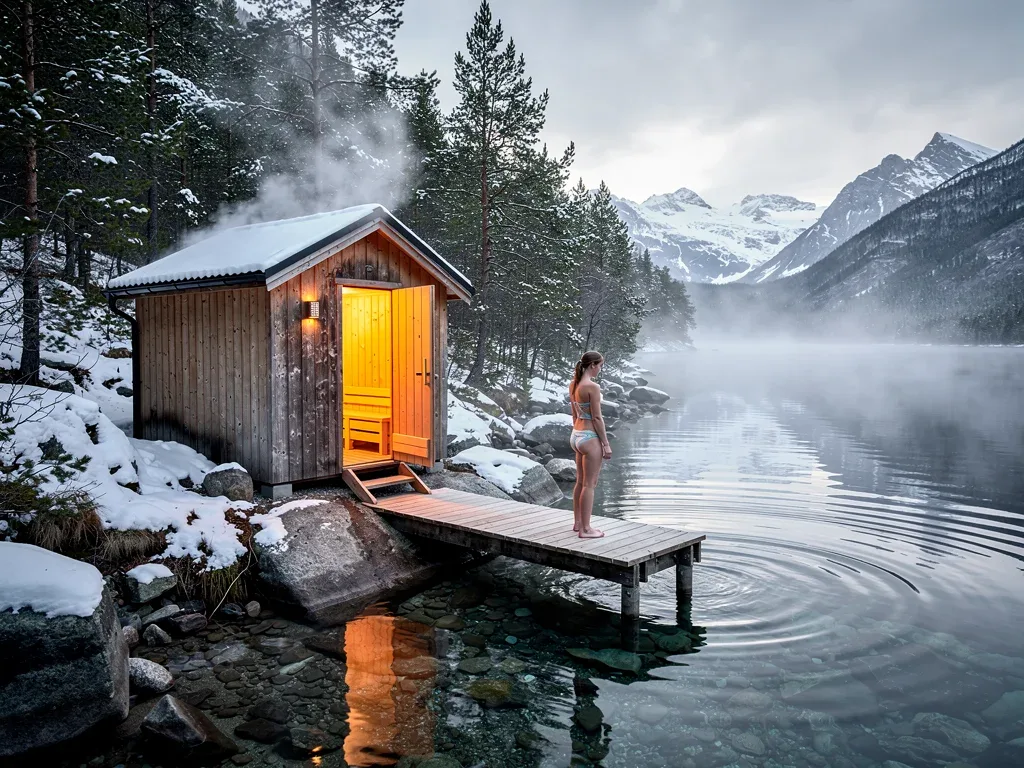
Wilderness contrast therapy, involving a 4-phase cold plunge and natural thermal sauna circuit, optimizes health by harnessing extreme temperature fluctuations to stimulate physiological and psychological well-being.
In an increasingly demanding world, the quest for optimal health often leads us back to nature's profound wisdom. Among the most intriguing and effective practices emerging is wilderness contrast therapy: evaluating the health impact of the 4-phase cold plunge and natural thermal sauna circuit. This ancient yet newly popularized method leverages extreme temperature shifts to unlock a cascade of physiological and psychological benefits, promising a holistic rejuvenation unlike any other.
The foundational principles of wilderness contrast therapy
Wilderness contrast therapy is more than just a trend; it's a deliberate practice rooted in centuries of tradition, adapted for modern wellness. At its core, it involves alternating between extreme cold and heat exposures, typically in natural settings. This cyclical exposure to harsh and soothing environments is designed to push the body's adaptive mechanisms, fostering resilience and enhancing various bodily functions. The natural element, whether it's a pristine lake, a flowing river, or a secluded forest, amplifies these effects, adding a layer of grounding and mental clarity that urban settings simply cannot replicate.
The concept hinges on the body's innate ability to respond to environmental stressors. When exposed to cold, blood vessels constrict, and when exposed to heat, they dilate. This rapid constriction and dilation, often referred to as 'vascular gymnastics,' plays a crucial role in improving circulation, reducing inflammation, and boosting metabolic processes. Beyond the physical, the mental challenge of enduring extreme temperatures builds mental fortitude, stress resilience, and a profound sense of accomplishment.
Historical roots and modern applications
The practice of contrast therapy can be traced back to ancient Roman baths, Nordic saunas, and indigenous sweat lodges, all of which incorporated alternating hot and cold treatments for health and ritualistic purposes. While the specific methods varied, the underlying principle of harnessing temperature for therapeutic benefit remained constant. Today, wilderness contrast therapy takes these ancient practices and integrates them with a deep appreciation for nature's healing power, moving beyond mere physical benefits to encompass mental and spiritual well-being.
- Ancient Roman baths: Utilized frigidariums and caldariums.
- Nordic saunas: Integrated cold dips in lakes or snow.
- Indigenous sweat lodges: Combined heat with spiritual purification.
- Modern adaptation: Focuses on natural settings for enhanced benefits.
The modern application emphasizes accessibility and safety, ensuring participants can engage in these powerful experiences under controlled conditions. This includes careful consideration of the natural environment, proper guidance for transitions between phases, and an understanding of individual health conditions. The goal is to maximize therapeutic benefits while minimizing risks, making this ancient practice relevant and beneficial for contemporary individuals seeking holistic health solutions.
Ultimately, the foundational principles of wilderness contrast therapy revolve around challenging the body and mind in a controlled, natural environment to stimulate profound healing and resilience. It's a testament to how stepping outside our comfort zones, quite literally, can lead to remarkable improvements in overall health and vitality.
The 4-phase circuit: understanding the physiological journey
The 4-phase circuit in wilderness contrast therapy is a meticulously designed sequence that guides the body through a powerful physiological journey. Each phase serves a distinct purpose, building upon the last to create a cumulative effect that optimizes health and well-being. This structured approach ensures that the body receives the maximum benefit from both the cold plunge and the natural thermal sauna, allowing for deep cellular repair, detoxification, and mental clarity.
The journey typically begins with an initial heat exposure, preparing the body for the subsequent cold shock. This initial phase helps to relax muscles, open pores, and initiate a mild detoxification process. The transition to cold then becomes a powerful stimulus, followed by another heat phase to facilitate recovery and further detoxification, culminating in a final cool-down that helps the body stabilize and integrate the experience. This cyclical pattern is what makes the 4-phase circuit particularly effective.
Phase 1: initial thermal sauna exposure
The first phase involves spending time in a natural thermal sauna. This could be a traditional wood-fired sauna nestled in the woods or a naturally heated spring-fed steam room. The goal here is to elevate core body temperature, induce sweating, and promote relaxation. The heat helps to dilate blood vessels, increase circulation, and prepare the body for the subsequent cold exposure. It also begins the process of releasing toxins through perspiration, setting the stage for deeper cleansing.
- Duration: Typically 10-20 minutes, depending on individual tolerance.
- Benefits: Muscle relaxation, increased blood flow, mild detoxification, mental preparation.
- Environment: Natural wood-fired saunas or steam rooms are preferred for their authentic experience and natural ambiance.
This initial warming phase is crucial for making the subsequent cold plunge more tolerable and effective. It's about gently coaxing the body into a state of readiness, both physically and mentally. The serene environment of a wilderness sauna further enhances this, allowing for a deeper sense of calm before the invigorating challenge ahead.
Phase 2: the invigorating cold plunge
Following the sauna, participants immerse themselves in a cold plunge. This is often a natural body of water like a lake, river, or specially designed cold pool. The sudden exposure to cold water (typically below 50°F or 10°C) triggers a powerful physiological response known as cold shock. This phase is perhaps the most challenging but also the most rewarding, as it activates numerous health-boosting mechanisms within the body.
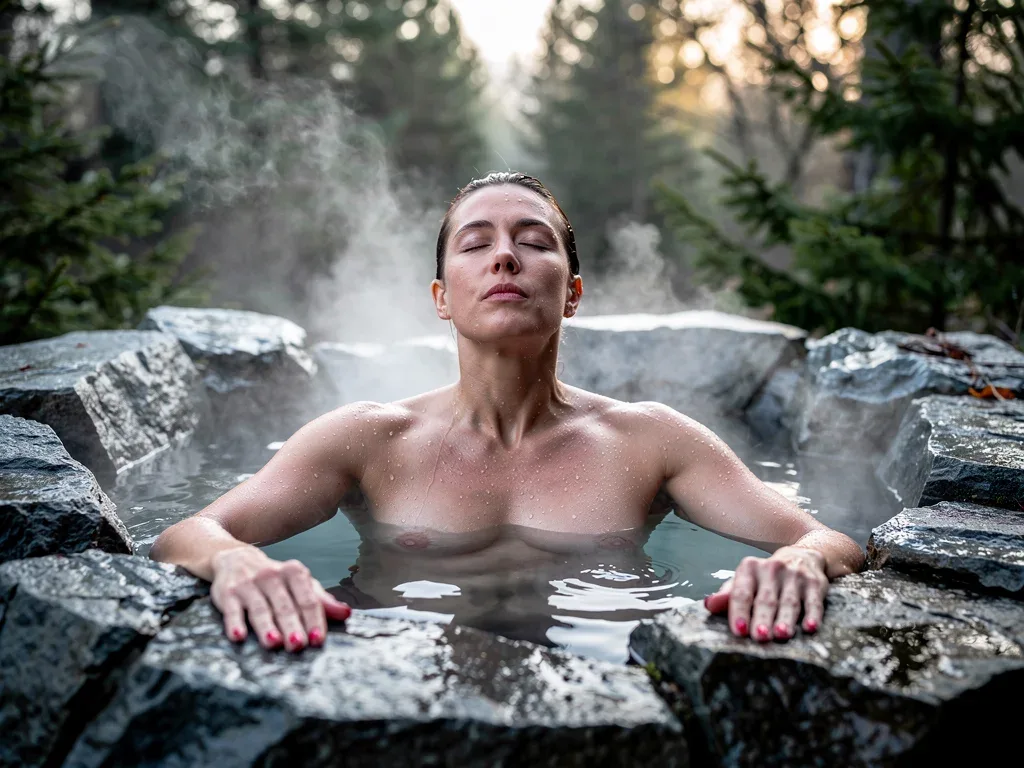
The cold plunge causes rapid vasoconstriction, diverting blood from the extremities to the core to protect vital organs. Upon exiting the cold, the body works to rewarm itself, leading to a rush of oxygenated blood back to the tissues. This process helps to reduce inflammation, alleviate muscle soreness, and boost circulation. Mentally, it demands focus and resilience, teaching the individual to control their breath and calm their mind amidst discomfort.
Phase 3: second thermal sauna session
After the cold plunge, participants return to the natural thermal sauna for a second session. This phase is primarily for rewarming the body and allowing it to recover from the cold shock. The heat helps to further dilate blood vessels, promoting deeper detoxification and relaxation. It also provides a sense of comfort and relief, reinforcing the contrast effect and allowing the body to fully absorb the benefits of the previous cold exposure.
- Purpose: Rewarming, deeper detoxification, enhanced circulation, relaxation.
- Experience: Often feels more profound and relaxing after the intensity of the cold plunge.
- Physiological response: Continued sweating, muscle relaxation, mental calm.
This second heat exposure is vital for completing the physiological cycle. It helps to balance the body's systems, reduce any lingering tension from the cold, and prepare the individual for the final phase. The natural setting continues to play a significant role, enhancing the overall therapeutic experience.
Phase 4: gradual cool-down and integration
The final phase involves a gradual cool-down, often through a cool shower, a gentle walk in nature, or simply resting in a comfortable, temperate environment. This allows the body temperature to normalize slowly, preventing any abrupt changes and promoting a sense of lasting calm and well-being. It's a time for reflection and integration, allowing the mind and body to fully process the intense experience.
The cool-down phase is essential for stabilizing the body's systems and cementing the benefits derived from the contrast therapy. It ensures that the transition back to normal activity is smooth and that the body can fully integrate the restorative effects. This final stage emphasizes mindfulness and a gentle return to equilibrium, leaving participants feeling refreshed, invigorated, and deeply connected to their inner resilience.
Understanding each step of the 4-phase circuit reveals the sophisticated design behind wilderness contrast therapy. It's a journey that systematically challenges and nurtures the body, leading to a holistic improvement in health and resilience. Each phase, from the initial warmth to the final cool-down, plays a critical role in unlocking the full potential of this powerful wellness practice.
Evaluating the health impact: physical benefits
The physical benefits of wilderness contrast therapy are extensive and well-documented, spanning various physiological systems. The interplay of extreme hot and cold temperatures acts as a potent stimulus, driving adaptive responses that enhance overall bodily function. This section delves into the specific ways this therapy positively impacts physical health, from cardiovascular improvements to pain management.
Regular engagement in the 4-phase circuit can lead to significant improvements in circulation, metabolic health, and immune function. The body's constant adjustment to temperature changes strengthens its ability to adapt to stressors, making it more resilient in daily life. These benefits are not merely anecdotal; a growing body of research supports the profound physical transformations that can occur through consistent contrast therapy.
Enhanced cardiovascular health
One of the most immediate and significant impacts of contrast therapy is on the cardiovascular system. The rapid vasoconstriction and vasodilation act as a powerful workout for blood vessels, improving their elasticity and overall function. This 'vascular exercise' can lead to better blood pressure regulation and enhanced circulation throughout the body, delivering more oxygen and nutrients to tissues.
- Improved blood pressure regulation.
- Increased vascular elasticity.
- Better circulation and oxygen delivery.
- Reduced risk of cardiovascular disease over time.
The heart also benefits from this training, becoming more efficient at pumping blood. Studies suggest that regular cold exposure can improve heart rate variability, an indicator of cardiovascular health and autonomic nervous system balance. The combination of heat and cold provides a comprehensive workout for the circulatory system, promoting long-term heart health.
Reduced inflammation and pain management
Contrast therapy is highly effective in reducing systemic inflammation, a root cause of many chronic diseases and pain conditions. Cold exposure significantly decreases inflammatory markers, while heat helps to flush out inflammatory byproducts and relax tense muscles. This dual action makes it a powerful tool for managing chronic pain, arthritis, and muscle soreness.
Athletes often use contrast therapy to accelerate recovery after intense workouts, noting significant reductions in delayed onset muscle soreness (DOMS). The reduction in inflammation also contributes to faster healing of injuries and a general sense of physical well-being. By actively modulating inflammatory responses, wilderness contrast therapy offers a natural and potent approach to pain relief and recovery.
Boosted immune system function
Exposure to cold has been shown to stimulate the production of white blood cells, particularly lymphocytes and monocytes, which are crucial components of the immune system. The acute stress of cold exposure triggers a hormetic response, meaning a beneficial stress that strengthens the body's defenses. When combined with the detoxifying effects of the sauna, the immune system receives a comprehensive boost.
Regular practice can lead to a more robust immune response, helping the body fight off infections and illnesses more effectively. This enhanced immunity is not just about increasing cell count but also about improving the efficiency and responsiveness of immune cells. Wilderness contrast therapy provides a natural way to fortify the body's internal defense mechanisms, promoting long-term health and resilience against pathogens.
In summary, the physical benefits of wilderness contrast therapy are profound and far-reaching. From improving cardiovascular health and reducing inflammation to boosting immune function, the 4-phase circuit offers a comprehensive approach to physical well-being. It leverages the body's natural adaptive capacities to create a more resilient, healthier, and pain-free state.
Evaluating the health impact: mental and emotional benefits
Beyond the undeniable physical advantages, wilderness contrast therapy profoundly impacts mental and emotional well-being. The deliberate exposure to extreme temperatures, particularly in a natural setting, challenges the mind as much as the body, fostering resilience, clarity, and emotional regulation. This holistic approach addresses stress, anxiety, and mental fatigue, offering a powerful pathway to improved psychological health.
The act of consciously stepping into discomfort and then finding solace in warmth creates a powerful psychological loop that rewires the brain's response to stress. This practice encourages mindfulness, breath control, and a deep connection to the present moment, all of which are critical for mental and emotional balance. The natural environment further amplifies these effects, providing a serene backdrop for inner contemplation and healing.
Stress reduction and enhanced mood
One of the most celebrated mental benefits is its remarkable ability to reduce stress. The cold plunge, while initially shocking, triggers the release of endorphins and norepinephrine, natural mood elevators and pain relievers. This chemical cascade creates a sense of euphoria and well-being post-plunge. The subsequent warmth of the sauna deepens this relaxation, helping to calm the nervous system and alleviate anxiety.
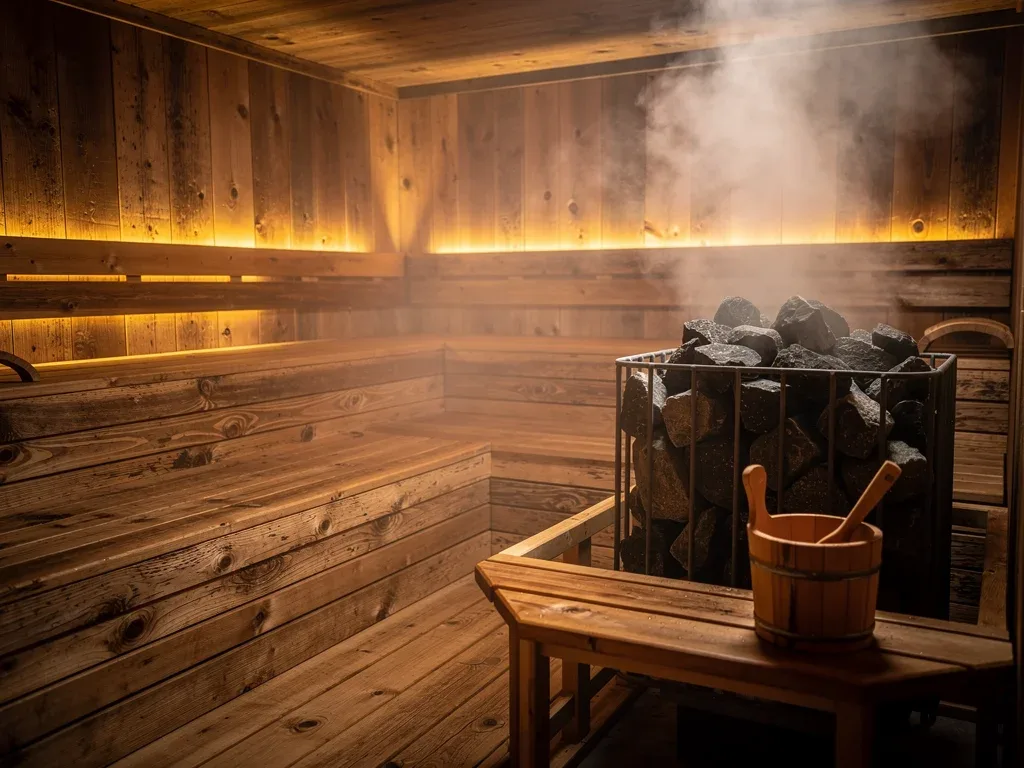
Regular practice teaches the body and mind to cope with acute stress in a controlled environment, translating into improved stress management in daily life. Participants often report feeling more centered, less reactive to stressors, and generally happier. The combination of physical challenge and natural tranquility provides a unique sanctuary for mental rejuvenation, fostering a profound sense of peace.
Improved focus and cognitive function
The mental discipline required during the cold plunge, particularly focusing on breath, sharpens cognitive abilities. The release of norepinephrine, a neurotransmitter associated with attention and focus, contributes to enhanced mental clarity and alertness. Many practitioners report improved concentration and problem-solving skills after engaging in contrast therapy.
- Increased alertness and mental clarity.
- Enhanced focus and concentration.
- Improved problem-solving abilities.
- Better mood regulation throughout the day.
The natural surroundings further aid in this cognitive boost by reducing mental fatigue often associated with urban environments. The absence of digital distractions and the presence of natural stimuli allow the brain to reset and operate more efficiently. Wilderness contrast therapy provides a unique opportunity to detoxify the mind, leading to sustained improvements in cognitive function and overall mental sharpness.
Enhanced resilience and emotional regulation
Confronting the discomfort of cold exposure builds significant mental and emotional resilience. Each plunge is a small victory over the self, reinforcing the belief in one's ability to overcome challenges. This repeated exposure to controlled stress helps to strengthen the prefrontal cortex, the part of the brain responsible for executive functions like emotional regulation and decision-making.
The ability to calmly navigate the intense sensations of cold water translates into a greater capacity to manage emotional turbulence in everyday situations. Individuals learn to observe their discomfort without being overwhelmed by it, a skill invaluable for emotional intelligence. Wilderness contrast therapy, therefore, serves as a powerful training ground for developing a robust emotional toolkit, fostering a sense of inner strength and composure.
In essence, the mental and emotional benefits of wilderness contrast therapy are as transformative as its physical impacts. By challenging the mind and body in a natural setting, it cultivates resilience, reduces stress, enhances mood, and sharpens cognitive function. This holistic approach offers a profound path to psychological well-being, empowering individuals to navigate life's challenges with greater ease and clarity.
Practical considerations for engaging in wilderness contrast therapy
While the benefits of wilderness contrast therapy are compelling, engaging in this practice requires careful consideration and preparation. To maximize safety and effectiveness, it's essential to approach it with an understanding of best practices, potential risks, and how to properly prepare both body and mind. The goal is to create a positive and transformative experience, not an overwhelming one.
This includes choosing appropriate locations, understanding the importance of hydration and nutrition, and listening to your body's signals. Especially when venturing into natural environments, awareness of local conditions and safety protocols is paramount. Proper planning ensures that the experience is restorative and enjoyable, rather than stressful or dangerous.
Choosing the right natural environment
The effectiveness of wilderness contrast therapy is greatly enhanced by the environment. Look for locations with clean, accessible cold water sources like mountain lakes, rivers, or streams, alongside areas suitable for a natural thermal sauna. Safety and accessibility should be prioritized. Remote locations might offer profound solitude but also present greater logistical challenges and potential risks if not properly managed.
- Water quality: Ensure cold plunge water is clean and safe.
- Sauna availability: Natural hot springs or wood-fired saunas are ideal.
- Accessibility: Consider ease of access and emergency routes.
- Local regulations: Be aware of any rules or permits required for natural areas.
Consider the season and weather conditions, as these will significantly impact the temperature and safety of both the cold plunge and the sauna experience. A beautiful, serene location free from distractions will amplify the therapeutic effects, fostering a deeper connection with nature and oneself.
Preparation and safety protocols
Before embarking on wilderness contrast therapy, consult with a healthcare professional, especially if you have underlying health conditions such as heart disease, high blood pressure, or are pregnant. Proper hydration is critical before, during, and after the session to support detoxification and prevent dehydration.
Gradual acclimatization to cold water is advisable for beginners. Start with shorter durations and less intense temperatures, slowly increasing exposure as your body adapts. Always have a buddy or guide, especially in remote areas, and ensure you have warm clothes and towels readily available for rewarming. Listen to your body and never push beyond your limits; discomfort is expected, but pain or extreme distress are warning signs to heed.
Nutrition and post-therapy recovery
Fueling your body with nutrient-dense foods before and after therapy supports cellular repair and energy restoration. Focus on whole foods, lean proteins, and complex carbohydrates. Post-therapy, gentle stretching, light movement, and sufficient rest are crucial for recovery. Allowing the body time to integrate the experience fully maximizes the long-term benefits.
Consider incorporating electrolytes into your post-therapy hydration to replenish minerals lost through sweating. A warm, comforting meal and a period of quiet reflection can also enhance the recovery process, allowing the mind to consolidate the mental gains achieved during the session. Proper recovery ensures that each session builds upon the last, leading to sustained improvements in health and well-being.
Engaging in wilderness contrast therapy is a powerful journey, but it requires respect for its intensity and the natural environment. By carefully considering practical aspects like location, preparation, safety, and recovery, participants can ensure a deeply rewarding and safe experience, unlocking the full spectrum of its health benefits.
Integrating wilderness contrast therapy into a wellness routine
Successfully integrating wilderness contrast therapy into a regular wellness routine requires more than just occasional participation; it demands consistency, mindful adaptation, and a holistic approach to self-care. For many, this practice becomes a cornerstone of their health regimen, offering sustained benefits that ripple through all aspects of life. The key lies in finding a rhythm that works for your body and lifestyle, ensuring the therapy remains a source of rejuvenation rather than an added stressor.
This section explores how to effectively weave the 4-phase cold plunge and natural thermal sauna circuit into your life, considering frequency, complementary practices, and the long-term commitment required for enduring results. It's about making this powerful wellness tool a sustainable part of your journey toward optimal health.
Establishing a consistent practice schedule
Consistency is paramount for reaping the full benefits of wilderness contrast therapy. While individual needs vary, many practitioners find success with 1-3 sessions per week. The frequency might depend on your current fitness level, recovery needs, and access to suitable natural environments. Starting slowly and gradually increasing frequency can help your body adapt and prevent burnout.
- Beginner frequency: 1 session per week to acclimatize.
- Intermediate frequency: 2-3 sessions per week for enhanced benefits.
- Advanced frequency: Can be daily for some, but listen to your body.
- Listen to your body: Adjust frequency based on recovery and energy levels.
Scheduling sessions at a time when you can fully commit without rushing is also important. This allows for proper preparation, an unhurried experience of each phase, and adequate recovery time afterward. Integrating it into your routine might mean dedicating specific days or mornings to the practice, turning it into a cherished ritual rather than a chore.
Complementary wellness practices
Wilderness contrast therapy synergizes beautifully with other wellness practices, amplifying its effects. Incorporating mindfulness or meditation before and during the therapy can enhance mental clarity and stress reduction. Practices like yoga or stretching can improve flexibility and prepare muscles for the physical demands of temperature changes.
A balanced diet, rich in anti-inflammatory foods, and adequate sleep further support the body's recovery and detoxification processes. Engaging in other forms of physical activity, especially those that connect you with nature like hiking or trail running, can deepen the overall sense of well-being and reinforce the benefits gained from contrast therapy. The goal is to create a comprehensive wellness ecosystem where each practice supports and enhances the others.
Long-term commitment and adaptation
The most profound impacts of wilderness contrast therapy emerge from long-term commitment. It's not a quick fix but a journey of continuous adaptation and growth. As your body becomes more resilient, you might find yourself tolerating colder temperatures for longer or enjoying the sauna at higher heat levels. This evolution is a testament to the body's incredible adaptive capacity.
Regularly reassessing your goals and how the therapy supports them is crucial. Be open to adapting your routine as your body and life circumstances change. The beauty of wilderness contrast therapy lies in its flexibility and its ability to continually challenge and nurture you over time, fostering a lifelong commitment to health and self-discovery. It becomes a powerful tool for maintaining vitality and mental sharpness for years to come.
Integrating wilderness contrast therapy into your wellness routine is a commitment to a lifestyle of resilience, vitality, and deep connection with nature. By establishing a consistent schedule, combining it with complementary practices, and maintaining a long-term perspective, you can unlock its full potential and experience lasting transformations in your physical and mental health.
Future directions and research in contrast therapy
The field of contrast therapy is continually evolving, with new research shedding light on its mechanisms and potential applications. As awareness grows, so does the scientific community's interest in understanding the full spectrum of benefits and how to optimize these practices for various populations. The future of wilderness contrast therapy promises even deeper insights into its profound impact on human health and performance.
Emerging studies are exploring its role in specific medical conditions, cognitive enhancement, and even anti-aging. This ongoing research is crucial for validating traditional practices with modern scientific rigor, paving the way for more widespread acceptance and integration into mainstream wellness and medical protocols. The blend of ancient wisdom and contemporary science is creating a robust foundation for the future of this therapy.
Emerging scientific evidence
Recent studies are increasingly focusing on the cellular and molecular mechanisms behind contrast therapy's benefits. Research into heat shock proteins (HSPs), for instance, suggests that sauna exposure can induce their production, which plays a vital role in cellular repair and longevity. Similarly, cold exposure's impact on brown adipose tissue (BAT) activation is a hot topic, given BAT's role in metabolism and energy expenditure.
- HSP research: Investigating cellular repair and anti-aging effects.
- BAT activation: Exploring metabolic benefits and weight management.
- Neurotransmitter studies: Quantifying mood and cognitive enhancements.
- Inflammation markers: Detailed analysis of anti-inflammatory pathways.
Further research is also examining the dose-response relationship, attempting to determine optimal durations and temperatures for both hot and cold exposures to maximize specific health outcomes. This evidence-based approach is crucial for refining protocols and making contrast therapy an even more precise and effective intervention.
Potential therapeutic applications
Beyond general wellness, contrast therapy is being explored for its therapeutic potential in managing specific health conditions. Its anti-inflammatory properties make it a candidate for autoimmune diseases and chronic pain syndromes. The mood-enhancing effects are being studied for depression and anxiety disorders, offering a natural adjunct to traditional treatments.
There's also growing interest in its application for neurological conditions, given its impact on brain circulation and neurotrophic factors. As research progresses, we may see contrast therapy prescribed as a complementary treatment for a wider range of medical issues, moving it from a niche wellness practice to a recognized therapeutic modality. The focus on natural, non-pharmacological interventions is a significant driver in this exploration.
Innovation in wilderness and natural settings
Innovations are not limited to scientific understanding; they also extend to how wilderness contrast therapy is delivered. This includes the development of more sustainable and integrated natural wellness retreats that offer state-of-the-art facilities while preserving the ecological integrity of the environment. Expect to see more accessible and eco-friendly options for experiencing the 4-phase circuit in authentic natural settings.
Technological advancements might also play a role, perhaps in monitoring physiological responses during sessions to provide personalized recommendations. The emphasis will remain on harnessing the power of nature, but with an enhanced understanding of safety, efficacy, and environmental stewardship. The future promises a blend of ancient wisdom, cutting-edge science, and responsible innovation, making wilderness contrast therapy an increasingly powerful tool for holistic health.
The future of contrast therapy is bright, driven by both scientific inquiry and a renewed appreciation for natural healing. As research uncovers more about its intricate mechanisms and potential applications, wilderness contrast therapy is poised to become an even more integral part of global health and wellness strategies, offering a powerful, natural path to enhanced vitality and resilience.
| Key Aspect | Brief Description |
|---|---|
| 4-Phase Circuit | Alternating natural sauna and cold plunge to optimize physiological responses. |
| Physical Benefits | Improved circulation, reduced inflammation, enhanced immune function, pain relief. |
| Mental & Emotional Benefits | Stress reduction, mood enhancement, increased focus, greater resilience. |
| Integration & Safety | Requires proper preparation, gradual acclimatization, and health professional consultation. |
Frequently asked questions about wilderness contrast therapy
What exactly is wilderness contrast therapy?▼Wilderness contrast therapy is a wellness practice involving alternating exposure to extreme hot (natural sauna) and cold (cold plunge in natural water) temperatures, typically in a natural environment, to stimulate physical and mental health benefits.
How does the 4-phase circuit work?▼The 4-phase circuit involves an initial sauna session, followed by a cold plunge, a second sauna session for rewarming, and finally a gradual cool-down. This sequence maximizes the body's adaptive responses and therapeutic effects.
What are the main physical health benefits?▼Key physical benefits include enhanced cardiovascular health, improved circulation, significant reduction in inflammation and muscle soreness, and a robust boost to the immune system, aiding in overall recovery and vitality.
Can this therapy improve mental well-being?▼Absolutely. It significantly reduces stress, elevates mood through endorphin release, improves focus and cognitive function, and builds mental resilience, helping individuals better manage daily life stressors.
Are there any safety precautions to consider?▼Yes, consulting a healthcare professional before starting is crucial, especially for those with pre-existing conditions. Always stay hydrated, acclimatize gradually, and ideally, practice with a buddy, especially in remote natural settings.
Conclusion
Wilderness contrast therapy: evaluating the health impact of the 4-phase cold plunge and natural thermal sauna circuit stands as a powerful testament to the healing potential found at the intersection of nature and ancient wisdom. By systematically challenging and nurturing the body through extreme temperature shifts, this practice offers a comprehensive pathway to enhanced physical and mental well-being. From bolstering cardiovascular health and immunity to cultivating profound mental resilience and emotional clarity, the benefits are expansive and deeply transformative. As scientific understanding continues to grow and awareness spreads, wilderness contrast therapy is poised to become an increasingly recognized and valuable tool in the pursuit of holistic health, inviting individuals to reconnect with their innate adaptive capacities and unlock a vibrant state of being.
