Experience Weightlessness: Commercial Microgravity Flights 2026
Advertisements
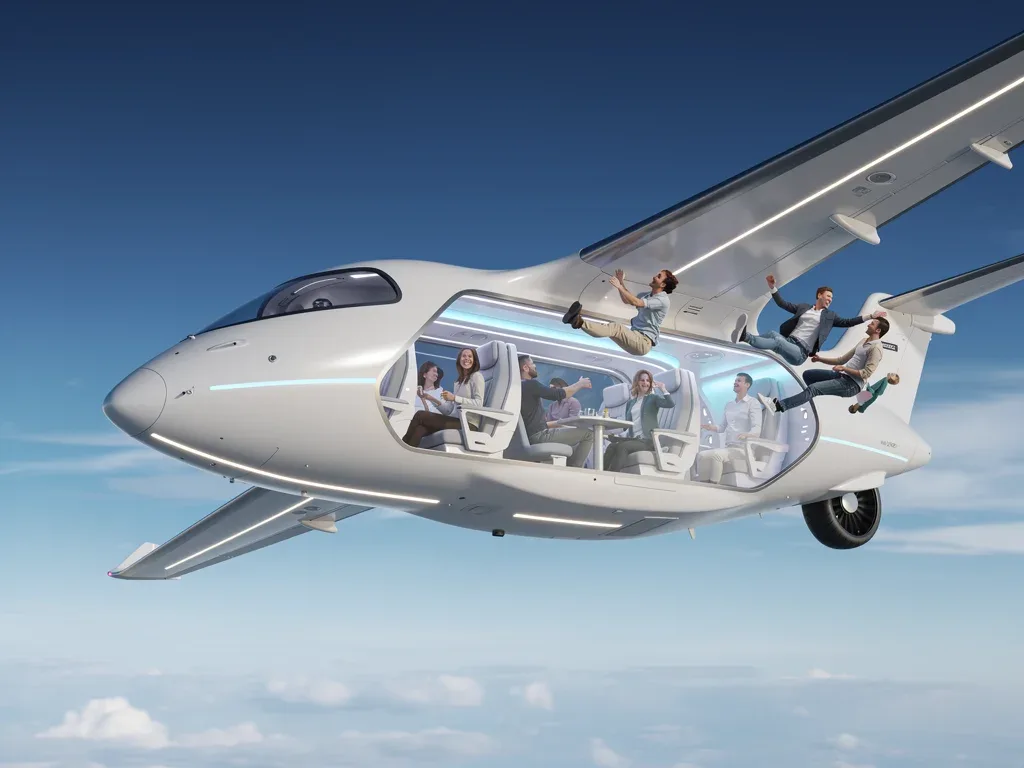
Commercial microgravity flights in 2026 offer an unparalleled opportunity to experience true weightlessness without venturing into orbital space, promising a unique and accessible adventure for aspiring space enthusiasts.
For decades, the dream of floating freely, unburdened by gravity, remained exclusive to astronauts. However, as 2026 approaches, the landscape of aerospace innovation is poised to transform this aspiration into a tangible reality for a broader audience. Commercial microgravity flights are emerging as a groundbreaking frontier in experiential travel, offering ordinary individuals the chance to experience weightlessness without the monumental costs or rigorous training associated with traditional space travel. This exciting development promises to democratize the sensation of zero gravity, bringing it closer to Earth than ever before.
The mechanics of microgravity: how it works
Understanding how commercial microgravity flights achieve weightlessness is key to appreciating this remarkable engineering feat. It's not about escaping Earth's gravitational pull entirely, but rather manipulating physics to create a temporary state where gravity's effects are neutralized. This ingenious method relies on a principle known as parabolic flight, a maneuver perfected over decades by space agencies for astronaut training and scientific research.
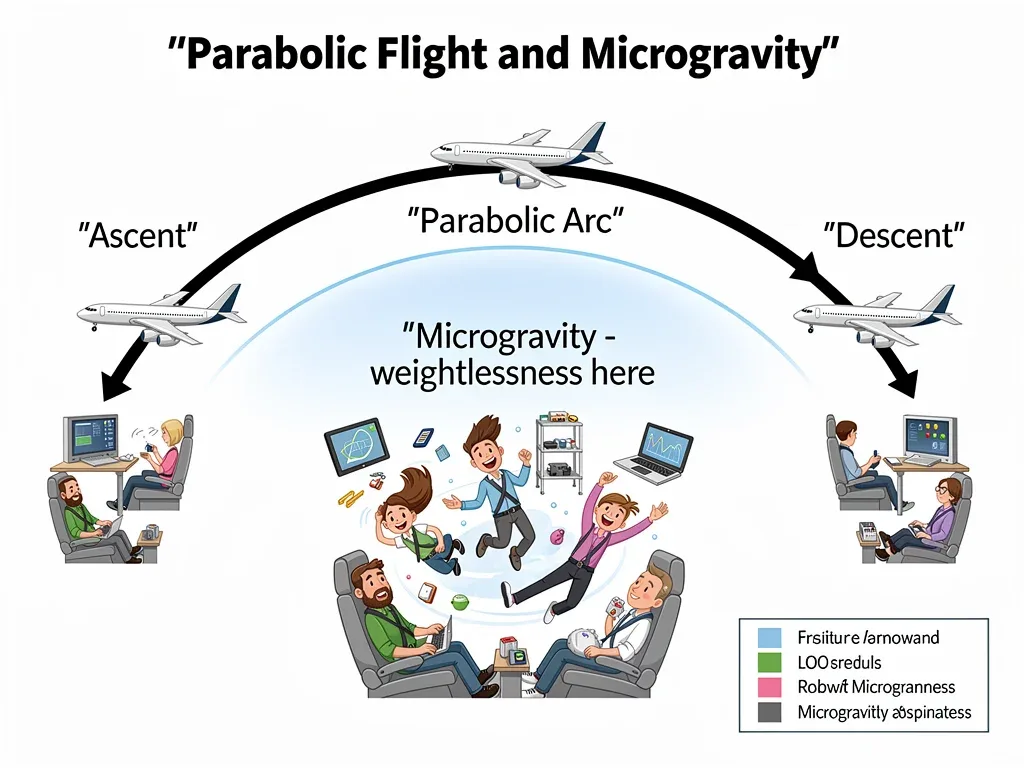
A specialized aircraft, often a modified Boeing 727 or Airbus A300, performs a series of ascents and descents that mimic a roller coaster in the sky. During the upward arc, the aircraft climbs steeply, and then, at the peak of the parabola, the engines are throttled back, allowing the plane to fall freely for a period. It is during this controlled descent, often lasting between 20 to 30 seconds per parabola, that passengers inside experience true weightlessness. The aircraft and everything within it are essentially in a continuous freefall, creating the sensation of zero gravity.
Parabolic flight phases explained
The journey through a microgravity flight is carefully orchestrated, involving distinct phases that transition passengers from normal gravity to hypergravity and then to weightlessness. Each phase plays a crucial role in the overall experience and the safety of the flight.
- Pull-up phase: The aircraft climbs steeply, subjecting passengers to approximately 1.8 to 2 Gs, a feeling similar to a fighter jet taking off.
- Injection phase: At the apex of the parabola, the engines are reduced, and the aircraft begins its freefall, initiating the weightless period.
- Weightless phase: For about 20-30 seconds, passengers and objects inside the plane float freely, experiencing true microgravity.
- Pull-out phase: The aircraft gradually pulls out of the dive, returning to normal flight, and passengers again experience increased G-forces as gravity returns.
These parabolic maneuvers are repeated multiple times during a single flight, typically between 10 to 15 times, allowing passengers to accumulate several minutes of weightless time. The entire process is meticulously planned and executed by highly trained pilots, ensuring both the efficacy of the microgravity experience and the paramount safety of everyone on board.
The evolution of commercial microgravity travel
The concept of commercial microgravity travel has been slowly but steadily evolving, moving from a niche scientific tool to a burgeoning tourism opportunity. For years, only scientists, engineers, and astronauts had access to these unique flights, using them to test equipment, conduct experiments, and train for space missions. Companies like Zero-G Corporation have been offering parabolic flights for decades, primarily for research and astronaut preparation, but also for a limited number of adventurous civilians. However, the impending launch of new commercial ventures in 2026 signifies a significant shift, promising to make these experiences more accessible and refined.
This expansion is driven by advancements in aerospace technology, increased public interest in space-related experiences, and a growing market for luxury and adventure tourism. New aircraft designs, enhanced safety protocols, and more efficient operational models are paving the way for a more streamlined and affordable microgravity experience. Companies are investing heavily in designing dedicated facilities and training programs to cater specifically to commercial passengers, moving beyond the utilitarian nature of past scientific flights.

The transition from purely scientific endeavors to commercial tourism also brings with it a focus on the passenger experience. This includes more comfortable cabin environments, professional photography and videography services, and comprehensive pre-flight briefings designed to maximize enjoyment and minimize discomfort. The goal is to transform what was once a rigorous training exercise into an unforgettable adventure, complete with all the modern amenities expected by discerning travelers.
Key players and their upcoming offerings
Several innovative companies are at the forefront of this commercial microgravity revolution, each bringing their unique vision and technological prowess to the table. These pioneers are not just selling a ride; they are selling an experience, meticulously crafted from pre-flight preparation to post-flight celebration.
- Virgin Galactic: While primarily known for suborbital spaceflights, Virgin Galactic's broader vision encompasses various space-related experiences, potentially including more accessible microgravity flights.
- Blue Origin: Similar to Virgin Galactic, Blue Origin's ambitions in space tourism could extend to offering dedicated microgravity experiences as part of their diverse portfolio.
- Emerging Startups: A number of smaller, agile startups are also entering the market, focusing specifically on parabolic flight tourism, often with innovative approaches to pricing and accessibility.
These companies are not just competing on price or flight duration; they are also vying to offer the most comprehensive and immersive experience, from luxurious waiting lounges to personalized post-flight debriefs. The year 2026 is anticipated to be a pivotal moment, as several of these new offerings are expected to become fully operational, opening up a new chapter in adventure tourism.
Preparing for your microgravity adventure: training and expectations
Embarking on a commercial microgravity flight is an extraordinary experience, but it’s one that requires a certain level of preparation to fully enjoy. While you won't need astronaut-level training, understanding what to expect and how to prepare can significantly enhance your adventure. The focus is on ensuring passenger safety and comfort, as well as maximizing their ability to enjoy the unique sensation of weightlessness.
Before stepping aboard the aircraft, passengers undergo a comprehensive pre-flight briefing. This typically includes an orientation to the aircraft's interior, safety procedures, and instructions on how to move and behave in a microgravity environment. You'll learn about the different phases of flight, what to expect during the G-force transitions, and how to make the most of your weightless moments. This briefing is crucial for both safety and enjoyment, as it helps alleviate any anxieties and prepares you for the physiological sensations.
Physical preparation is generally minimal, but a basic level of fitness is recommended. Passengers are usually advised to avoid heavy meals before the flight and to stay well-hydrated. Some providers may offer anti-nausea medication, as motion sickness can be a concern for some individuals during the parabolic maneuvers. The goal of all this preparation is to ensure that you are comfortable, confident, and ready to fully immerse yourself in the experience.
What to expect during the flight
The actual flight experience is a symphony of sensations, carefully choreographed to provide an optimal microgravity adventure. The cabin is typically padded and free of sharp edges, designed to allow passengers to float and tumble safely. Flight attendants, often referred to as 'weightless coaches,' are on hand to guide passengers and ensure their safety.
- G-force transitions: Be prepared for the feeling of increased gravity during the pull-up and pull-out phases, which can be intense but brief.
- The float: The weightless periods are often described as surreal and exhilarating. You can push off walls, do somersaults, and simply float in mid-air.
- Photography and videography: Most flights include professional photographers and videographers to capture these once-in-a-lifetime moments, allowing you to relive the experience.
Each parabolic maneuver offers a fresh opportunity to experience weightlessness, building your confidence and allowing you to experiment with different movements. The cumulative effect of these repeated weightless periods is designed to leave a lasting impression, a memory of defying gravity that few ever get to experience.
Cost and accessibility: is microgravity for everyone?
As commercial microgravity flights move closer to mainstream availability in 2026, a critical question arises: how accessible will these experiences truly be? Historically, such flights have been prohibitively expensive, placing them out of reach for most individuals. However, with increased competition and technological advancements, there's a growing expectation that prices will become more competitive, though still representing a significant investment.
Current estimates suggest that a single microgravity flight could range from several thousand to tens of thousands of dollars, depending on the provider, the duration of the flight, and the amenities included. While this is a substantial sum, it is considerably less than the millions required for orbital space tourism. This price point positions microgravity flights as a luxury adventure experience, akin to exotic safaris or high-end expeditions, rather than an everyday recreational activity.
Accessibility is not just about cost; it also involves factors such as health requirements and geographical availability. While most individuals in reasonably good health can participate, certain medical conditions might preclude participation. Furthermore, flight locations are currently limited to a few specialized airfields equipped to handle these unique operations. However, as the industry grows, it's plausible that more locations will become available, further enhancing accessibility.
Factors influencing the price of microgravity flights
Several elements contribute to the overall cost of a commercial microgravity flight, each reflecting the complexity and specialized nature of the operation. Understanding these factors can help prospective passengers appreciate the value proposition.
- Aircraft modification and maintenance: The specialized aircraft used for parabolic flights require extensive modifications and rigorous maintenance schedules, which are costly.
- Highly skilled crew: The pilots, engineers, and flight attendants who operate these flights are highly trained and experienced, commanding premium salaries.
- Operational expenses: Fuel, air traffic control fees, ground support, and insurance for these unique operations are all significant expenses.
- Pre-flight and post-flight services: Comprehensive briefings, safety equipment, professional media services, and post-flight amenities add to the overall package cost.
While the cost remains a barrier for many, the trend in emerging luxury experiences often sees initial high prices gradually decrease as technology matures and demand increases. The 2026 timeframe is exciting because it represents a point where these experiences are becoming more refined and potentially more attainable for a broader segment of the affluent adventure market.
The science and wonder of zero gravity: beyond tourism
While the allure of commercial microgravity flights for tourism is undeniable, it's crucial to remember their deep roots in scientific exploration and the ongoing benefits they provide to research. Parabolic flights have been instrumental in advancing our understanding of physics, biology, and materials science in a weightless environment. The data collected during these brief periods of microgravity helps scientists design better experiments for orbital missions and understand the fundamental principles governing our universe.
For decades, researchers have used these flights to test equipment destined for the International Space Station, study the effects of microgravity on human physiology, and develop new materials and technologies. The ability to conduct experiments in a simulated zero-gravity environment without the expense and logistical challenges of orbital spaceflight is invaluable. This scientific utility continues to be a driving force behind the development and refinement of parabolic flight technology, even as its commercial applications expand.
The wonder of zero gravity extends beyond mere spectacle; it offers a unique perspective on our physical world. For passengers, it's an opportunity to experience a fundamental shift in their perception of gravity and motion, fostering a deeper appreciation for the forces that shape our existence. This blend of scientific utility and profound personal experience underscores the multifaceted value of commercial microgravity flights.
Future implications for space exploration and education
The expansion of commercial microgravity flights has significant implications beyond immediate tourism. Increased accessibility to weightlessness experiences can play a vital role in inspiring the next generation of scientists, engineers, and astronauts. Providing more opportunities for individuals to personally encounter the conditions of space can ignite a passion for STEM fields and foster a greater understanding of space exploration.
- Educational outreach: Schools and universities could potentially utilize these flights for educational programs, offering students hands-on experience with microgravity.
- Astronaut pipeline: A wider availability of microgravity training could serve as a preliminary step for aspiring astronauts, familiarizing them with the sensations of spaceflight.
- Technological innovation: The demand for more efficient and affordable microgravity flights will likely spur further innovation in aerospace technology, benefiting both commercial and scientific endeavors.
By making the experience of weightlessness more attainable, commercial microgravity flights are not just offering a thrill ride; they are contributing to a broader cultural shift, demystifying space and making its wonders more tangible for people around the globe. This widespread exposure could be a catalyst for future breakthroughs and a more space-literate society.
Safety and regulations: ensuring a secure journey
When it comes to any form of aerial travel, especially one involving extreme maneuvers and unique physiological effects, safety is paramount. Commercial microgravity flights operate under stringent safety regulations and protocols, designed to ensure the well-being of all passengers and crew. These regulations are often adapted from established aviation safety standards and enhanced with specific guidelines for parabolic flight operations, reflecting the unique challenges involved.
Aviation authorities, such as the Federal Aviation Administration (FAA) in the United States, oversee the certification and operation of these specialized aircraft and their flight profiles. This includes rigorous inspections, pilot training and certification, and strict maintenance schedules. The aircraft themselves undergo modifications to enhance structural integrity and internal safety features, such as extensive padding and handholds throughout the cabin.
Furthermore, each flight is meticulously planned, with weather conditions, aircraft performance, and passenger health carefully monitored. Medical personnel are typically on standby, and comprehensive emergency procedures are in place. These layers of safety measures are designed to mitigate risks and provide passengers with the confidence that their extraordinary journey is also a secure one.
Pilot expertise and crew training
The human element is critical in ensuring the safety and success of commercial microgravity flights. The pilots who operate these aircraft are highly experienced, often with backgrounds in military aviation or test piloting, and possess specialized training in parabolic flight maneuvers. Their precision and expertise are essential for executing the complex flight profiles required to achieve consistent microgravity.
- Specialized flight training: Pilots undergo extensive training to master the precise control inputs needed for parabolic flight, maintaining the desired G-force and weightless periods.
- Crew coordination: The entire flight crew, including flight engineers and cabin attendants, works in seamless coordination, communicating constantly to monitor aircraft systems and passenger conditions.
- Emergency preparedness: All crew members are thoroughly trained in emergency procedures, including medical emergencies and aircraft system failures, ensuring a swift and effective response to any unforeseen event.
The rigorous training and unwavering professionalism of the flight crew are foundational to the safety record of commercial microgravity operations. Their dedication to safety, combined with advanced technology and strict regulatory oversight, ensures that passengers can focus on enjoying the breathtaking experience of weightlessness with peace of mind.
The future of weightless experiences beyond 2026
The emergence of commercial microgravity flights in 2026 is merely the beginning of a fascinating journey into accessible weightless experiences. As technology continues to advance and the market matures, we can anticipate even more innovative and diverse opportunities for individuals to experience zero gravity. The current parabolic flight model, while effective, is just one method, and future developments may introduce novel approaches to simulating or achieving weightlessness.
One potential area of growth could be the integration of virtual reality and augmented reality technologies to enhance the microgravity experience, perhaps even before or after the physical flight. Imagine a pre-flight VR simulation that perfectly replicates the sensations, or AR overlays during the flight that provide educational context to your weightless maneuvers. These technologies could enrich the experience, making it more immersive and informative.
Furthermore, as space tourism becomes more widespread, microgravity flights could serve as an essential stepping stone, preparing individuals for the physiological demands of suborbital and orbital space travel. They could become a standard part of pre-spaceflight training packages, offering a taste of what's to come and helping passengers adapt to the unique environment of space. The trajectory of weightless experiences is undoubtedly upward, promising an exciting future for adventure seekers and space enthusiasts alike.
Innovation in microgravity platforms
Beyond traditional parabolic aircraft, researchers and entrepreneurs are exploring alternative platforms for achieving or simulating microgravity. These innovations could lead to even more accessible and varied weightless experiences in the coming decades.
- Suborbital vehicles: Companies developing suborbital space tourism vehicles, like those from Virgin Galactic and Blue Origin, inherently offer extended periods of microgravity at the apex of their flights.
- Centrifuge facilities: While not true weightlessness, advanced centrifuge facilities can simulate varying levels of gravity, offering controlled environments for research and training.
- Orbital hotels and stations: In the distant future, dedicated commercial orbital stations could provide long-duration microgravity environments for tourism and research, offering a truly immersive experience.
The landscape of weightless experiences is dynamic and rapidly evolving. What begins as a series of short parabolic arcs in 2026 could eventually lead to extended stays in orbital microgravity environments, transforming our understanding of leisure, adventure, and human capability in space. The possibilities are as vast as space itself, promising a future where defying gravity is no longer just a dream, but a tangible reality for many.
| Key Aspect | Brief Description |
|---|---|
| How it Works | Utilizes parabolic flight maneuvers where the aircraft freefalls, creating temporary weightlessness. |
| Preparation | Pre-flight briefings on safety and movement, minimal physical fitness required. |
| Cost & Accessibility | Expected to be several thousand to tens of thousands of dollars, a luxury experience. |
| Future Outlook | Paving the way for broader space tourism and educational opportunities beyond 2026. |
Frequently asked questions about microgravity flights
What is microgravity and how is it achieved on these flights?▼Microgravity is a state of near-weightlessness. It's achieved through parabolic flight maneuvers where a specialized aircraft flies in a series of arcs, creating a temporary freefall environment inside the cabin for about 20-30 seconds per parabola, effectively neutralizing the sensation of gravity.
Do I need special training to go on a commercial microgravity flight?▼While no astronaut-level training is required, passengers undergo comprehensive pre-flight briefings covering safety procedures, movement in weightlessness, and what to expect during the G-force transitions. A basic level of fitness is generally recommended for optimal enjoyment and safety.
How much will a commercial microgravity flight cost in 2026?▼The cost is expected to range from several thousand to tens of thousands of dollars. This price positions commercial microgravity flights as a luxury adventure experience, significantly more affordable than orbital space tourism but still a substantial investment for most.
Is it safe to experience weightlessness on these commercial flights?▼Yes, commercial microgravity flights operate under stringent safety regulations and protocols from aviation authorities. Aircraft undergo rigorous modifications and maintenance, and highly skilled pilots and crew are extensively trained in flight execution and emergency procedures to ensure passenger safety.
What are the benefits of microgravity flights beyond tourism?▼Beyond tourism, microgravity flights are vital for scientific research, testing equipment for space missions, and studying physiological effects of weightlessness. They also inspire interest in STEM fields and serve as a potential training ground for future astronauts, advancing space exploration.
Conclusion
The advent of commercial microgravity flights in 2026 marks a thrilling new chapter in human exploration and experiential travel. What was once the exclusive domain of astronauts and scientists is rapidly becoming an accessible reality for adventurous individuals seeking to defy gravity. These flights offer an unparalleled opportunity to experience the profound sensation of weightlessness, opening doors to both personal wonder and broader scientific understanding. As the technology evolves and accessibility increases, the impact of these experiences will extend beyond mere tourism, inspiring future generations and paving the way for a more space-literate society. The future of weightless experiences is bright, promising a world where the dream of floating freely is within reach for many, bringing us all a little closer to the cosmos.
